From restaurant-style ginger dressing to nutty sesame dressing and savory garlic soy dressing, this guide explains the most popular Japanese dressings, how they’re made, and how to use them beyond salads.
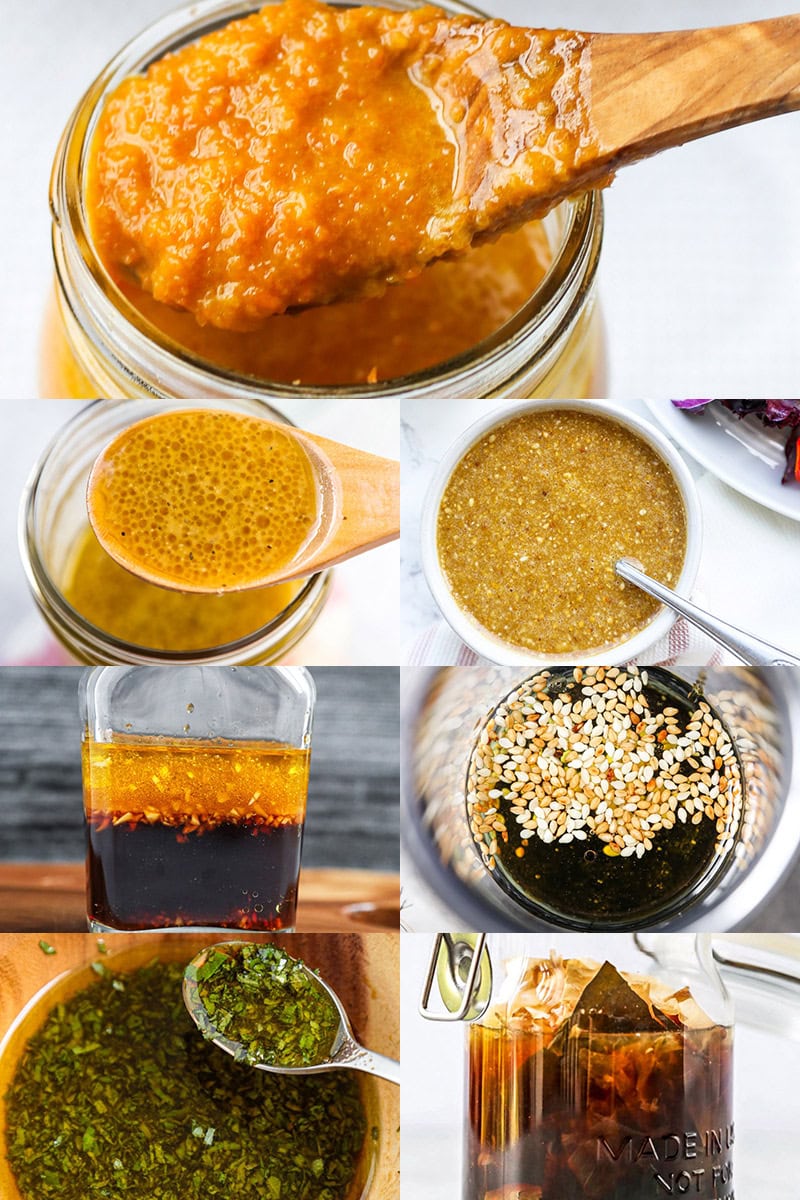
This guide breaks down the most popular Japanese salad dressings, the ingredients they rely on, and how they’re traditionally used. Whether you’re new to Japanese cooking or looking to recreate restaurant-style flavors at home, this page will help you understand what makes these dressings so distinctive.
Japanese salad dressings are light, savory, and deeply flavorful, often built around a balance of umami, acidity, and subtle sweetness. This post will walk you through the different types of dressings that are most often used in Japan.
Table of contents
- What Makes Japanese Salad Dressings Different
- Core Ingredients Used in Japanese Dressings
- Popular Types of Japanese Salad Dressings
- Homemade vs Store-Bought Japanese Dressings
- How to Use Japanese Dressings Beyond Salads
- Tips for Making Japanese Dressings at Home (and Variations)
- Frequently Asked Questions
What Makes Japanese Salad Dressings Different
Japanese dressings tend to share a few defining characteristics:
- Umami-forward flavors from soy sauce, miso, or sesame.
- Lighter textures, often emulsified with minimal oil.
- Balanced acidity, usually from rice vinegar or citrus.
- Versatility. They work well on salads, cold noodles such as hiyashi chuka, chilled tofu like hiyayakko, as a dressing for raw seafood, as a flavor booster for grilled vegetables, and so much more.
Instead of relying on heavy cream or large amounts of oil, Japanese dressings focus on layering flavor through fermented ingredients and/or aromatics.

Core Ingredients Used in Japanese Dressings
Many Japanese salad dressings start with the same pantry staples, combined in different ratios:
- Soy sauce. Adds saltiness, umami,and earthiness.
- Rice vinegar. Adds tanginess, a little sweetness and fruitiness.
- Sesame oil. Adds nuttiness.
- Toasted sesame seeds. Adds nuttiness and a crunchy texture.
- Sugar or mirin. For sweetness and depth of flavor.
- Fresh ginger or garlic. To infuse some aromatics, a little heat, and a floral element.
- Miso paste. To add earthiness, umami, saltiness, and depth of flavor.
Understanding these base ingredients makes it easy to recognize patterns across different dressings and adjust them to your liking.
Popular Types of Japanese Salad Dressings
Below are the most common Japanese dressings you’ll find in home kitchens and Japanese restaurants.
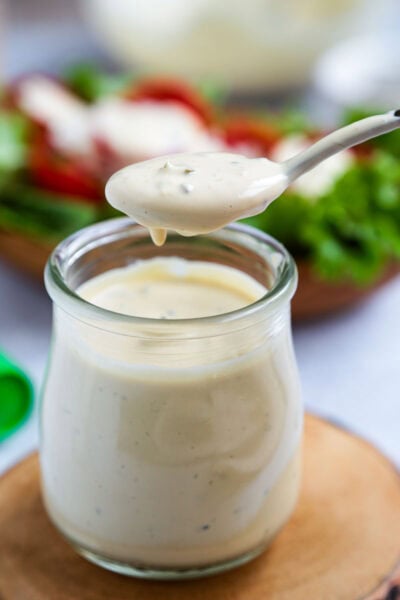
Carrot Ginger Dressing

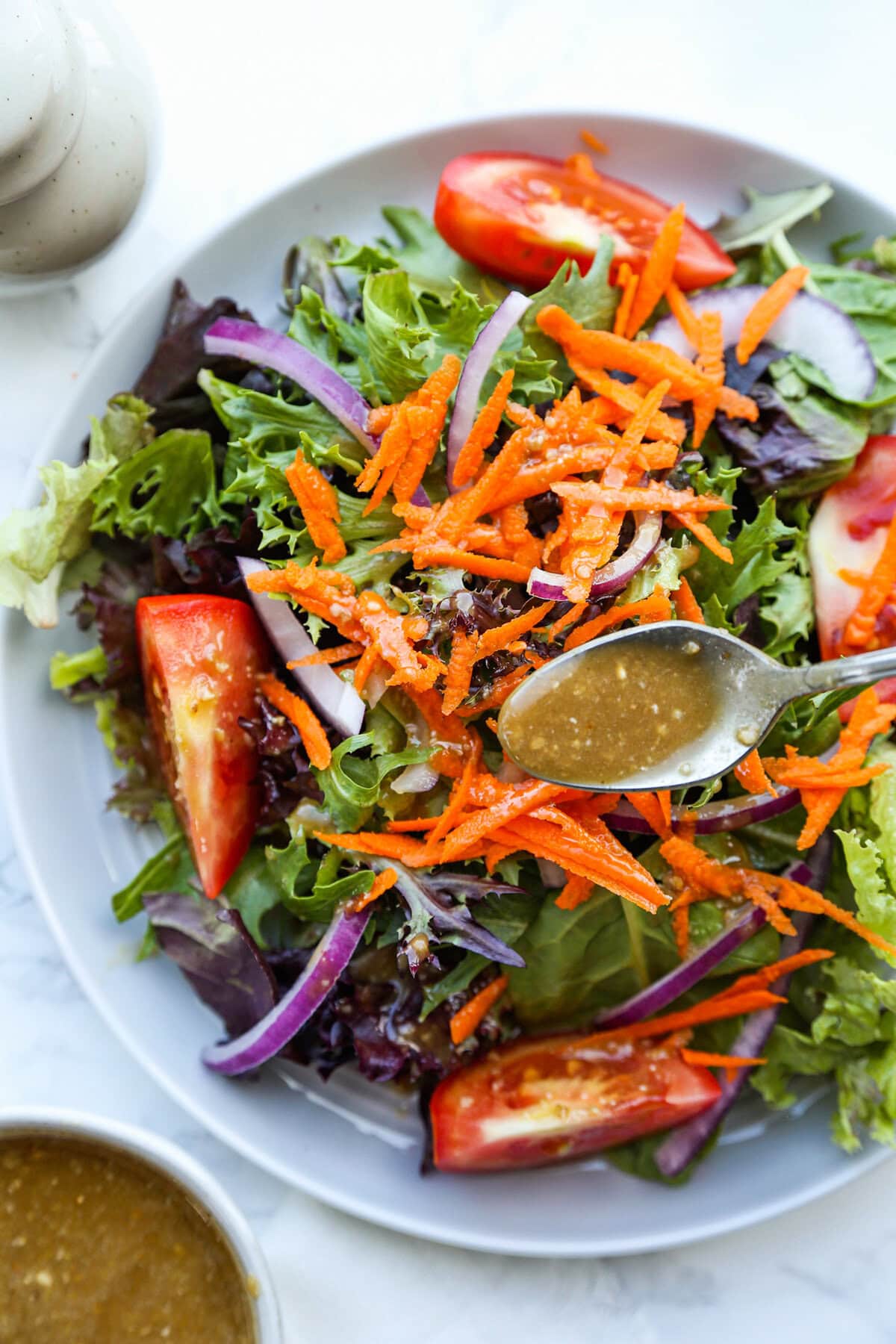
Japanese carrot ginger dressing is probably the most recognizable restaurant-style dressing in Japan and abroad. It’s bright, savory, and sweet, with a kick coming from freshly grated ginger.
Pairs well with:
- Iceberg or mixed greens
- Tomato salads
- Shredded cabbage
Grab the recipe for carrot ginger dressing here.
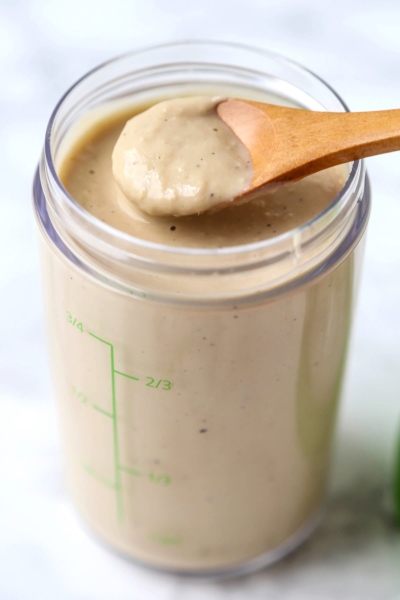
Sesame Dressing (Goma Dressing)
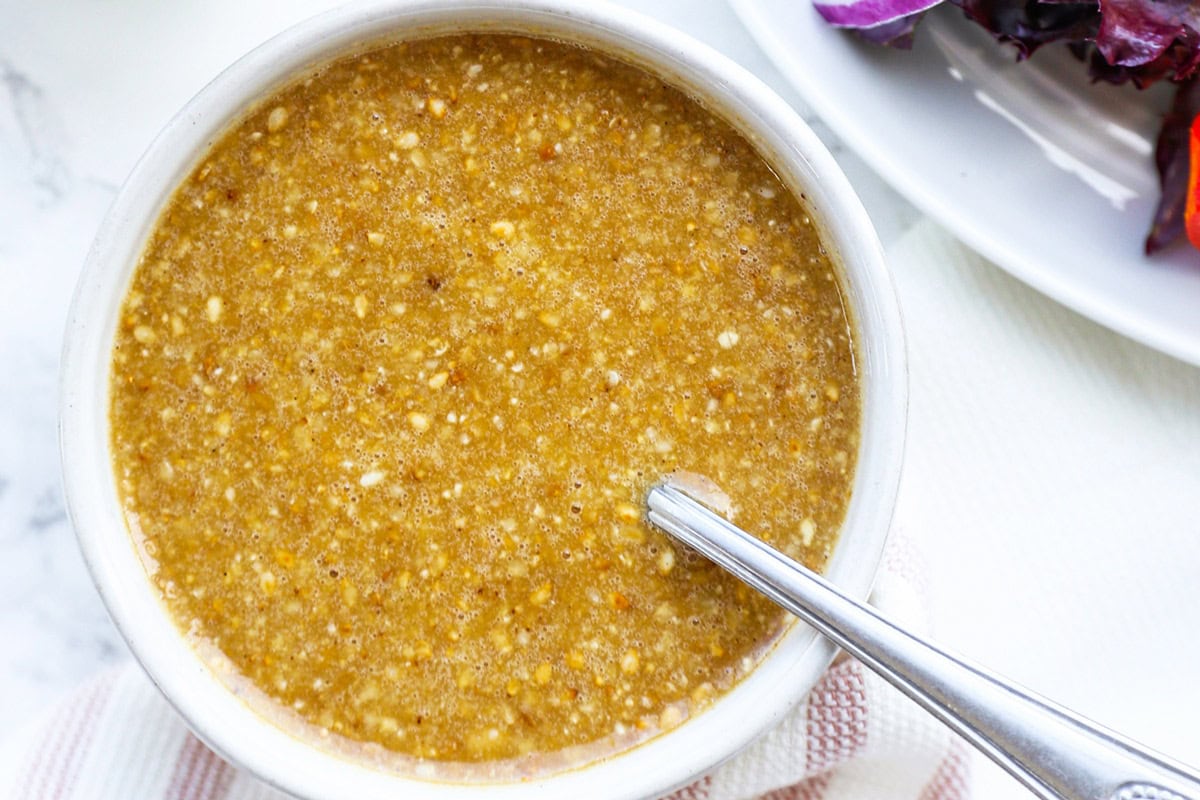
Creamy yet nutty, sesame dressing is rich without feeling heavy. It’s made with toasted sesame seeds and often includes soy sauce and sugar for balance.
Pairs well with:
- Steamed vegetables
- Spinach salads
- Cold noodle salads
Grab the recipe for sesame dressing here.
Wafu Dressing (Japanese-Style)
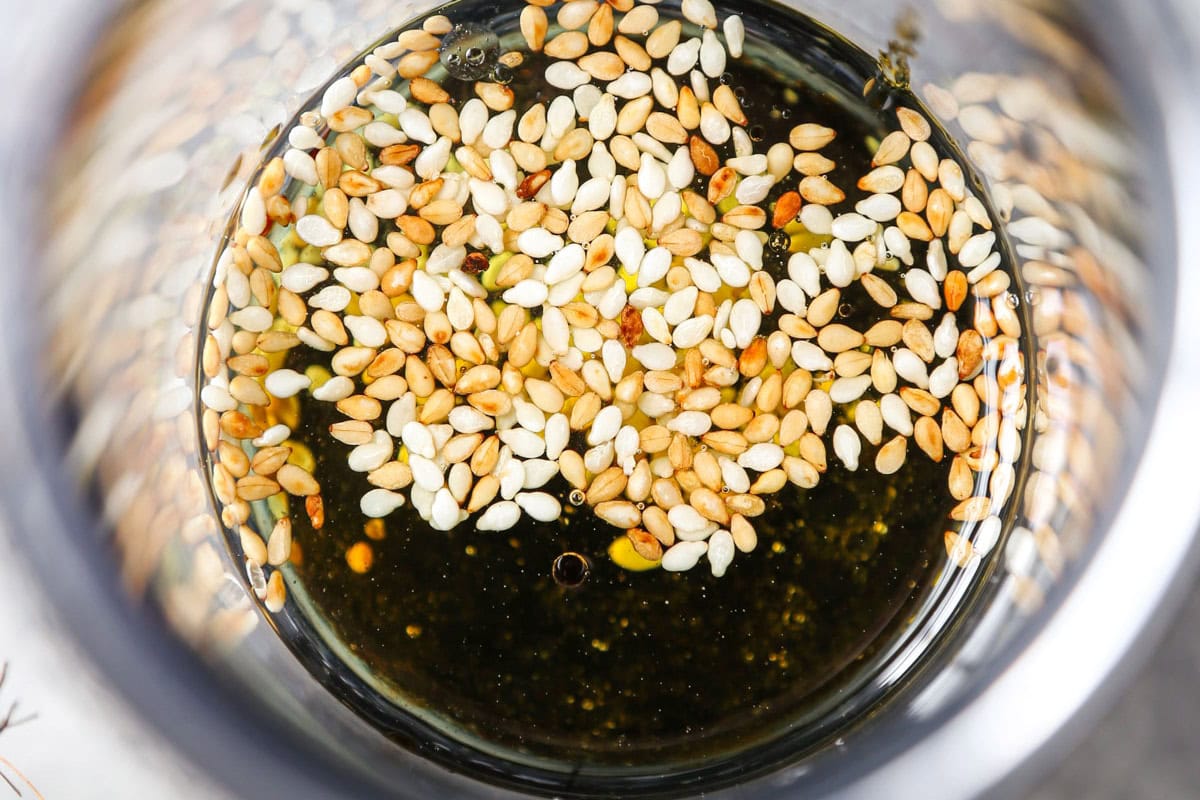
The basics of a wafu dressing, or Japanese-style dressing, consists of three main ingredients: soy sauce, rice vinegar, and sugar or mirin. These three ingredients combined together create the perfect balance of umami, savory and sweet.
Pairs well with:
- Leafy greens
- Grilled vegetables
- Cold tofu
- Chilled noodles
- Pot stickers (can be used instead of a dumpling sauce)
Grab the recipe for wafu dressing here.
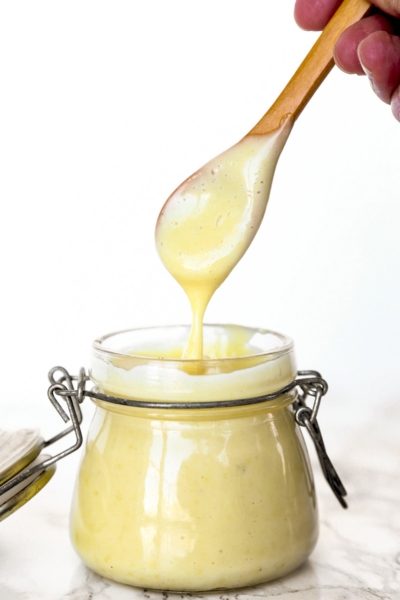
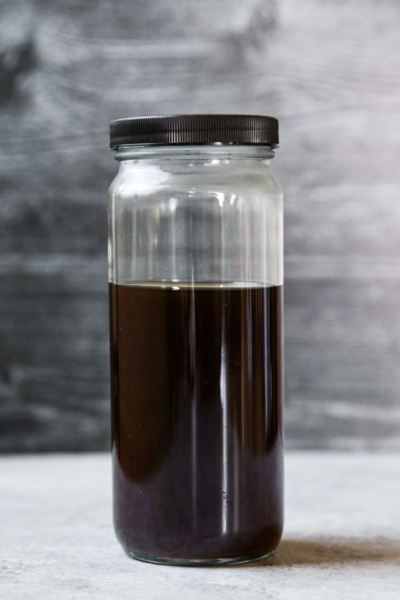
Garlic Soy Dressing
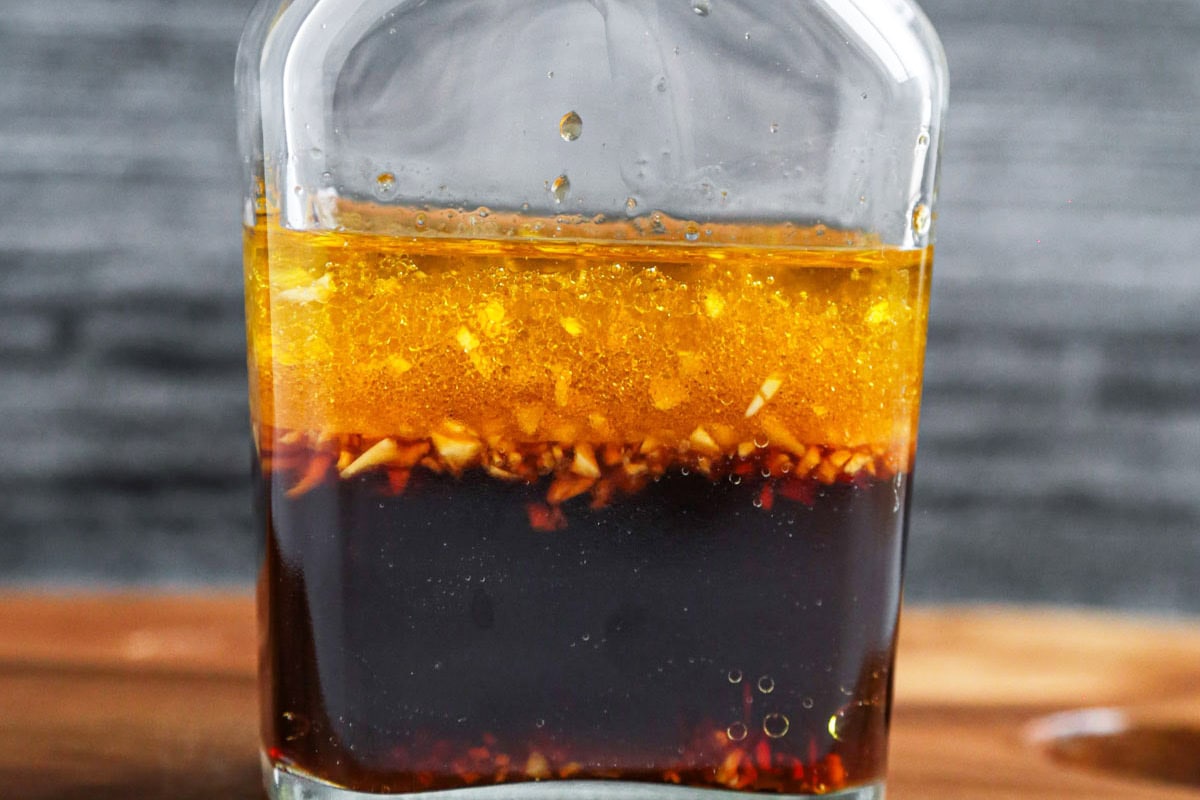
Garlic soy dressing is bold and savory, combining soy sauce, garlic, and oil for a deeply aromatic flavor. It’s less sweet than other dressings and works well beyond salads.
Pairs well with:
- Leafy greens
- Grilled vegetables
- Cold tofu
Grab the recipe for garlic soy dressing here.
Shiso Dressing
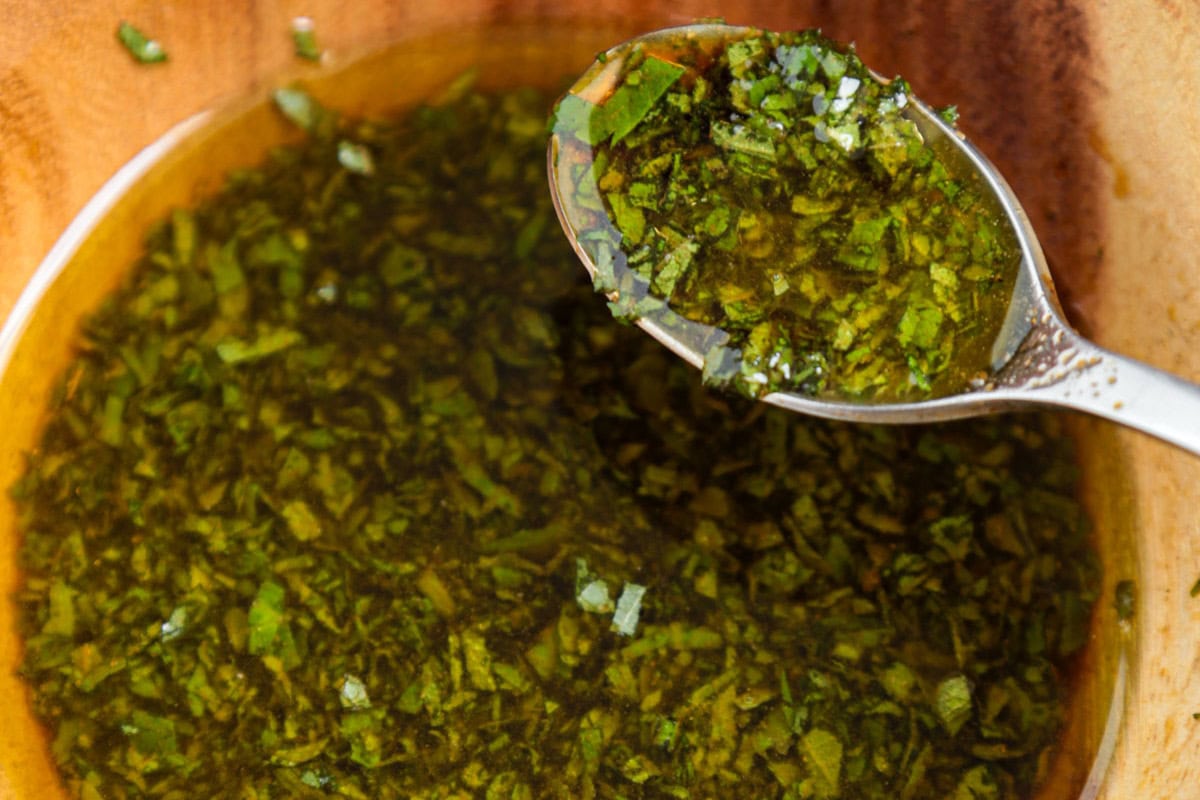
Shiso dressing is a very popular choice of salad dressing in Japan, known for its fruity, tangy, and licorice-like taste. The fresh shiso leaves are either finely chopped or blended with the classic combination of soy sauce, rice vinegar, and sugar.
Pairs well with:
- Grilled vegetables, seafood, and meats such as beef yakitori
- Leafy greens
- Tofu
- Pasta
Grab the recipe for shiso dressing here.
Miso Based Dressings
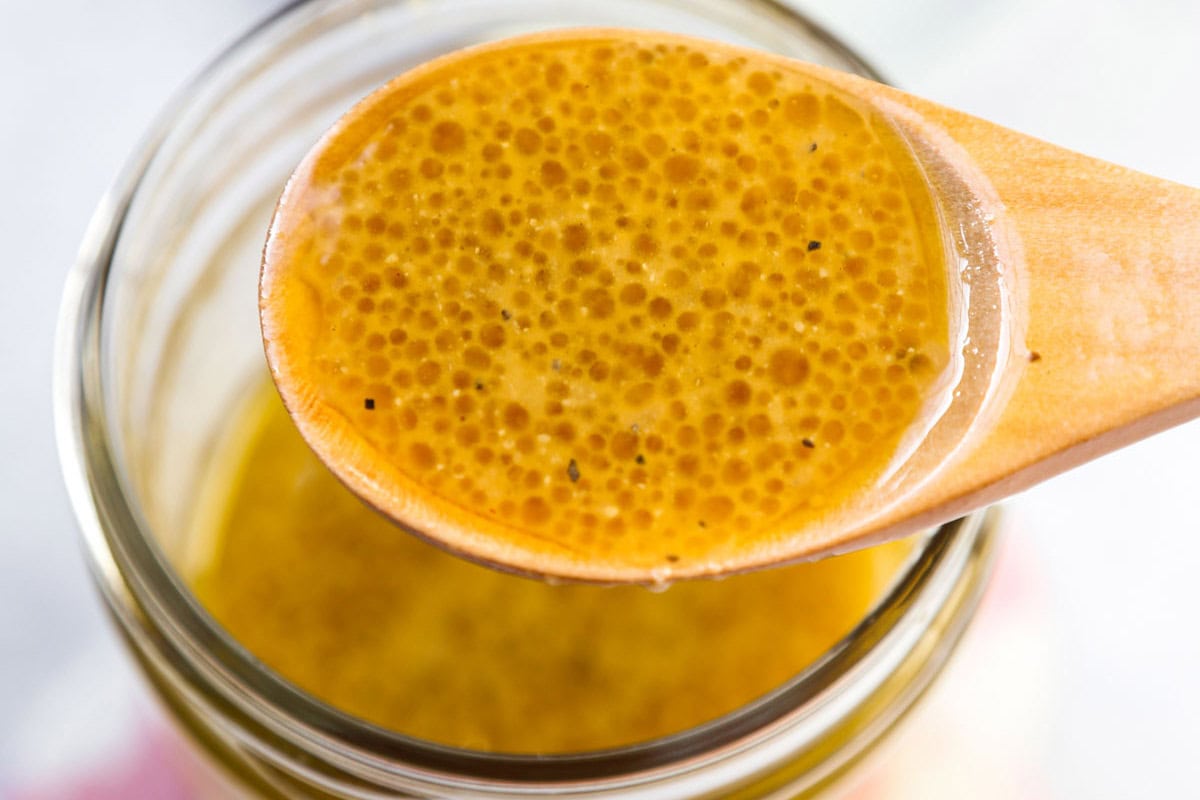
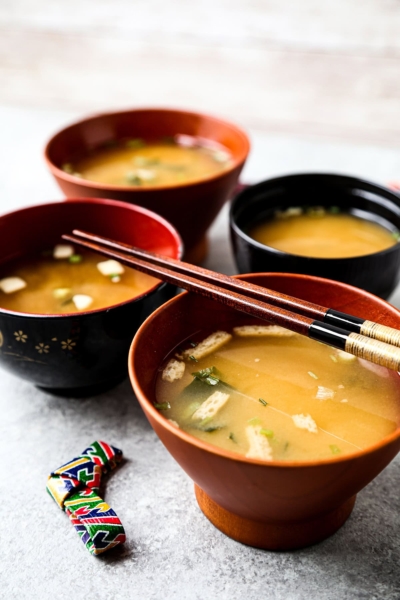
Miso dressings range from light and tangy to rich and savory depending on the type of miso used. White miso paste is most commonly used because of its mild, sweet and earthy taste, and is the least salty. Miso is also a key ingredient in traditional Japanese cooking, including dishes like Japanese miso soup, where its depth of flavor really shines.
Pair well with:
- Hearty greens
- Roasted vegetables
- Grain bowls such as a this spicy tofu quinoa bowl
Grab the recipe for miso dressing here.
Citrus Based Dressings
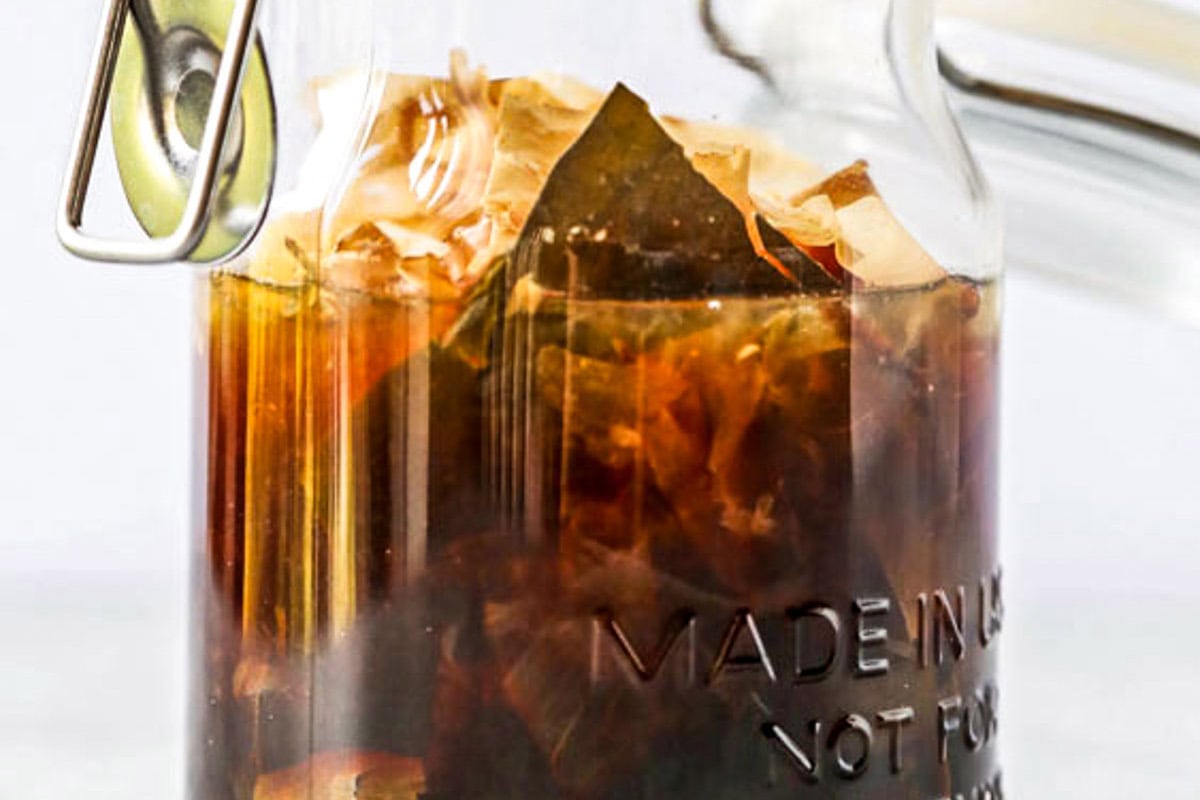
Citrus dressings use fruits like yuzu, kabosu, sudachi, or shikuwasa to add sourness, fruitiness and an element of freshness. The combination of sour fruit, soy sauce, rice vinegar, dashi, and sometimes sugar, create a bright, refreshing flavor profile. These are especially popular during warmer months.
Pairs well with:
- Simple green salads
- Seaweed salads
- Cold noodles
Grab the recipe for homemade ponzu here.
Homemade vs Store-Bought Japanese Dressings
Japanese grocery stores carry many bottled dressings, especially sesame and ginger varieties. While convenient, homemade dressings allow you to:
- Control the amount of salt and sugar added
- Adjust the taste until it matches your palate
- Avoid the use of refined oils, preservatives, and artificial colors
Most Japanese dressings can be made in under 5 minutes with common Japanese pantry ingredients, making them easy and accessible.
How to Use Japanese Dressings Beyond Salads
Japanese dressings are incredibly versatile and often used outside of salads:
- As a light and refreshing sauce for chilled vegetables or proteins.
- Drizzled over steamed or roasted vegetables.
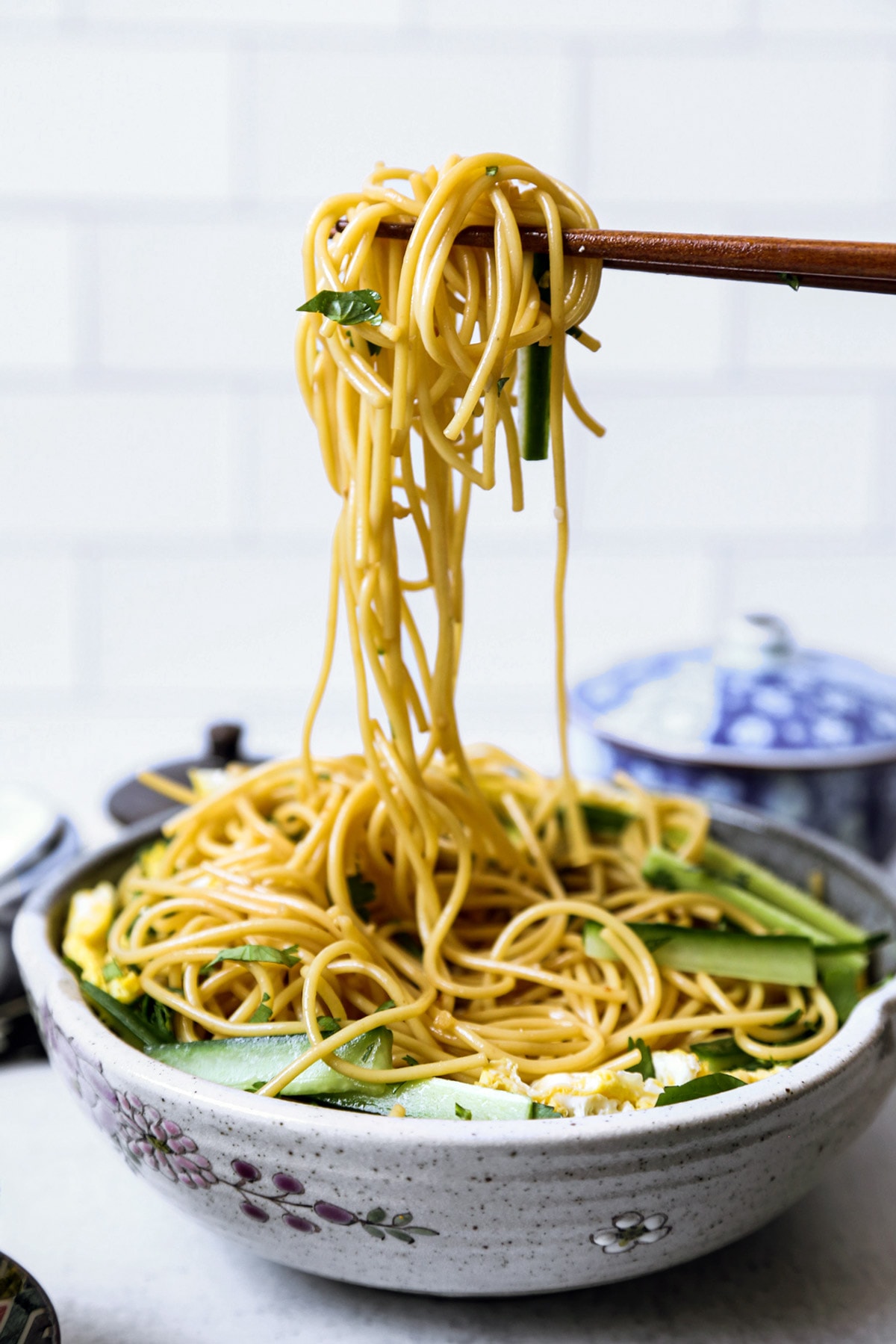
- Tossed with cold noodles such as soba, or as a sauce for healthy grain bowls or rice bowls.
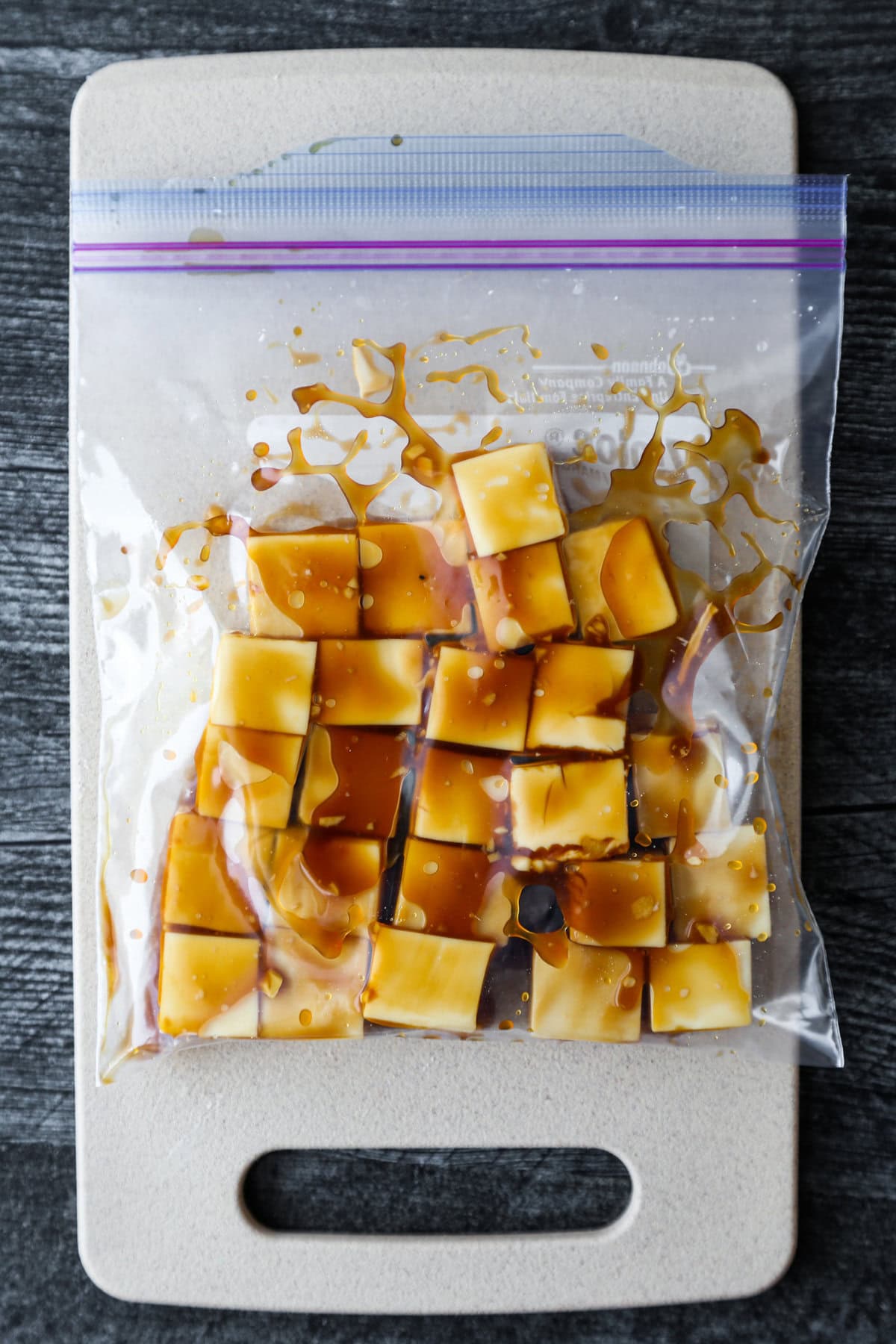
- As a marinade for light proteins such as tofu or seafood, like this tekka don or tuna tartare.
- As a dipping sauce for kebabs, dumplings, cold seafood and poached chicken.
Thinking of them as multi-purpose sauces rather than just salad dressings helps get more use out of each recipe.
Tips for Making Japanese Dressings at Home (and Variations)
- Start with small amounts of sugar and adjust upward until you are satisfied with the taste. I prefer my dressings to be on the savory side but others may like it better on the sweeter side.
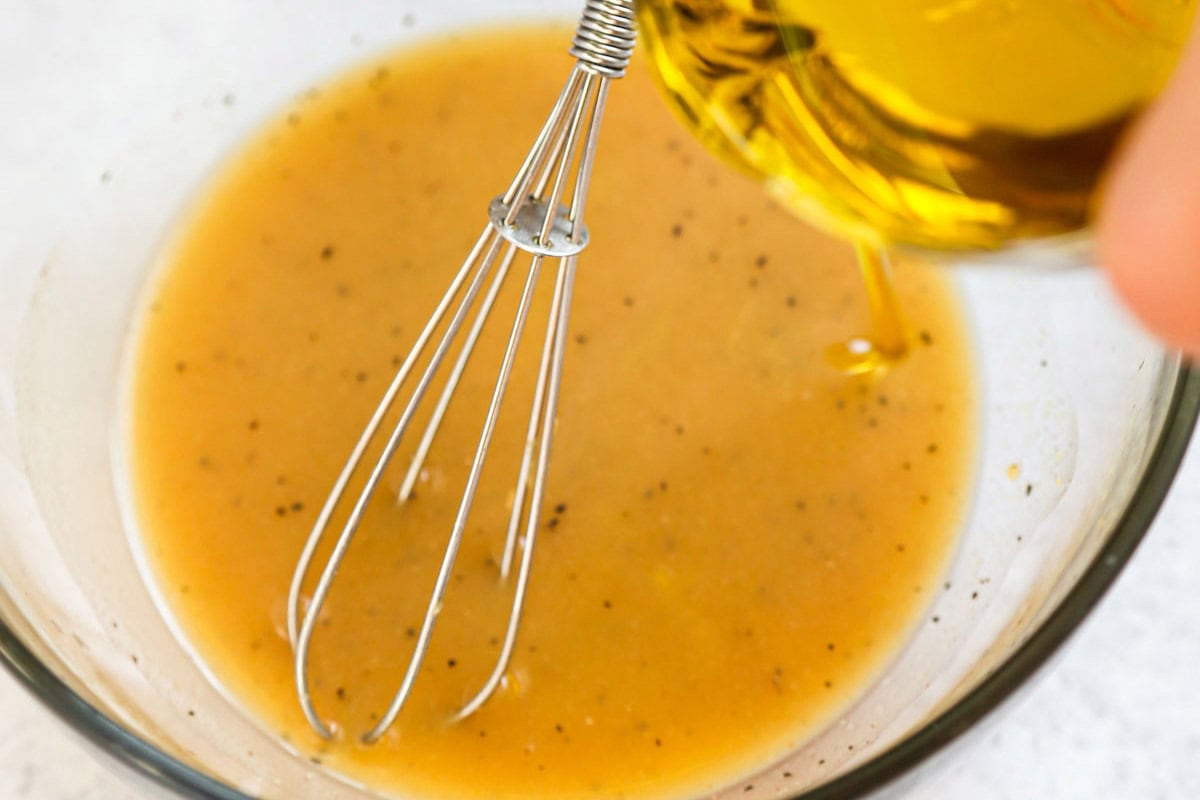
- Use neutral oils to avoid overpowering flavors. Start with neutral oils and you can play around once you are more familiar with the ingredients. I love using high quality olive oil these days as it adds even more fruitiness and a little spice.
- Grate fresh ginger and garlic for best results. Mincing also works but can be overpowering at times. Grating is easier to mix so the flavor is spread out evenly.
- For a less salty version, swap half the soy sauce for low-sodium soy sauce.
- For a tangier taste, squeeze a little citrus like lemon or yuzu.
Most dressings keep well in the refrigerator for several days.
Frequently Asked Questions
Many Japanese dressings are lighter than creamy Western dressings, but sodium levels can vary depending on soy sauce and miso used.
Some are, but many contain soy sauce. Gluten-free soy sauce can be substituted easily.
Yes. Most can be prepared in advance and stored in the refrigerator for up to a week.
Carrot ginger dressing, ginger dressing, and sesame dressing are the most commonly served in restaurants.