Caroline’s Favorite Cooking Tools
MY DIGITAL PRODUCTS
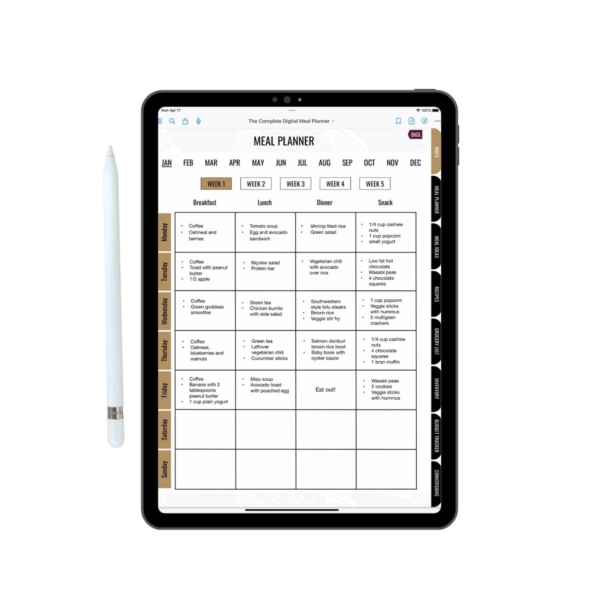
The Complete Digital Meal Planner
A comprehensive tool designed to simplify meal planning. It features 838 pages of resources including a weekly meal planner, recipe book, budget tracker, grocery list, and conversion charts. Aimed at enhancing the cooking experience, it helps users organize their meals efficiently, save money, and enjoy healthier dining options.

The Guide to Mindful Eating
The Mindful Eating Guide will teach you easy techniques to master the practice for long-term weight loss and a happier mind. This guide contains easy-to-follow instructions on how to integrate the practice into your everyday life without being overwhelming.
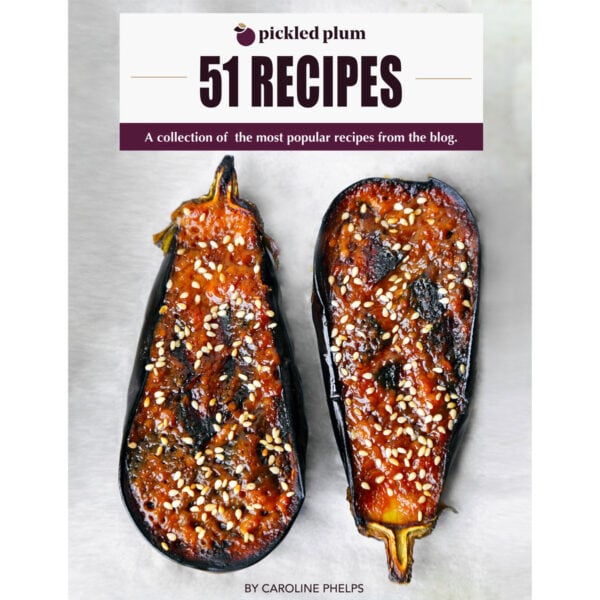
51 RECIPES (Ecookbook)
Pickled Plum’s 51 most popular recipes along with 7 new recipes, tips and tricks on how to cook healthier meals and be more efficient in the kitchen.
Kitchen Appliances
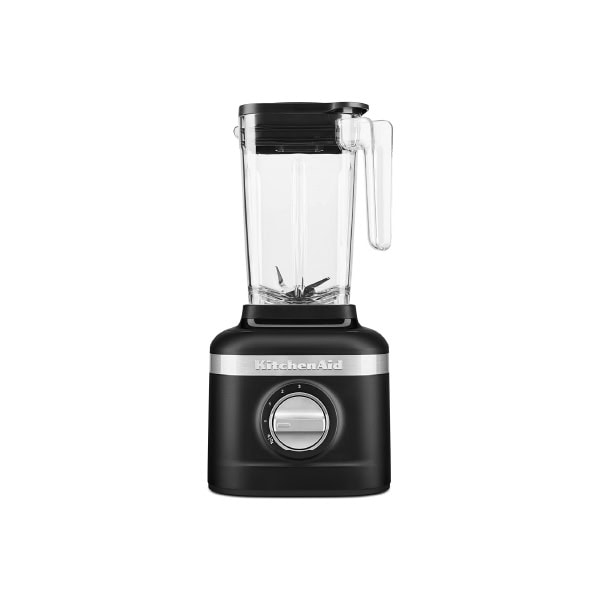
KitchenAid
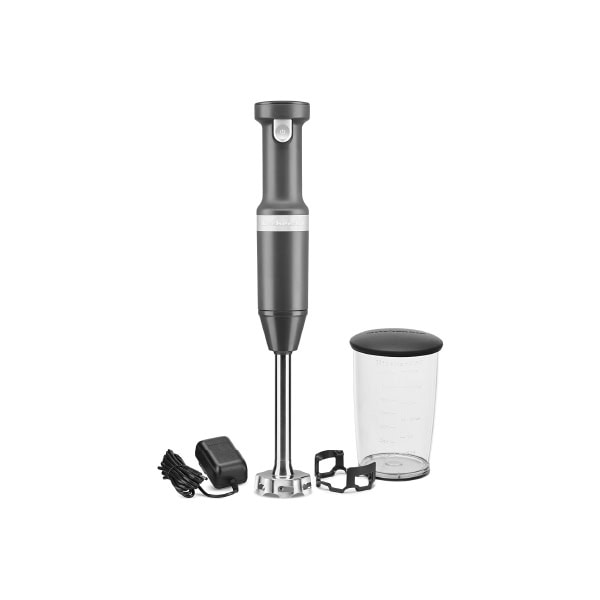
Cordless Hand Blender
Being able to blend soups and sauces straight from the pot they were cooked in cuts downs on cleaning time. When it comes to handling hot liquids, I prefer to do the blending in a pot rather than in a blender to avoid dangerous splatters. And the fact that this hand blender is cordless makes it even safer to use.
Buy Now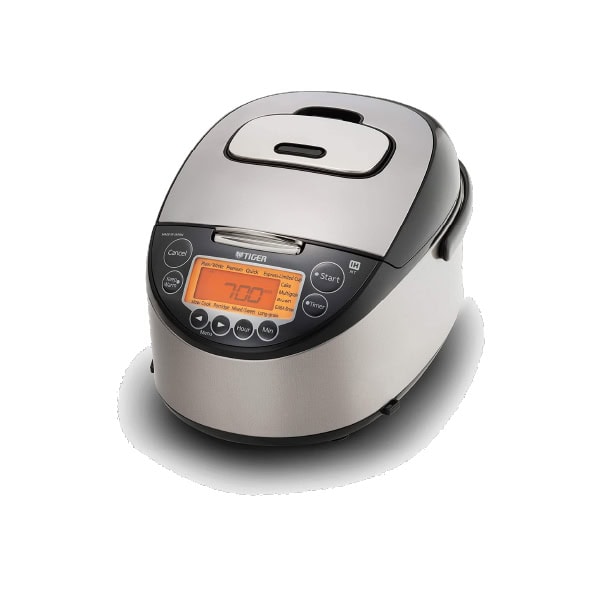
Tiger Corporation
Rice Cooker
I used to cook rice on the stove so I know what it’s like to hope for a good pot of rice. With a rice cooker though, you simply cannot fail at making rice. The machine does all the thinking and cooking for you and what you end up with is perfectly cooked rice every single time. This rice cooker can cook white, brown, and multigrain rice. And it also has a slow cooker function that I use all the time to make soups and stews.
Buy Now

MY AMAZON STORE
VISIT MY SHOPPantry Essentials
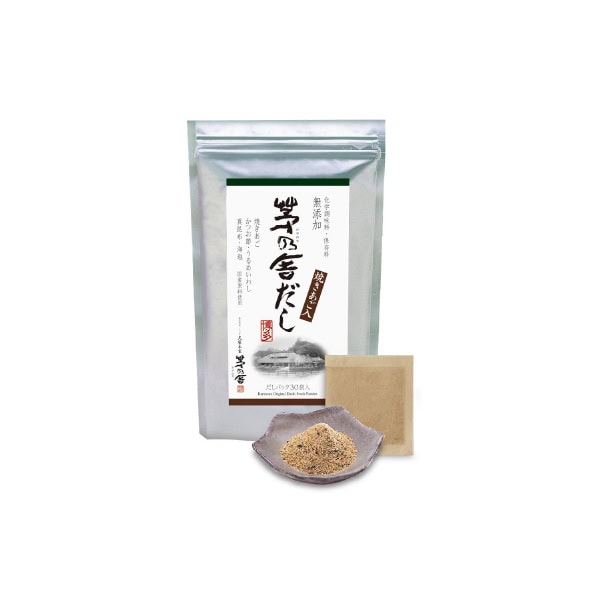
Kayanoya
Dashi Powder
A few years ago, my mother mailed me a care package from Japan that contained this dashi powder. I instantly fell in love with its pure taste – you would think it was freshly made that morning. And I have to admit that I was shocked when I saw it being sold on Amazon! That’s a good though since I use this dashi powder for soups, stir fries, sauces, and so much more.
Buy Now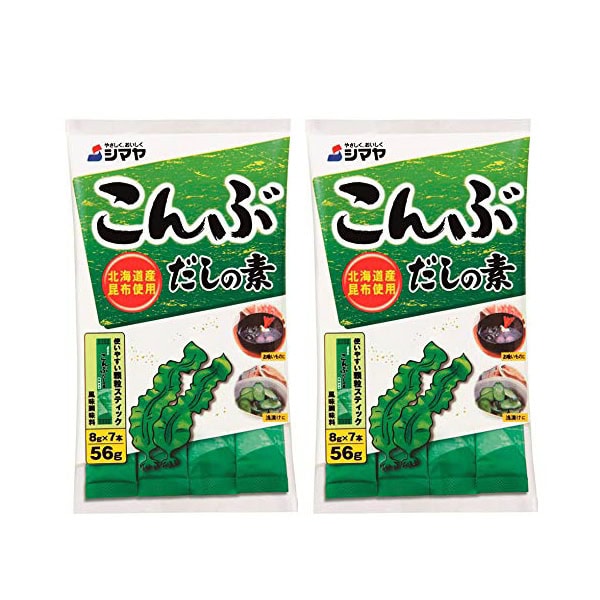
Shimaya
Kombu Dashi Powder
I always have regular dashi and kombu dashi powder in my pantry. This kombu dashi is vegetarian and has a lovely mineral taste that’s almost refreshing. Sometimes I like to mix both dashi to get a more complex broth, which is something many Japanese chefs like to do.
Buy Now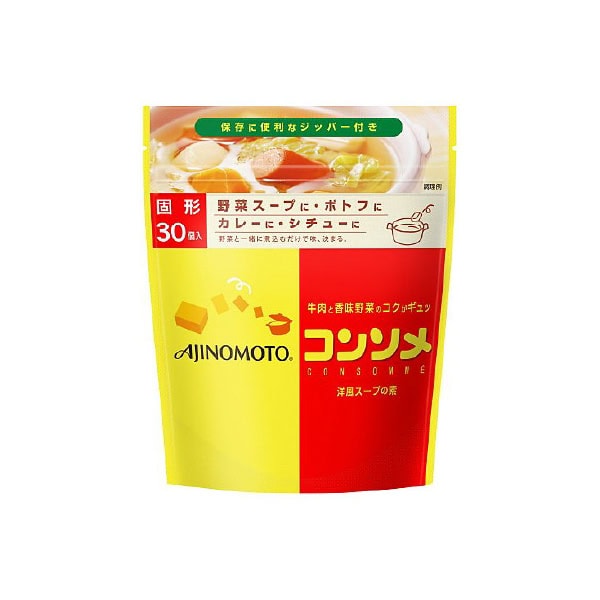
Ajinomoto
Consomme
I’ve been using these stock cubes ever since I lived in Tokyo, over 20 years ago. They taste like chicken stock with some vegetables – and are kind of essential if you are making Japanese soups and stews. Perhaps it’s because they contain msg that they are so good – but I’m not interested in figuring out the secret. I only want to keep slurping that delicious broth!
Buy Now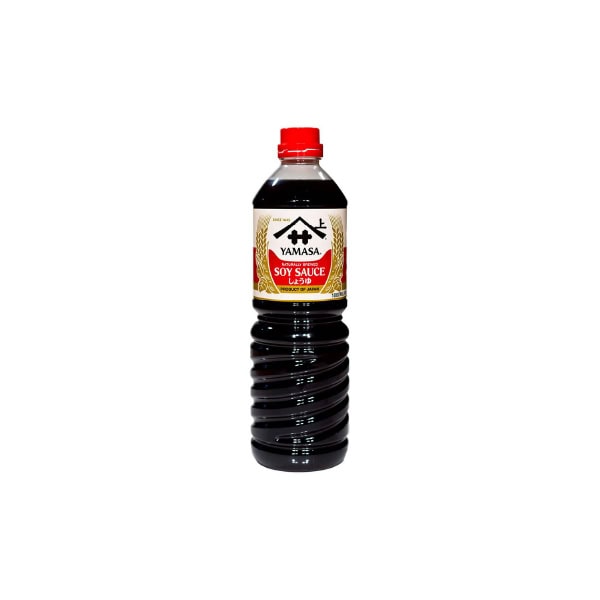
Yamasa
Soy Sauce
I prefer using Japanese soy sauce in my cooking to other types because it’s milder and has a flavor that easily pairs well with any dish. Kikkoman is the most well known soy sauce but I prefer using Yamasa for its slightly less salty taste. Plus, it’s the brand that my mother has been using for years – and I trust her palate almost more than my own!
Buy Now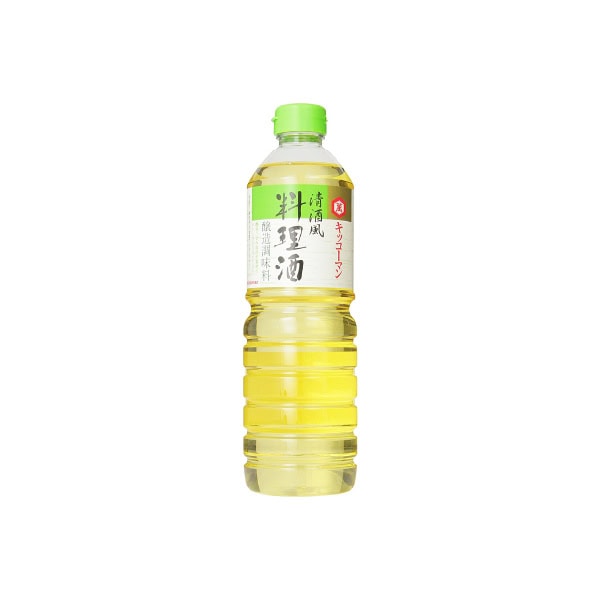
Kikkoman
Cooking Sake
Junmai sake is the recommended sake for cooking Japanese food as it has a pleasant flavor when served warm. If you cannot find it, you can try regular sake or Kikkoman Riyorishi Cooking Sake.
Buy Now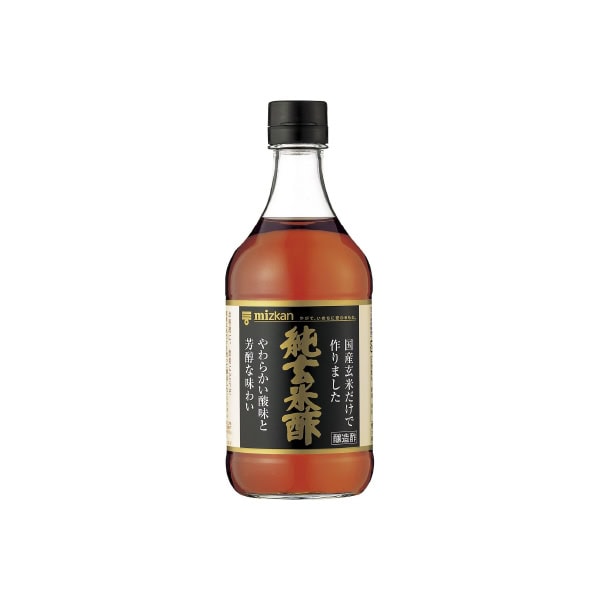
Mizkan
Rice Vinegar
My two favorite brands of rice vinegar are Nakano and Mizkan. This pure unpolished brown rice vinegar is absolutely delicious – it’s not as sharp as regular plain rice vinegar and contains fruity notes. It’s packed with subtle, yet, complex flavors.
Buy Now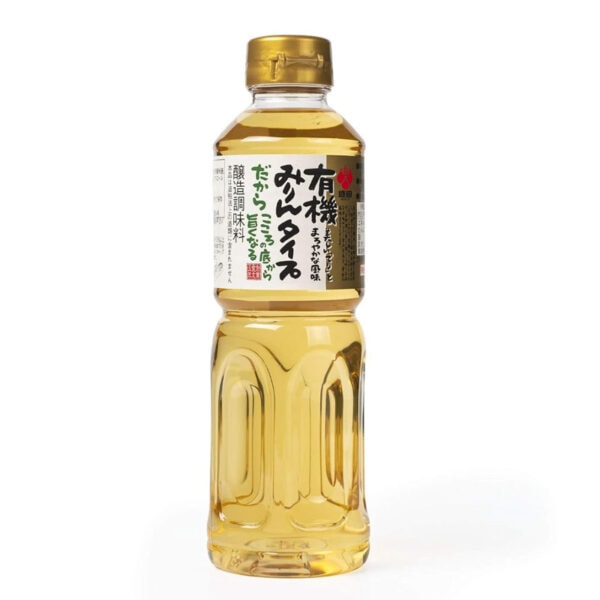
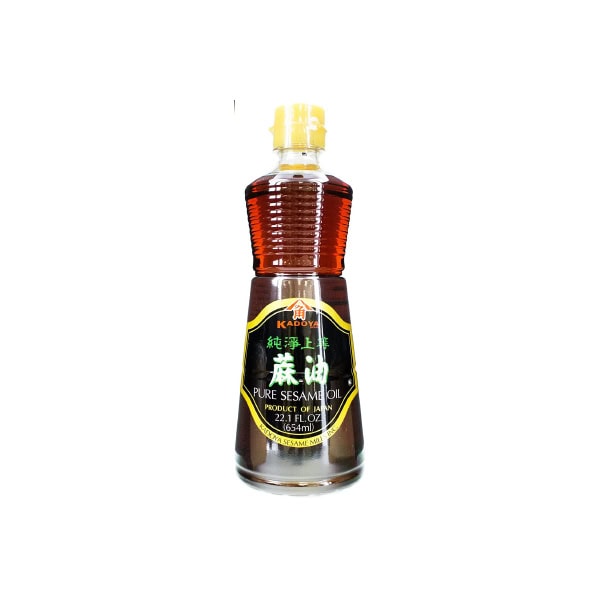
Kadoya
Roasted Sesame Oil
Fun fact – all Japanese sesame oils are roasted which is why you don’t see it written on the bottle. Roasted sesame oil has a concentrated nutty taste and should be used at the very end of the cooking process since the smoke point is lower than regular sesame oil. If you cook on too high for too long, the flavor will become rancid. It’s also a wonderful addition to soups, salads, and sides – drizzle a little on top just before serving.
Buy Now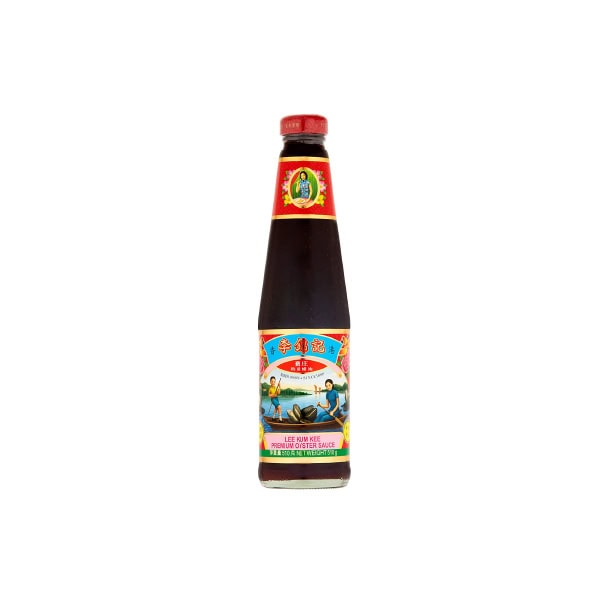
Lee Kum Kee
Oyster Sauce
The difference between good oyster sauce and bad oyster is like day and night. A good oyster sauce should be salty, sweet, pungent, and have so much depth of flavor that a little drizzle is all that’s needed. I have tried many different brands and Lee Kum Kee’s premium oyster sauce is far superior than all the other ones.
Buy Now
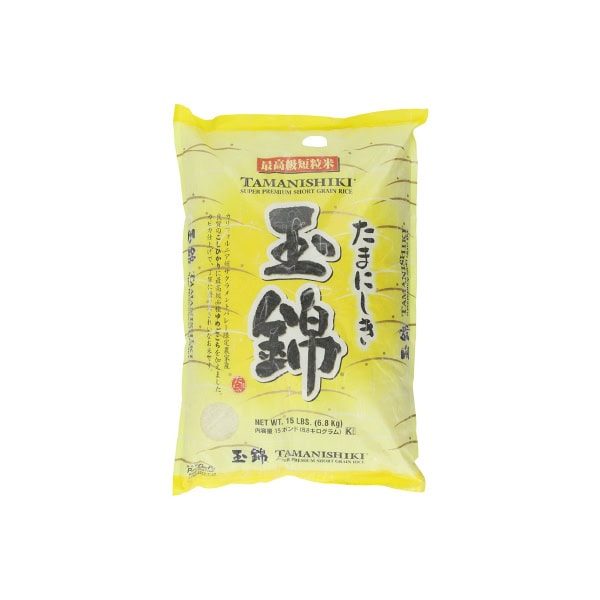
Tamanishiki
Koshihikari Rice
The only type of rice that should be used when making Japanese food is short grain rice. Most brands you find in Asian and regular supermarkets (Kokuho Rose, Nishiki, Botan) are medium grain rice, which yields a texture that’s tougher and less sticky. Less than ideal for making onigiri or sushi rolls. Tamanishiki is a super premium short grain rice that’s both affordable and extremely delicious. It’s the only brand I use.
Buy Now
FAVORITE TEAS AND TOOLS

KimiKura
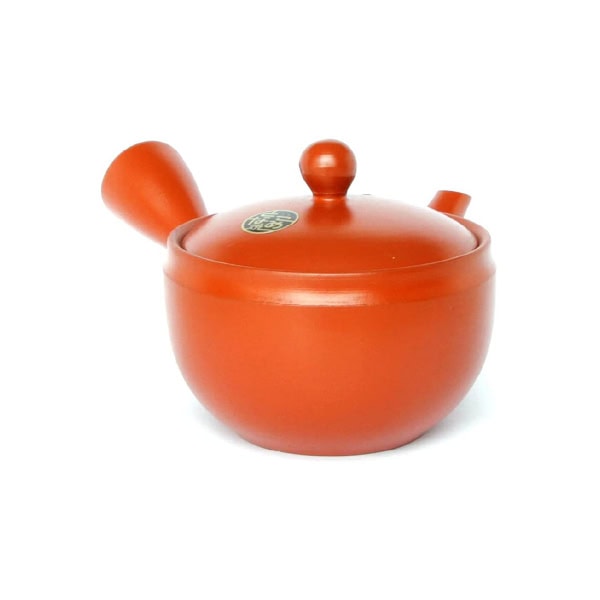
Japanese Teapot
I love this Japanese teapot because it’s small and made to only serve one. Also, the teapot comes with a filter located at the beginning of the spout, inside, which means I don’t have to use anything else to brew my tea.
Buy Now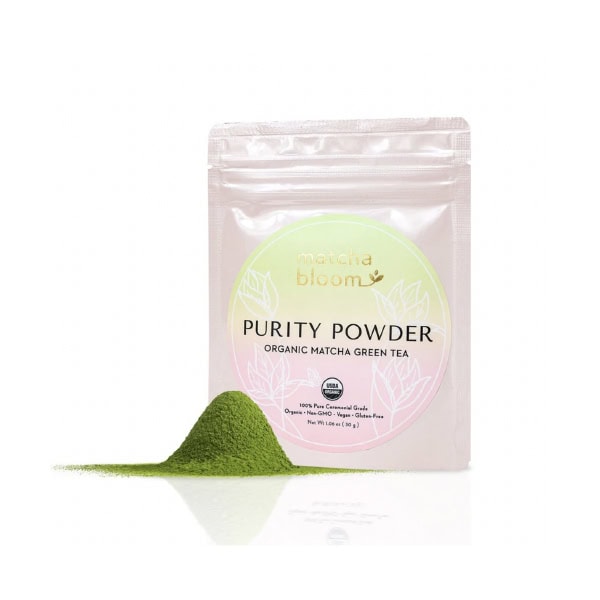
Matcha Bloom
Matcha
I have a cup of matcha everyday for my health but also because I’m addicted to the taste. I like it both iced and hot but the matcha powder must be mild and easy to drink. I love Matcha Bloom’s Purity Powder because it’s made with gyokuro green tea leaves, which go through a double-shading process to absorb more nutrients and amino acids than the classic tencha leaves used in most matcha powders.
Buy Now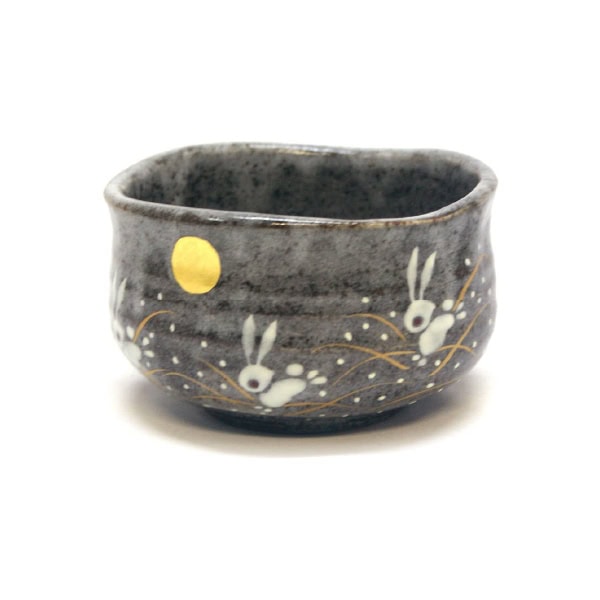
Fane
Matcha Bowl
If you like to elevate your tea time and drink a lot of matcha, then you may want to consider investing in a matcha bowl. The bowls are larger and more shallow than a regular mug in order to make the whisking process easier. Plus, they are so beautiful to look at and feel premium when holding one in your hands.
Buy Now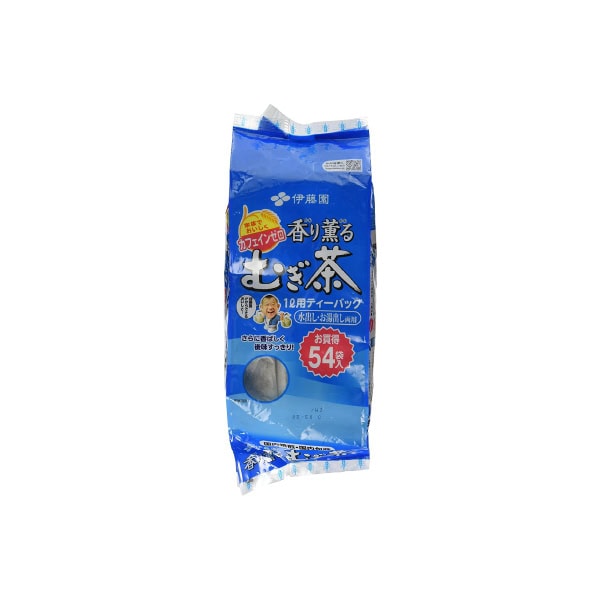
Ito-En
Mugicha
I probably drink more mugicha than water on a daily basis. I love the mild and nutty taste of this Japanese barley that’s also 100% caffeine-free. It’s refreshing and the golden color of the tea reminds me of lazy summer days spent at my grandparents house in Japan. Mugicha is also good for digestion, prevents tooth decay, and can protect against cancer and other diseases because of its high antioxidant properties.
Buy Now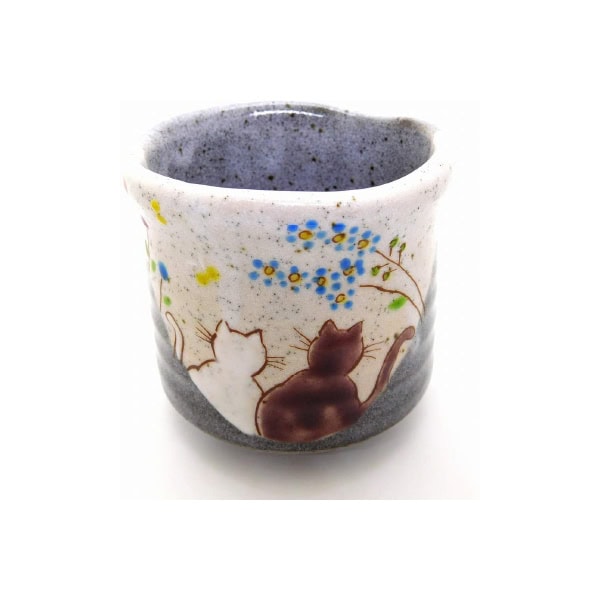
Kutani
Teacup
I love collecting tea cups since it makes me look forward to my afternoon tea. I have tea cups of all shapes and sizes that occupy two full cupboards. Kutani ware is a traditional Japanese pottery I particularly love – it’s thick and heavy so it feels nice and sturdy. And the fact that it has kitties on them makes it even better!
Buy Now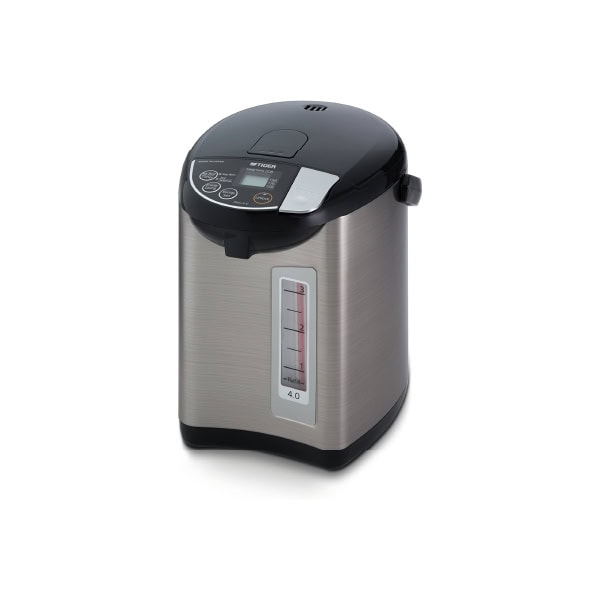
Tiger Corporation
Water Heater
Serious tea drinkers need a water heater. I refill mine daily because I use it so much. The water temperature can be set to very hot (for instant noodles) or hot enough for beverages. It’s also great for new mothers who constantly need to warm up bottles.
Buy Now