Japanese mayonnaise, commonly known as Kewpie mayo, is richer, creamier, and more savory than standard mayonnaise. Its distinctive flavor comes partly from using egg yolks instead of whole eggs and a more pronounced vinegar flavor. This homemade version recreates that creamy, tangy taste with simple ingredients.
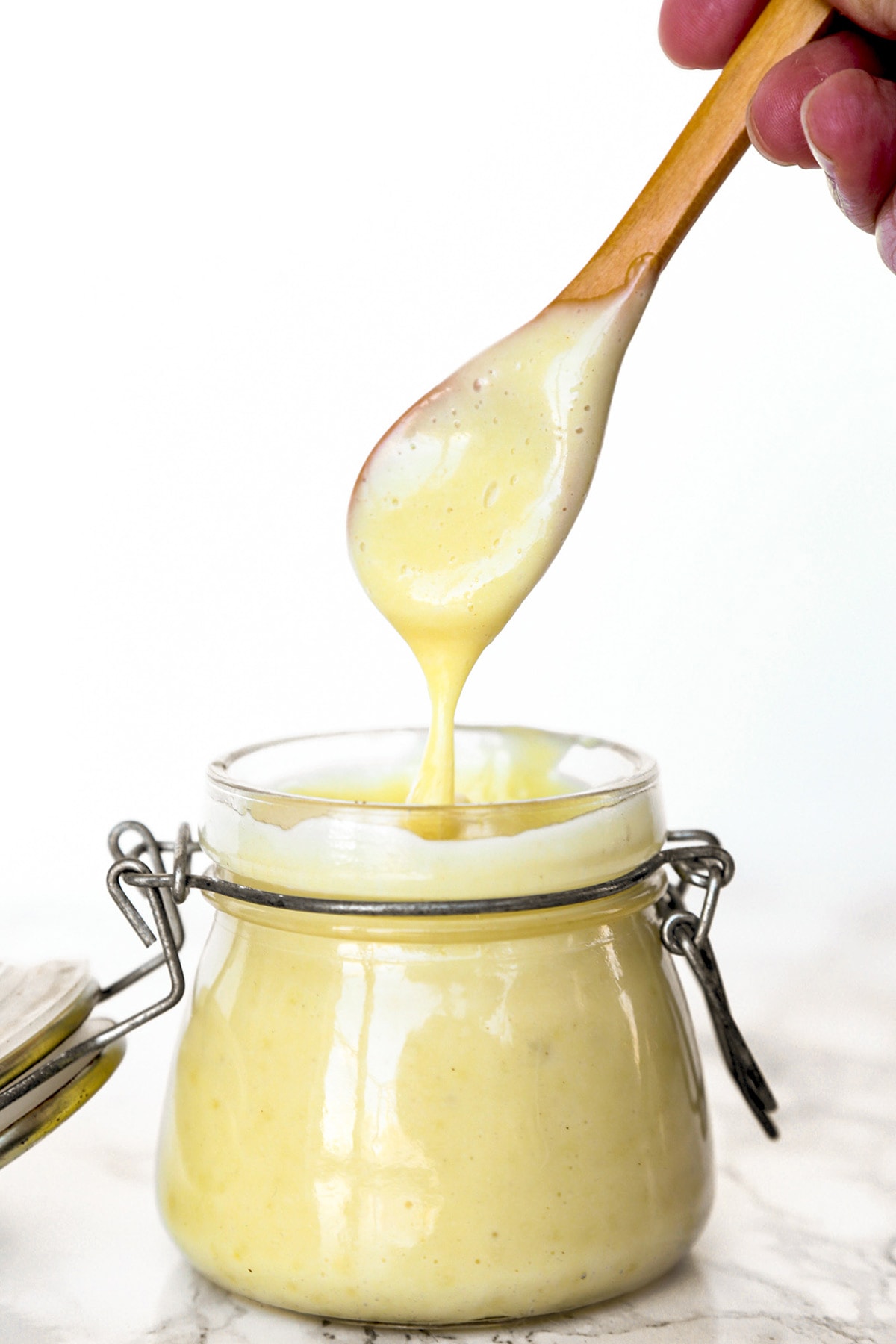
Kewpie mayonnaise is the mayonnaise I use most often here in Japan. It has a richer, more eggy flavor than regular mayonnaise, with a smooth texture and a noticeable savory tang that works especially well in Japanese dishes such as potato salad and tamago sando.
Kewpie was first sold in Japan in 1925 and was the country’s first commercially produced mayonnaise. One of the characteristics that still sets it apart is the use of egg yolks rather than whole eggs, which gives it more richness and umami. The company also uses its own vinegar blend to create its distinctive flavor.
This recipe gives you two ways to make Japanese-style mayonnaise at home: a from-scratch version made with egg yolks and oil, and a quick shortcut that starts with regular mayonnaise. Neither is meant to duplicate Kewpie’s commercial formula exactly, but both are easy ways to get a richer, tangier, more Japanese-style mayonnaise at home.
Table of contents
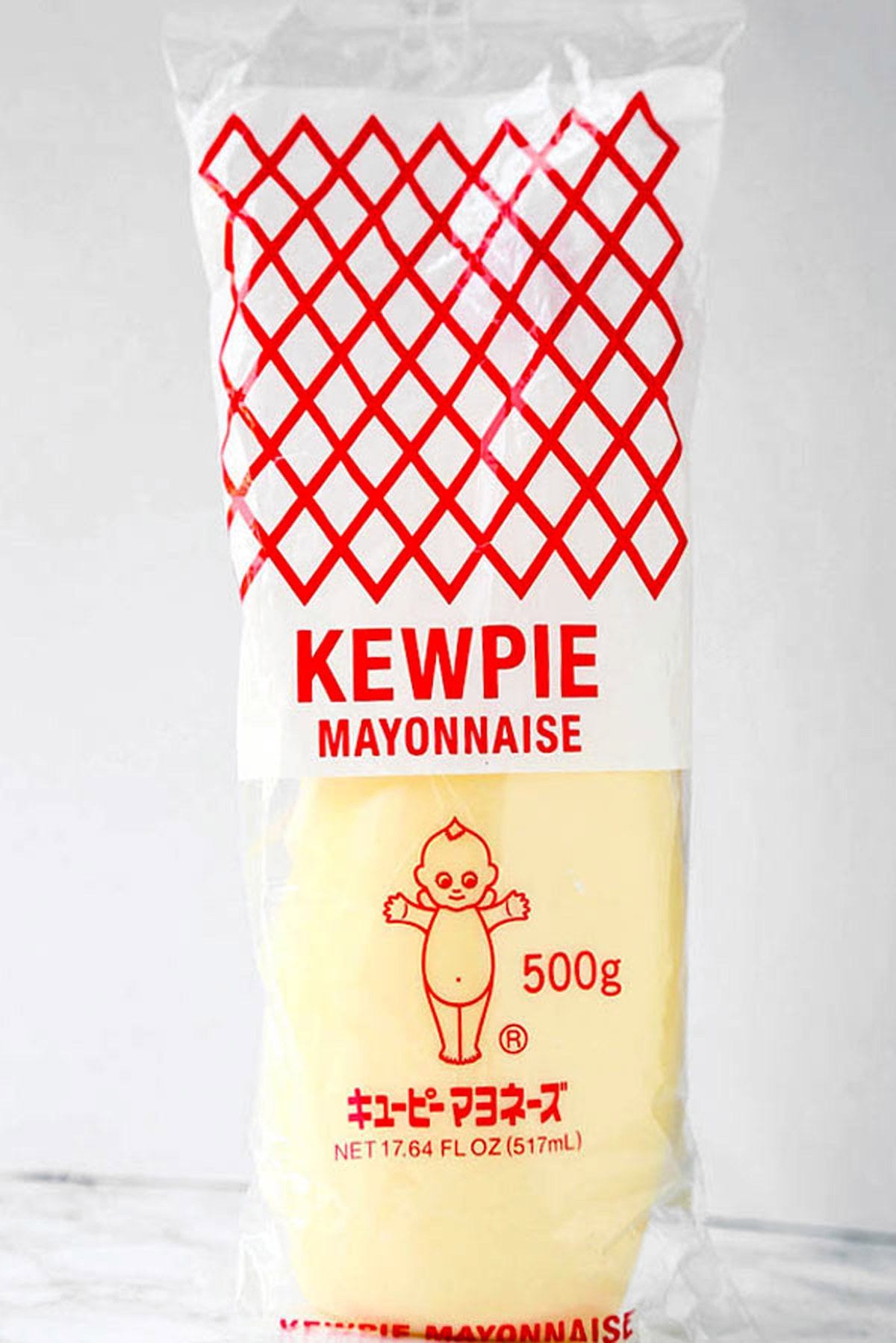
What is Japanese Mayo?
When people talk about Japanese mayonnaise, they are usually referring to Kewpie mayonnaise (キユーピーマヨネーズ), the Japanese brand sold in the familiar soft squeeze bottle with the Kewpie doll logo.
What Does it Taste Like?
Kewpie mayonnaise is rich, tangy, savory, and noticeably eggier than most standard American mayonnaise. It has a pale yellow color and a thick, creamy texture.
What’s the Difference Between Japanese Mayo and Regular Mayonnaise?
The biggest difference is the eggs.
Kewpie mayonnaise is made with egg yolks rather than whole eggs. This gives it a richer, creamier texture and a more pronounced egg flavor.
Kewpie also uses its own blend of vinegars, which gives the mayonnaise a sharper, more complex tang than many standard mayonnaises.
Regular mayonnaise varies by brand, but it is often milder and less eggy. That’s why swapping regular mayo for Kewpie can noticeably change simple dishes such as Japanese potato salad, egg sandwiches, and sauces where mayonnaise is one of the main flavors.
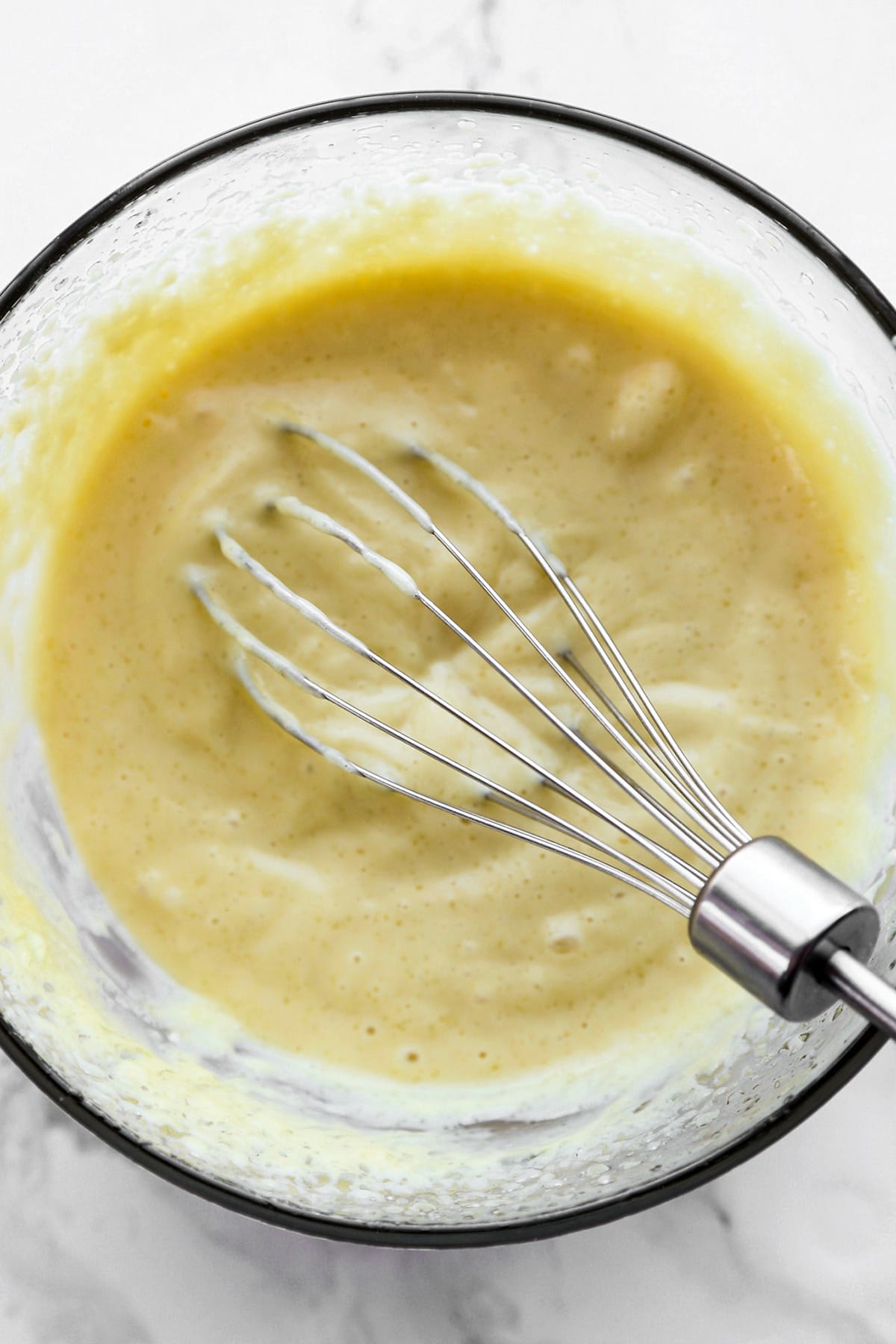
What I Buy in Japan
One thing I love about shopping for Kewpie mayonnaise in Japan is how many different versions there are. Besides the classic red-cap Kewpie, you can find varieties such as mustard mayo, lighter versions, egg-free mayo, and more premium versions made to emphasize the flavor of the eggs.
My favorite alternative is Kewpie Smoked Mayonnaise (燻製マヨネーズ). It has a noticeably smoky flavor but still tastes rich and creamy, so it adds a lot of flavor without needing extra seasoning. It’s spectacular with canned tuna!
I still use classic Kewpie for most recipes and will sometimes buy the lighter version if I am a bit more careful with calories.
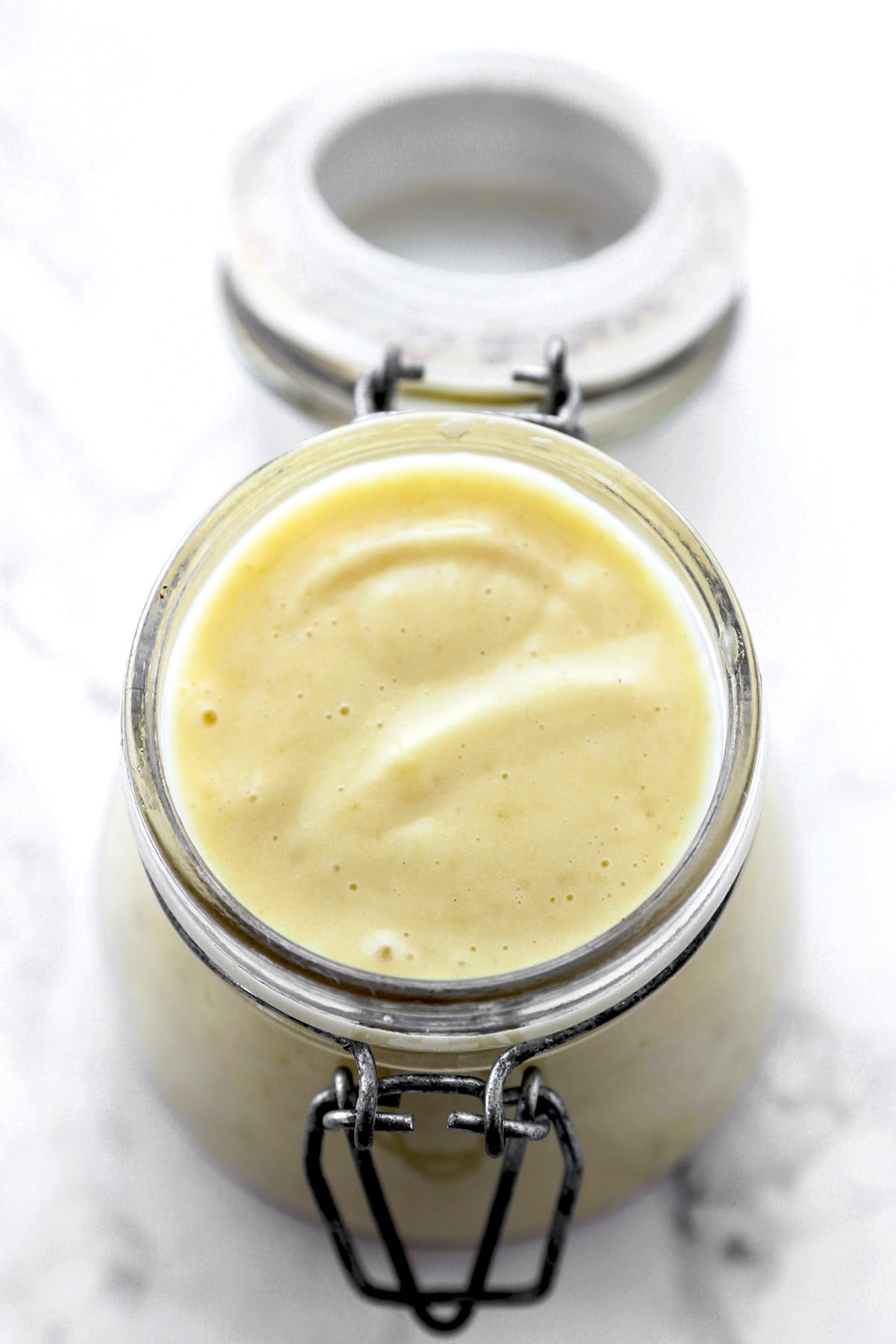
Ingredients for Homemade Japanese Mayo
- Egg yolks: Kewpie is known for using egg yolks rather than whole eggs, which contributes to its rich flavor and creamy texture. You will need two yolks for this recipe.
- Dashi powder: I’m using 1/4 teaspoon to add umami to the mayo but you are free to add more if you’d like it to be more funky. Don’t go overboard though! I suggest only adding a few more granules at a time since dashi powder is quite flavorful.
- Dijon mustard: 1 teaspoon of dijon mustard such a Maille, which is less spicy than brands such as Grey Poupon.
- Vinegar: 2 tablespoons of rice vinegar or apple cider vinegar for a fruity, more rounded flavor.
- Sugar: Plain old granulated white sugar! Start with 1 teaspoon and work your way up from there – half a teaspoon at a time – for more sweetness.
- Salt: 3/4 teaspoon of iodized salt or 1 teaspoon kosher salt.
- Grapeseed oil: 1 cup of grapeseed oil or other neutral oil such as organic canola oil.
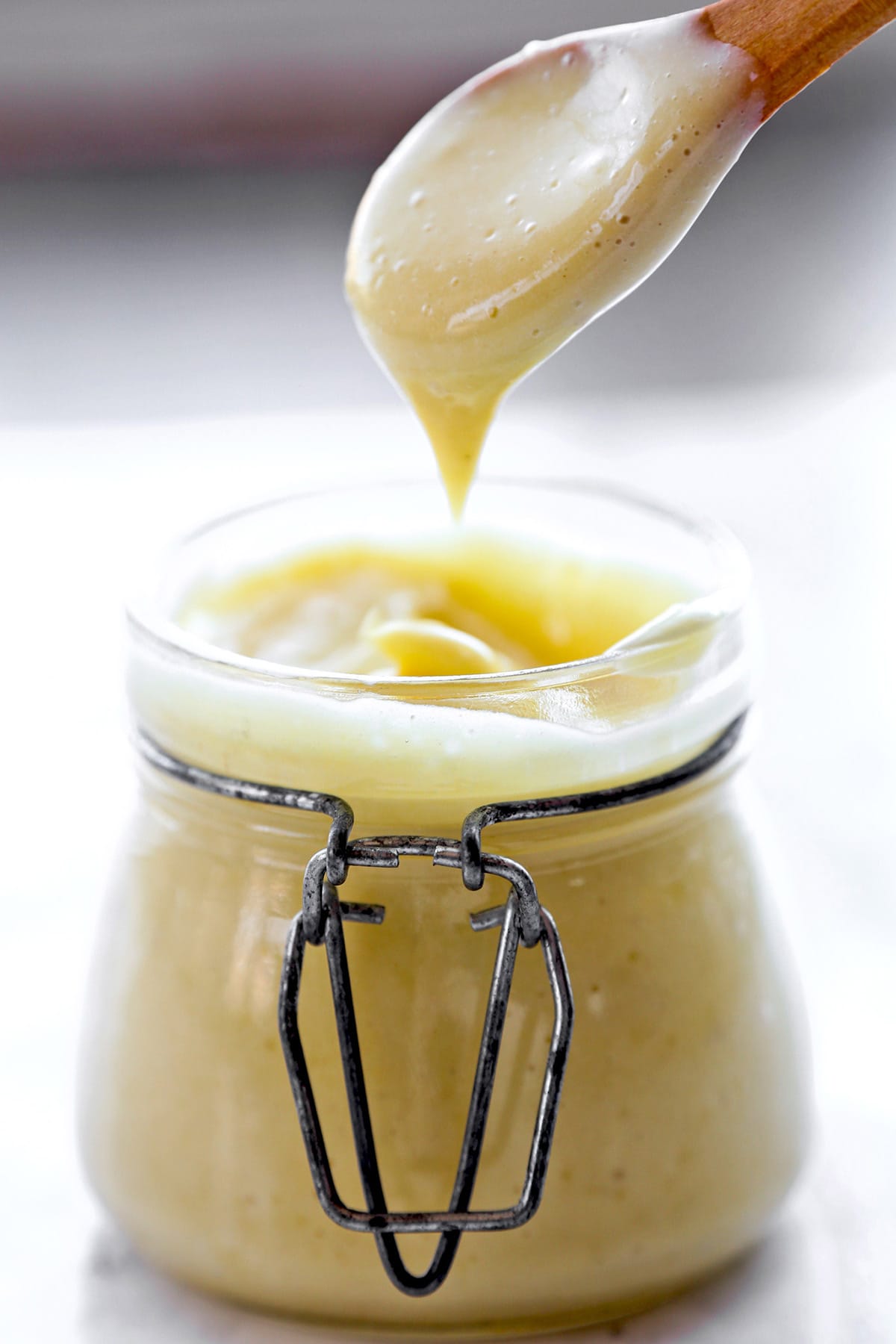
How To Make Japanese Mayo
See the recipe card below for the full measurements and instructions.
Making Japanese-style mayonnaise at home is very simple:
- Blend the egg yolks with the seasonings and vinegar.
- Slowly add the oil while blending until the mixture emulsifies and becomes thick and creamy.
- Taste, adjust the seasoning if needed, and refrigerate.
For the quick version using regular mayonnaise, see the recipe card below.
Storage
Store homemade Japanese mayonnaise in an airtight container in the refrigerator. For food safety, use pasteurized egg yolks and use the mayonnaise within 5-7 days.
What to Serve Japanese Mayo With
There are so many yummy ways to enjoy Kewpie mayo!
You can use it as a spread for sandwiches, as a dipping sauce for a vegetable plate, French fries or other fried foods such as tonkatsu, or as a salad dressing for macaroni salad and crunchy greens like romaine lettuce. It’s a key ingredient in my Japanese potato salad – as well as my Japanese egg sandwich (tamago sando) and Japanese potato salad sandwiches.
Here are some of my favorite dishes that I like to use Kewpie mayo with:
- Oven baked chicken katsu
- Kani salad
- Conbini style tuna mayo onigiri
- Spicy tuna roll (try it with a little soy sauce – it’s really good!)
- Omurice
Beyond home cooking, Kewpie mayo is commonly used in the prepared foods and snacks sold at convenience stores throughout Japan.
PrintKewpie Mayonnaise (Japanese Mayo)
Japanese mayo is the perfect condiment to add flavor to sandwiches, pasta salads, and simple vegetable dishes
- Prep Time: 5 minutes
- Cook Time: 0 minutes
- Total Time: 5 minutes
- Yield: 1 cup 1x
- Category: Condiment
- Method: Blending
- Cuisine: Japanese
- Diet: Gluten Free
Ingredients
Made From Scratch
- 2 organic free range egg yolk
- 1 teaspoon dijon mustard
- 1/4 teaspoon dashi powder
- 2 tablespoons rice vinegar or apple cider vinegar
- 3/4 teaspoon kosher salt
- 1 teaspoon granulated sugar
- 1 cup grapeseed oil or other neutral oil
Using Regular Mayonnaise
- 1 cup regular mayonnaise such as Hellman’s, or vegan mayonnaise
- 1/8 teaspoon dashi powder, or skip this if you are making vegan Japan mayo
- 1/2 teaspoon dijon mustard
- 1 1/2 tablespoon rice vinegar or apple cider vinegar
- 1/2 teaspoon sugar
Instructions
Made From Scratch
- Mix and blend. Put the egg yolk, mustard, dashi powder, vinegar, salt, and sugar in a food processor, and blend until smooth. Alternatively, you can use a hand blender or whisk.
- Slowly add oil. With the food processor running, slowly add the oil and continue blending until the mixture is thick like mayonnaise.
- Season to your liking. Add an additional teaspoon of sugar if you prefer the mayo to be sweeter. Blend again.
- Refrigerate it. Transfer to a glass jar and refrigerate for up to 2 weeks.
Using Regular Mayonnaise
- Mix the ingredients. Put all the ingredients in a bowl and mix well, until the dashi and sugar have dissolved.
- Thicken it. If the texture of the mayo is a little too thin, whisk it for a minute or so using a food processor, hand mixer, or hand whisk.
- Refrigerate it. Transfer the Japanese mayo to a glass jar or any other storage container, and refrigerate it.
Notes
Kewpie mayo will keep in the fridge, stored in an airtight jar or container for up to 5-7 days.
Nutrition
- Serving Size: 2 tablespoons
- Calories: 258
- Sugar: 0.6g
- Sodium: 134.6mg
- Fat: 28.4g
- Saturated Fat: 3g
- Unsaturated Fat: 19.2g
- Trans Fat: 0g
- Carbohydrates: 0.7g
- Fiber: 0g
- Protein: 0.7g
- Cholesterol: 46.1mg








The point about MSG being removed from the US version of Kewpie really lands — it’s one of those quiet culinary compromises that most people never even know they’re experiencing. I’ve been making homemade versions for a while now, and adding a small amount of MSG back in genuinely transforms the depth; it’s not magic, it’s just chemistry doing what chemistry does. Worth noting that the umami boost from MSG comes down to glutamate, the same compound found naturally in parmesan and tomatoes — according to the FDA, MSG has been affirmed as “generally recognized as safe” for decades, which makes the stigma around it one of the more persistent food myths out there. There’s something kind of beautiful about a condiment invented in 1924 that still sparks this much curiosity and devotion a hundred years later — Toichiro Nakashima would probably be delighted. For those of you who’ve tried both the scratch method and the doctored store-bought version from this recipe, did you notice a meaningful difference in the final texture, or does the emulsion end up feeling pretty similar? adam
I’m going to give it a try. Sounds good. I might use a tiny bit of fish sauce instead of dashi so I don’t have to run out and buy new things. I’m also using real butter instead of seed oils which I’m giving up due to their disease causing oxidative properties.
This is the only Kewpie mayo recipe I use! I put it on breaded pork cutlet sandwiches. My husband and kids love it to the point of finding anything available that they can dip in it once the pork is gone. 😀
Thank you so much Ellie! 🙂
Can a substitute be used for egg since a family member has a serious allergic reaction to eggs? vinnies36@gmail.com
Hi Vinnie! I would recommend making the quick version using vegan mayo such as Vegenaise. I’ve made it several times and it’s just as delicious! 🙂
Unfortunately, it didn’t turn out as thick as I would have liked it to. Any tips?
Most likely you’ve added the Oil too fast :*( It’s an Emulsion, it has to happen a little at a time, unless you do the Stick Blender trick, and just add it all to a big glass that fits the Stick Blender, put it all the way to the bottom, start it, and slowly pull it up and down as it thickens 🙂
Not sure if I added a bit too much mustard you could definitely tell there was mustard in it, i added a bit of honey and it made it taste so much better and got rid of the mustard taste in the final product. Love it
Depends a lot on the Mustard used of course 🙂
Inexpensive, quick and easy, and I didn’t even have to go hunt for it in stores! appreciate both ‘add on to regular mayo’ and kewpie mayo from scratch recipes. Thank you!!!!
Fabulous! I actually used a creamy local low fat quark as a base instead of the mayo and it tasted great. Ok, using quark meant it did not quite taste like the original but I loved it and felt healthy 🙂 Thanks for all the detailed information
Kewpie sold in Hawaii is from Japan. It’s available at Walmart as well as Don Quijote and Marukai (Japanese stores that have outlets here).
The Kewpie mayo at my local international market has the msg in it! I was also able to get msg. How much would you suggest using for the from scratch recipe?
Hi Hailey, I usually sprinkle a little in the end, do a taste test and adjust from there. Just out of curiosity – where are you located? I’m asking because I haven’t been as lucky as you finding the version with msg!
If you’re using ready made mayonnaise. Do you still add the egg, vinegar, salt, sugar and oil?
Hi Alina, you don’t need the egg or the oil. The full recipe and ingredients are listed at the bottom of the post in the recipe card 🙂
Thank you so much for sharing this recipe. I was in a pinch for kewpie today and started researching how to make it. However, I didn’t end up making it because I’m curious as to the egg yolk.
Will this recipe work if the egg is cooked first like hard boiled?
I use kewpie to add to food for my very picky little eaters (5 years old). I’m always concern for risk of getting food poisoning since it’s actually raw egg yolk.
On a separate note, the commercially bought kewpie caused hives for my egg white allergic toddler (2 years old), so I want to try making it myself to endure it’s egg yolks only.
Looking forward to your help!
Thanks!
Janet
Hi Janet! If that’s the case I would recommend making the quick version starting with vegan mayo and seasoning the vegan mayo 🙂
Tastes pretty good! I made the quick version with Mayo.
However it was still too tangy for me, so adding a squirt (maybe 1 – 1.5 Tbsp) of honey did the trick
Thanks, Caroline, for posting this! Came out amazing, I love it much better than commercial jarred mayo.. I used this today to whip up your Japanese egg sandwiches for lunch. Delicious.
That’s wonderful Steve! Thank you for your comment, I’m so happy you liked it and used it for the tamago sando as well! 🙂
I actually failed to read some instructions and ended up with a runny texture because I combined it all at one. I set aside the failed “mayo mixture” and whipped up a new egg until mayo like texture and then slowly incorporated the failed mixture I had at first and viola! Never been so happy in my life. Thanks to this recipe!
That’s great Anne, I’m so happy you were able to fix it! 🙂
Hi Caroline,
Thank you for sharing these flavorful recipes. I have a question about the Kewpie mayo, can I use the Kombu Dashi powder on this recipe ?
Hi J! Yes you can. It won’t taste exactly the same but I love the taste of kombu dashi so I think it will work well with it 🙂
dashi powder is quite hard to get hold of here, could msg be a possible substitute? for the umami kick at least?
Hi there!
You can order dashi on Amazon, thankfully it’s one of the places that never seem to run out of it. You could skip it altogether but the taste will be a little different, still good though! I would also recommend buying Ajinomoto on Amazon at the same time since adding that to the mayo makes it taste even better 🙂
Many thanks for this Caroline! I posted in your tonkatsu sauce recipe how I was going to give this a try when my bottle of Kewpie ran out. Well it did and I did and I am thrilled with the result. I used Hellman’s mayo as the base and it turned out beautifully. The beauty of this is that you can adjust the individual ingredients to tailor the mayo to your individual taste – I added a smidge more dashi powder (I’m a sucker for it) and the result was beautiful. I can’t see myself buying Kewpie again, especially when I can adjust the flavour profile to how I want.
Genius recipe!
That’s so wonderful Tim, thank you so much for sharing this with me, you just made my day! 🙂 ❤️
What is dashi powder?
Hi Janel! Dashi powder is bonito fish powder to make a stock. You only need a few granules, it’s pretty powerful and super delicious!
Thank you for the speedy response, Caroline.