This homemade eel sauce is sweet, smoky, and savory, with the perfect sticky texture for drizzling over sushi rolls, rice bowls, and grilled veggies. It only takes 4 ingredients to make and keeps well in the fridge, so you can use it whenever a dish needs a quick boost of umami.
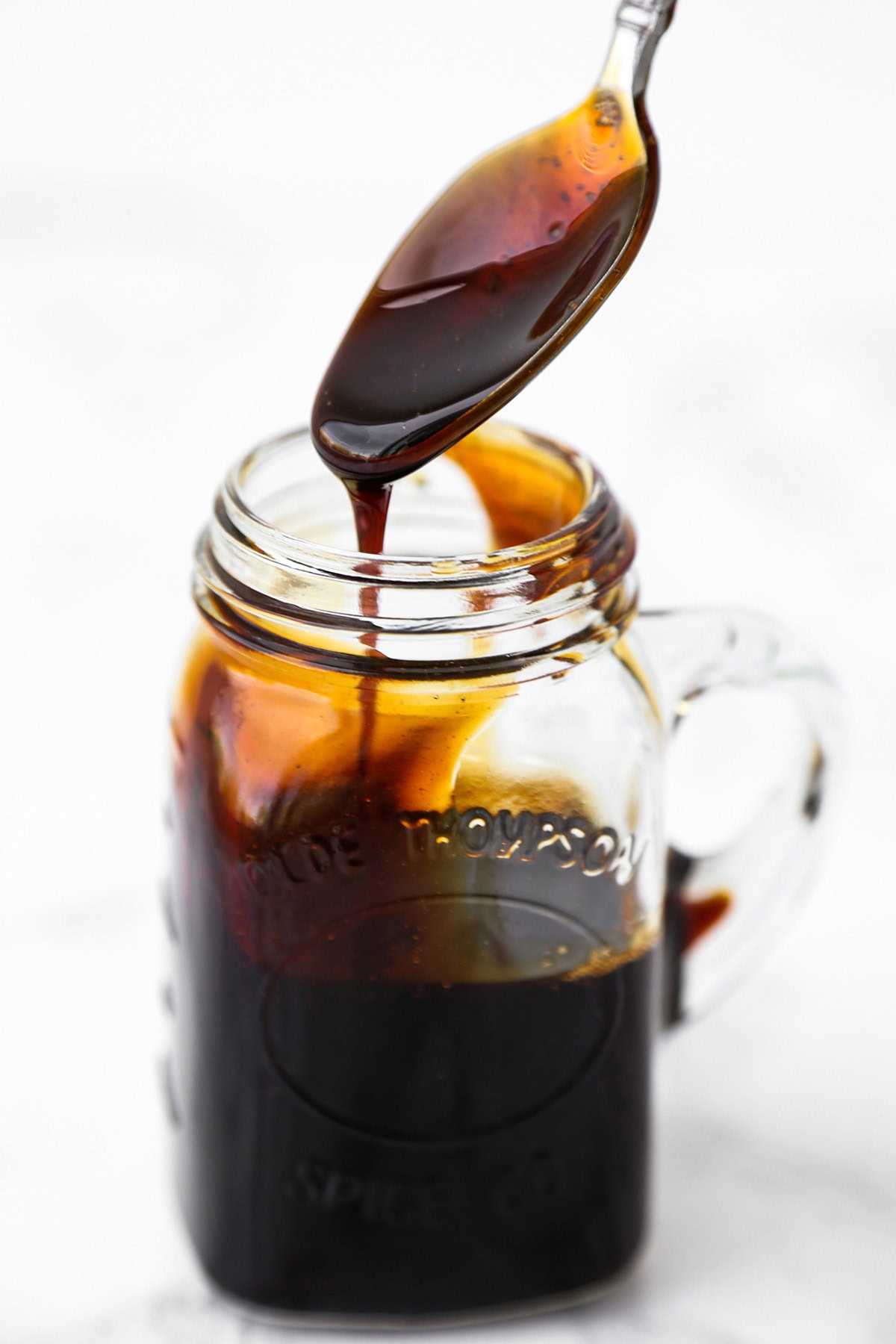
Eel sauce is simple and very easy to make. I think of it as an all-purpose sauce that is great as a dipping sauce for breaded chicken and crispy tofu, as a sandwich spread, or as a flavor booster for a simple vegetable stir fry. My recipe is very easy to make and can last for up to 1 month in the fridge.
Why This Recipe Works
- Versatile. Unagi no tare is delicious on everything from poke to pizza to sushi rolls.
- Only 4 ingredients. All of them pantry condiments that are easy to find.
- Tastes like the real thing. Store-bought eel sauce tends to be very sweet. This one is deeply savory, umami and sweet. Closer to the flavors you get in Japan.
Table of contents
What is Eel Sauce?
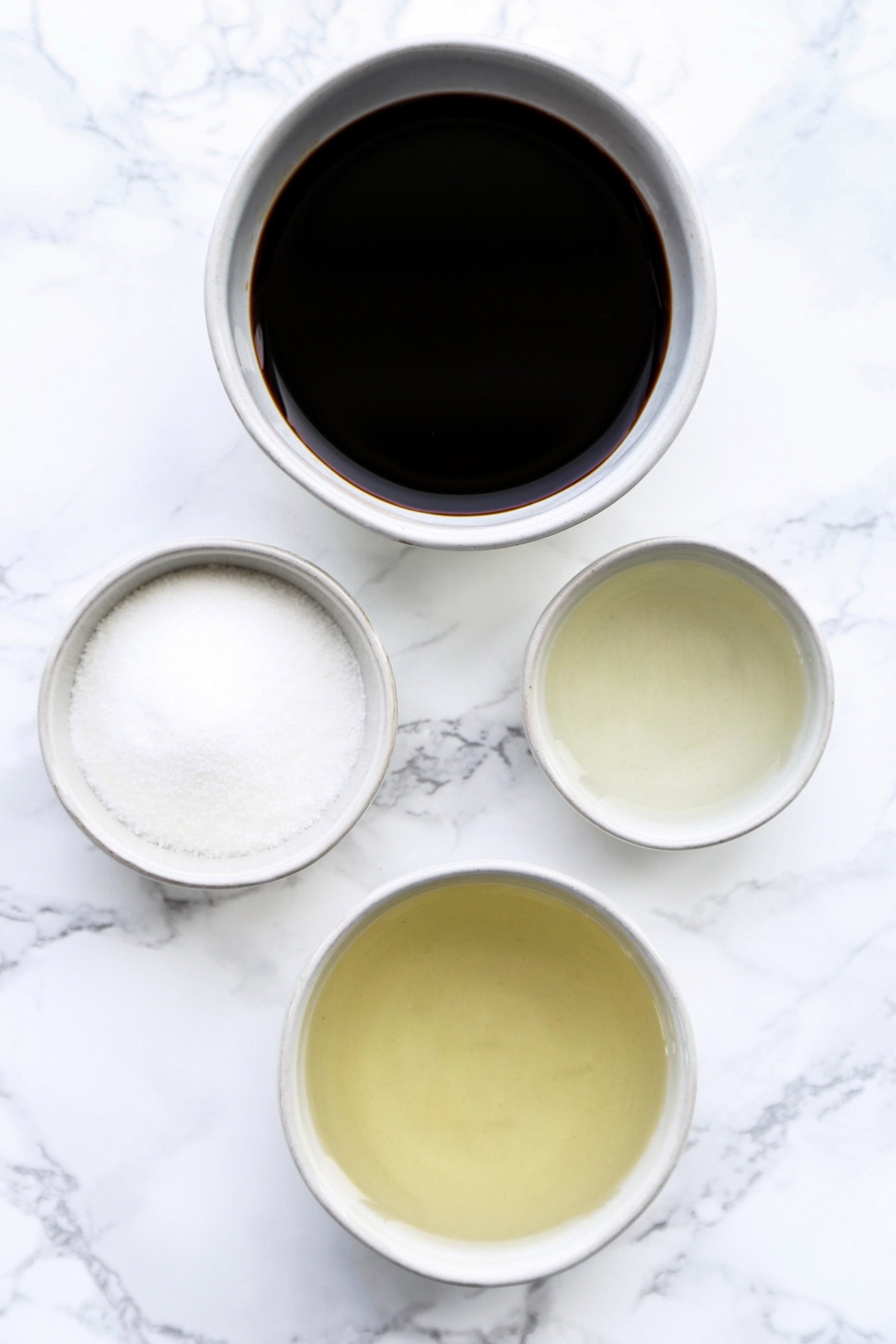
Eel sauce is a thick Japanese brown sauce most famously used as a sauce for unagi don, or una don, which is a rice bowl topped with grilled eel. The sauce, called tare in Japanese, is brushed on the eel on the grill – giving it a sweet and umami flavor that caramelizes the eel as it cooks.
Despite the name, eel sauce doesn’t usually contain eel. The name comes from how the sauce is used, not from the ingredients. It’s simmered until it becomes shiny and syrupy, which gives it that restaurant-style texture that clings beautifully to food.
Ingredients
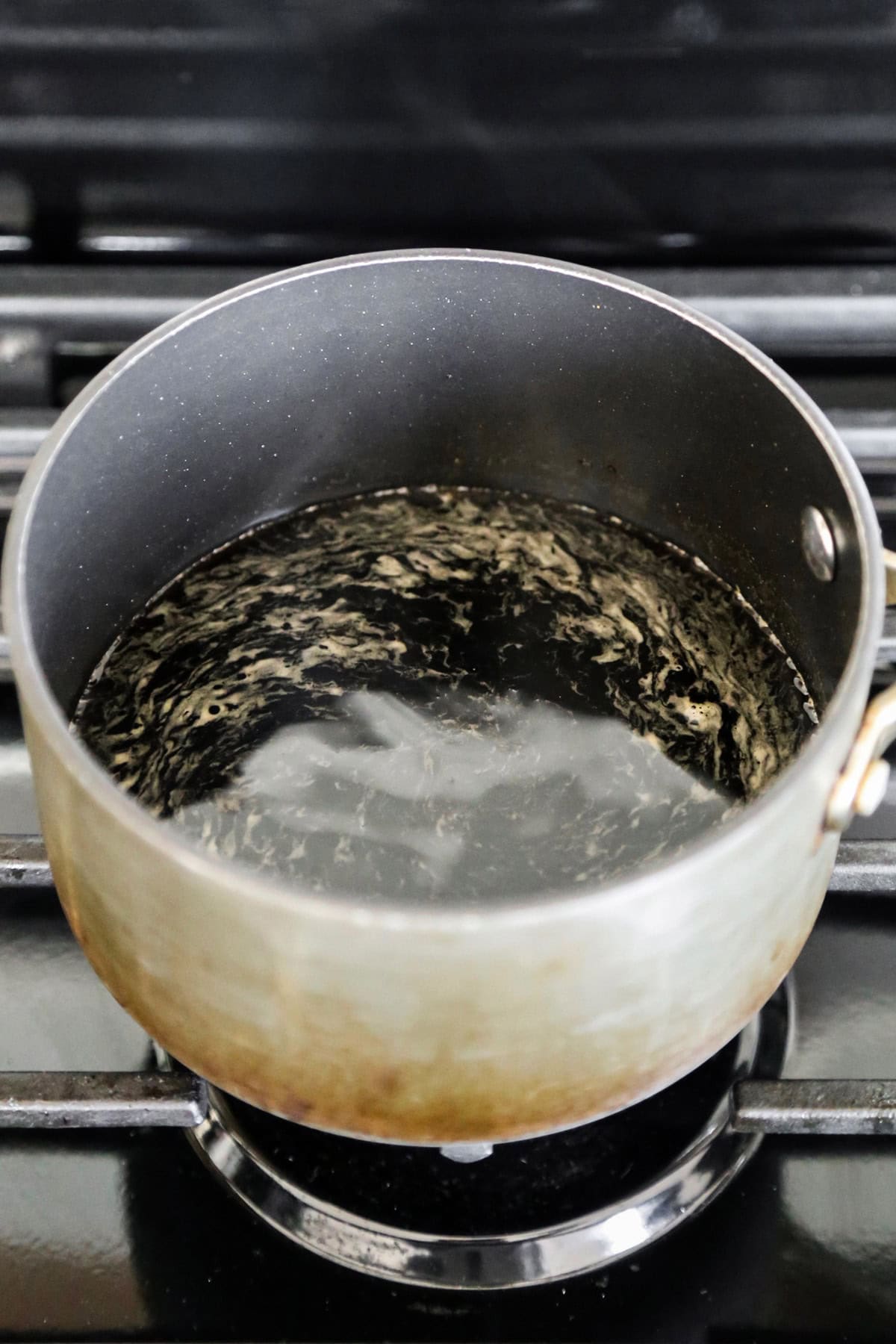
- Mirin: Mirin adds sweetness, shine, and a gentle acidity that helps round out the sauce.
- Sugar: Sugar helps the sauce thicken and gives it that glossy texture. You can add a little more if you prefer a sweeter sauce.
- Soy Sauce: Soy sauce adds saltiness, depth, and umami. Regular Japanese soy sauce works best for this recipe.
- Sake: Sake adds aroma and a subtle fruitiness. You can use cooking sake or a sake you would drink.
Variations
- Make it spicy: Add 1 teaspoon chopped dried red chilies to the sauce while it’s cooking to add heat and extra smokiness.
- Make it more savory: Stir in 1 teaspoon dashi powder for extra depth.
- Make it gluten-free: Use gluten-free soy sauce or tamari instead of regular soy sauce.
How to Make Eel Sauce
Scroll down to the recipe card for the full recipe.
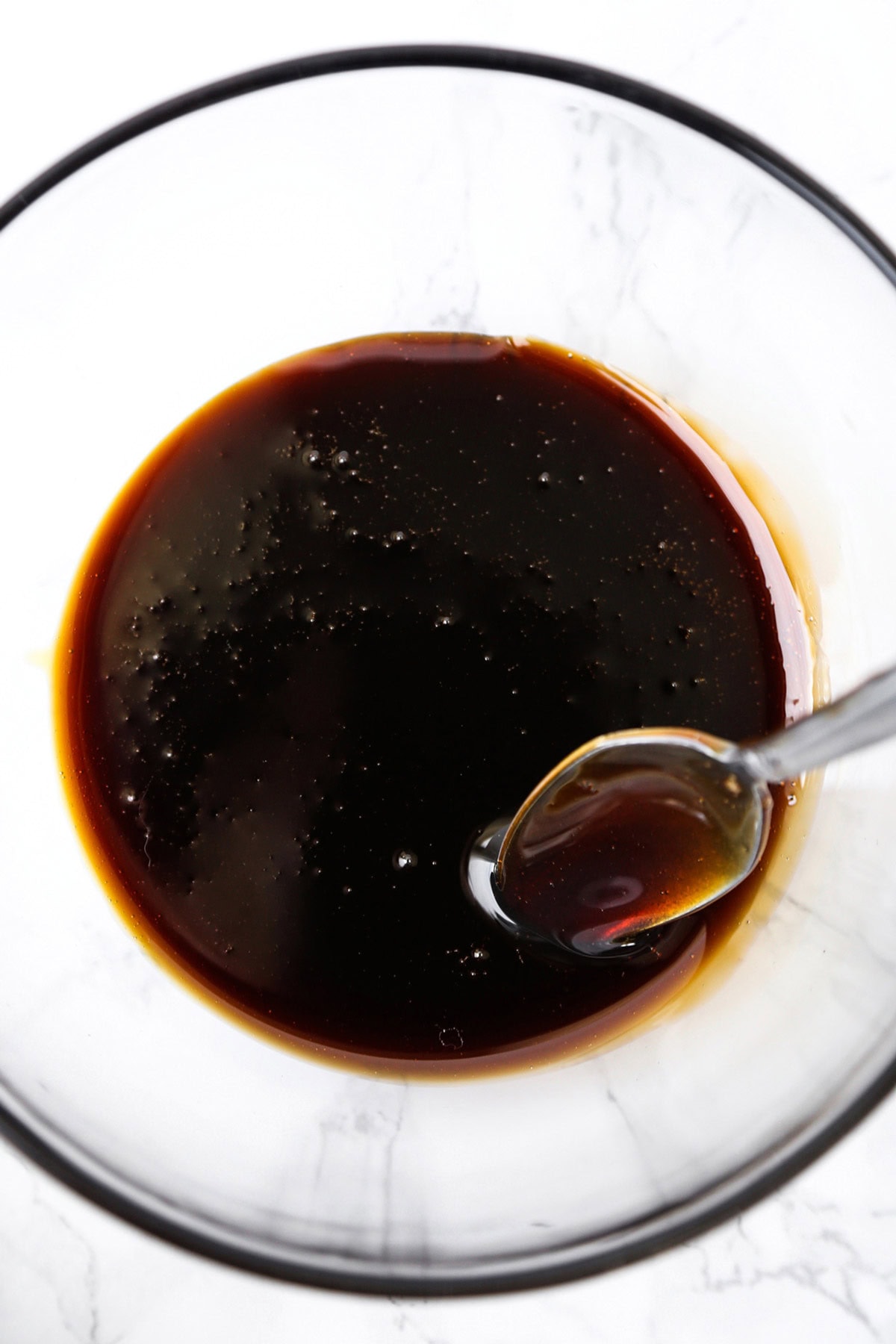
Add the mirin, soy sauce, sugar, and sake to a small saucepan and bring the mixture to a boil. Lower the heat and simmer until the sauce has reduced and lightly thickened.
Let the sauce cool before using it. It will become thicker as it sits, so don’t reduce it too much while it’s still hot.
Expert Tips
- Use low heat after boiling. Once the sauce comes to a boil, lower the heat so it can reduce slowly and evenly.
- Stir often. Stirring frequently is important in order to keep the sauce from burning.
- Keep an eye on the heat. The sauce should only be slightly bubbling, no more than that. This again is to keep the sauce from burning as it reduces and thickens.
- Turn the heat off before the sauce looks thick. The sauce will continue to thicken and it should still be pourable when warm.
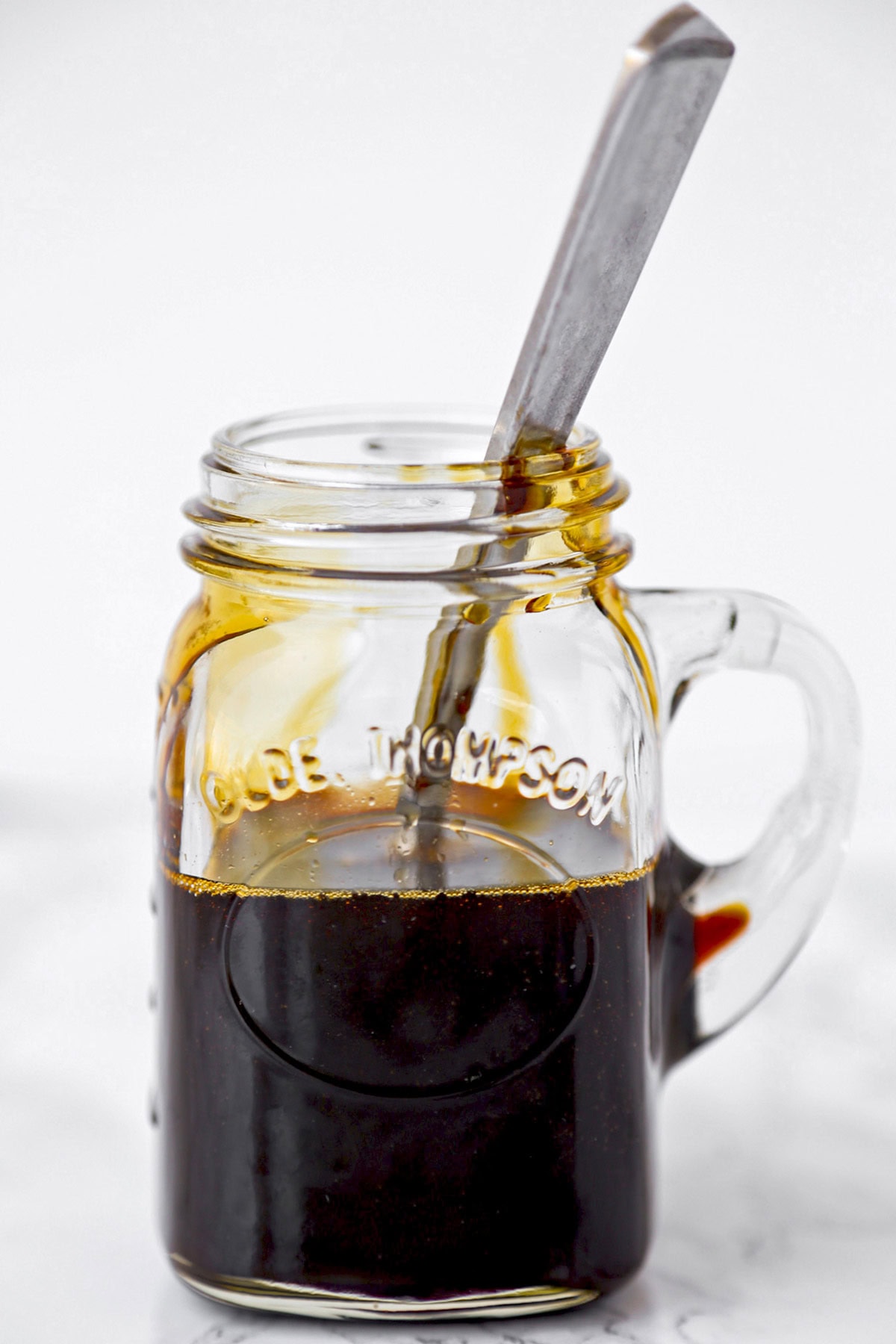
- Use a glass jar or squeeze bottle. This makes it easy to store and drizzle later.
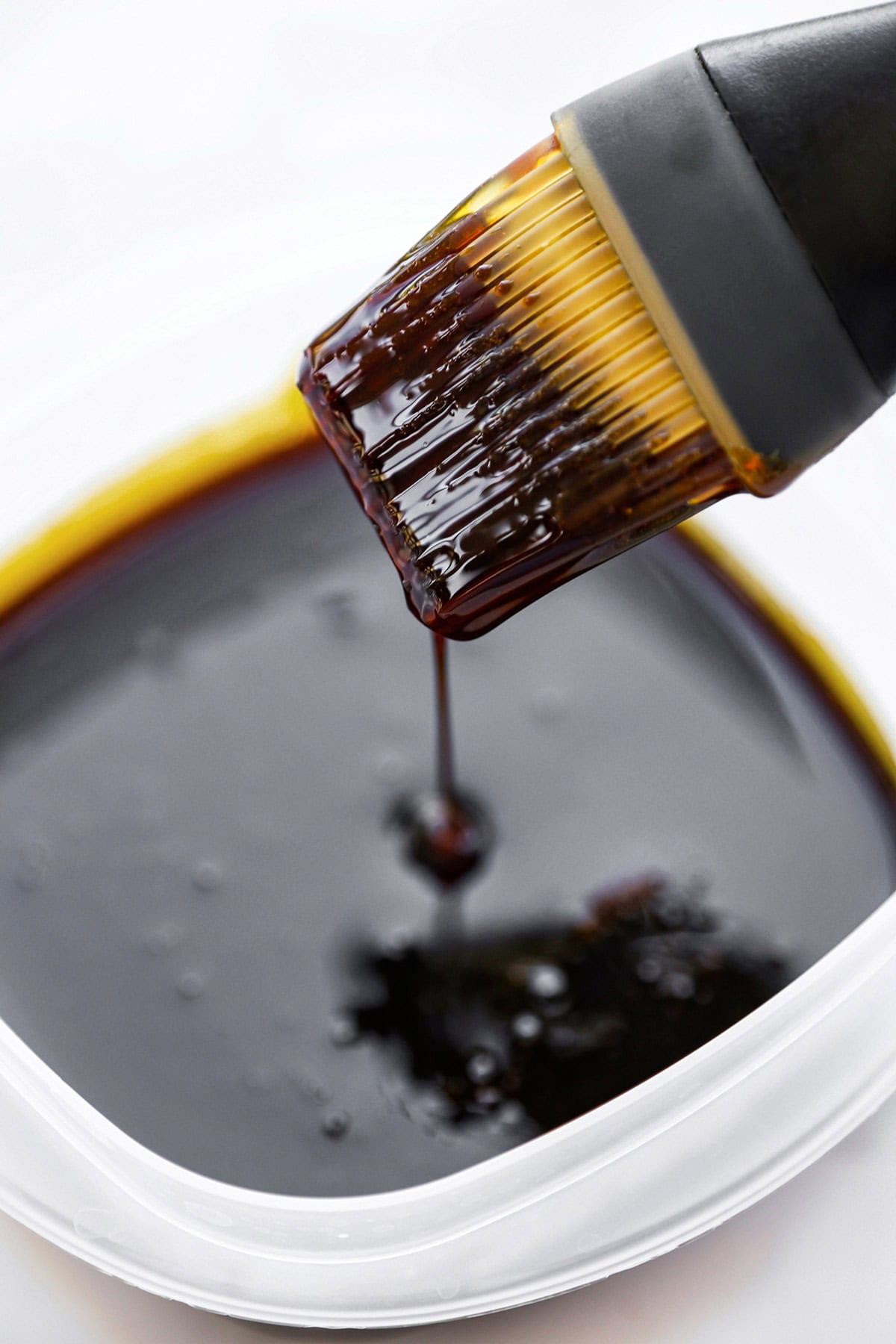
How Thick Should Eel Sauce Be?
Eel sauce should be glossy and lightly syrupy. It should coat the back of a spoon but still pour easily. If it becomes too thick after chilling, warm it gently and stir in a tiny splash of water.
Storage And Reheating
- Fridge: Refrigerate the sauce in a glass jar or sauce bottle for up to 4 weeks.
- Freezer: Let the sauce cool to room temperature and save it in small batches using airtight containers. This makes it easier to portion the sauce and only use as much as is needed. Allow the sauce to thaw in the fridge overnight before using it.
- To reheat: Put the sauce in a saucepan and warm it up on low heat, stirring frequently. Or microwave for a few seconds with the lid slightly open.
How To Use It
Eel sauce is most commonly used with grilled eel and sushi rolls, but it’s also delicious with many simple homemade dishes. It’s a great flavor booster and enhances the taste of grilled vegetables, tofu, seafood, and meats. Use it as a sauce for okonomiyaki, takoyaki, and poke bowls. It’s also delicious with katsu sandwiches and pizza, as a spread, or brushed on top of yaki onigiri (grilled rice balls) for umami.
If you’re making sushi at home, start with properly seasoned sushi rice and use the sauce as a final drizzle over the finished rolls, rather than mixing it into the rice.
More homemade Asian sauces:
Or read my collection of 15 Popular Homemade Asian Sauces for more delicious ideas!
PrintEel Sauce (Unagi No Tare)

Sweet, sticky, and packed with umami, this homemade eel sauce is the perfect condiment for grilled dishes, sushi rolls, and rice bowls.
- Prep Time: 5 minutes
- Cook Time: 20 minutes
- Total Time: 25 minutes
- Yield: 1 cup 1x
- Category: Condiments
- Method: Boiling
- Cuisine: Japanese
- Diet: Vegetarian
Ingredients
- 100 ml mirin
- 100 ml soy sauce
- 3 1/2 tablespoons sugar
- 2 1/2 tablespoons sake
Instructions
- Bring the ingredients to a boil. Put all the ingredients for the eel sauce in a small saucepan and bring to a boil.
- Simmer the sauce. Turn the heat down to medium low (the sauce should still be bubbling) and stir frequently for 15 to 20 minutes, until desired consistency. The longer you cook the sauce, the thicker it will get. Also, keep in mind that it will continue to thicken as it cools down. I personally stop cooking it at around 17 minutes.
- Serve. Transfer to a container and refrigerate it. Drizzle a little over sushi, serve with eel, grilled meats or tofu, or use as a spread for sandwiches.
Notes
Save unagi sauce in a jar or other storage container and refrigerate for up to 4 weeks.
Nutrition
- Serving Size: 2 tablespoons
- Calories: 68
- Sugar: 11.7g
- Sodium: 442.7mg
- Fat: 0g
- Saturated Fat: 0g
- Unsaturated Fat: 0g
- Trans Fat: 0g
- Carbohydrates: 13.5g
- Fiber: 0g
- Protein: 1.1g
- Cholesterol: 0mg
Frequently Asked Questions
No it isn’t because it contains soy sauce. But it can easily be made gluten free by switching the soy sauce for gluten-free soy sauce or tamari sauce.
Yes, this recipe is vegan-friendly because it doesn’t contain eel or any other animal products. If you follow a strict vegan diet, use vegan-certified sugar.
No, all eel sauces do not contain any eel. This recipe is 100% vegan.
No. They use some similar ingredients, but eel sauce is thicker, sweeter, and usually used as a finishing sauce. Teriyaki sauce is often used as a marinade or cooking glaze.
It’s sweet, umami and almost smoky. Think of it like teriyaki sauce without the tanginess. Or like tonkatsu sauce minus the fruitiness.
Yes. You can find eel sauce at Japanese supermarkets and many Asian grocery stores. But since it only takes 4 ingredients to make, I usually prefer the homemade version.
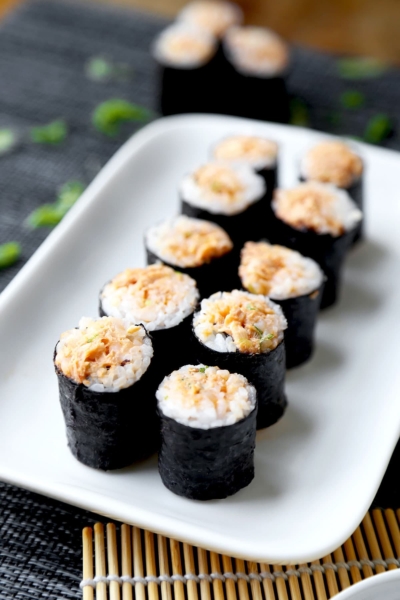
Yes. Eel sauce is commonly drizzled over sushi rolls, especially rolls made with unagi, avocado, shrimp tempura, or spicy tuna.








Very easy to make
I love eels in Eel Sauce, but the package never has enough sauce for my donburi
I love eels in eel sauce and have been looking for a recipe for ages as there is never enough sauce in the package I use to make eel, eggplant ,and eggs donburi which I serve on buckwheat noodles. I have been searching for a recipe for ages until I saw yours. The one in the package is a little more golden and I will tweak your recipe using your recipe as a start. Thank you so much for this recipe.