Cold Japanese noodles are one of the easiest meals to make when the weather is hot and humid. Served chilled with a savory dipping sauce, crisp vegetables, and other simple toppings, they are cooling and easy to digest. This guide covers the most popular cold Japanese noodle dishes, plus the sauces, toppings, and pantry staples that bring them together.
Cold noodles are a summer staple in Japan, and for good reason. They are quick to make, easy to dress up, and light enough to enjoy on a hot and sunny day.
What I love about them is how refreshing and satisfying they are. Some noodles are served with a simple dipping sauce, while others are topped with colorful ingredients like egg ribbons, cucumber, tomatoes, and shrimp.
This guide explains the different types of noodles, sauces, and the small details that make them taste better at home.
Table of contents
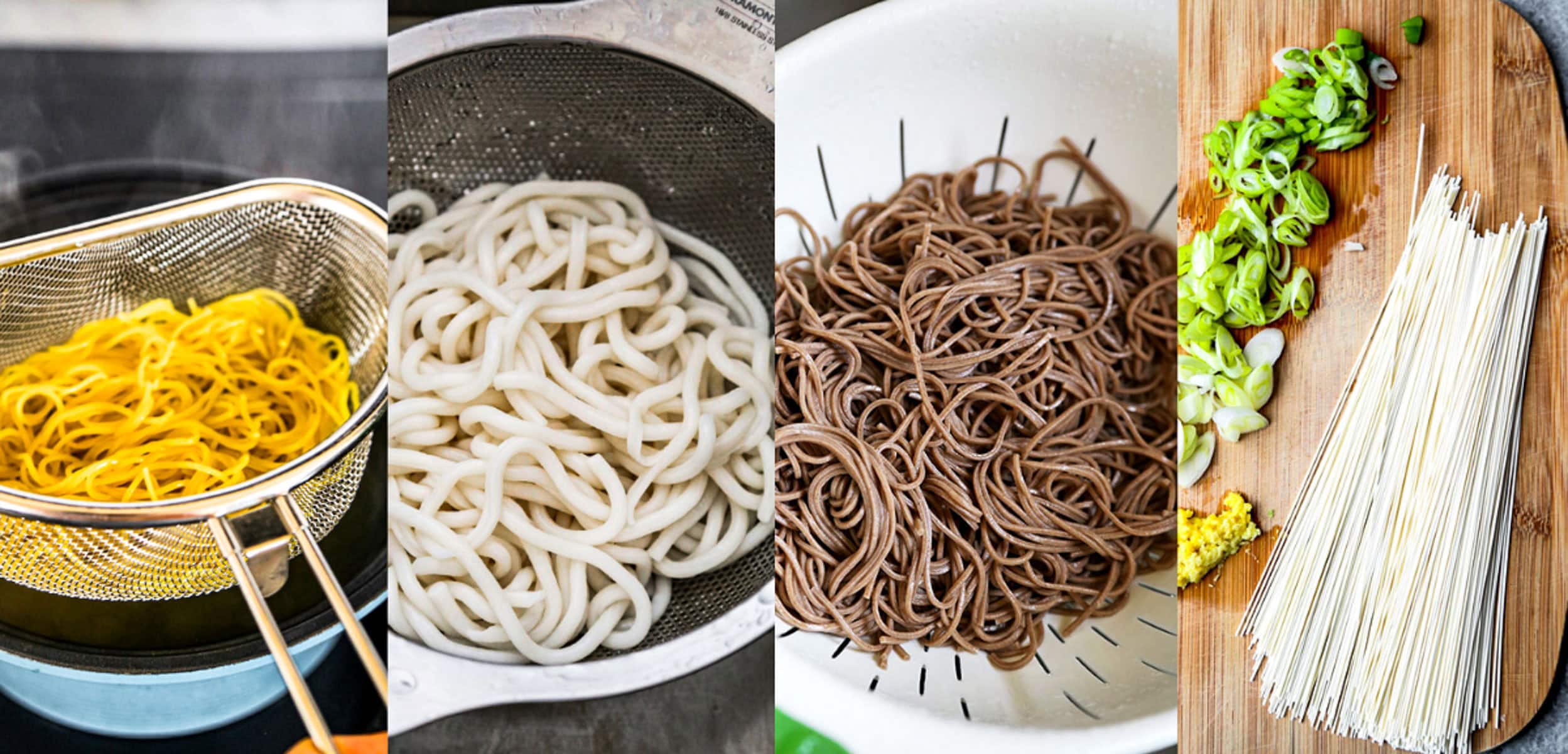
Cold Japanese Noodles, Explained
Cold Japanese noodles are not a specific dish, but a variety of noodles such as somen, soba, udon, and ramen. Many of these noodles can be served hot or cold, but in the summer, when Japan becomes intensely hot and humid, chilled versions are especially popular.
They are usually served with a savory dipping sauce, a light broth, or a flavorful sauce poured over the top, plus simple toppings that add freshness and texture.
Why Cold Noodles Are So Popular in Japan
Japanese summers are hot, humid, and long, which is why cold noodle dishes are especially appealing. They do not require much time at the stove, and they feel lighter than a hot bowl of noodle soup.
They are also practical because many of the components can be prepared ahead of time. The sauce can be chilled, the toppings can be sliced, and the noodles only need a few minutes to cook before they are rinsed under cold water and served.
Popular Cold Japanese Noodle Dishes
Somen
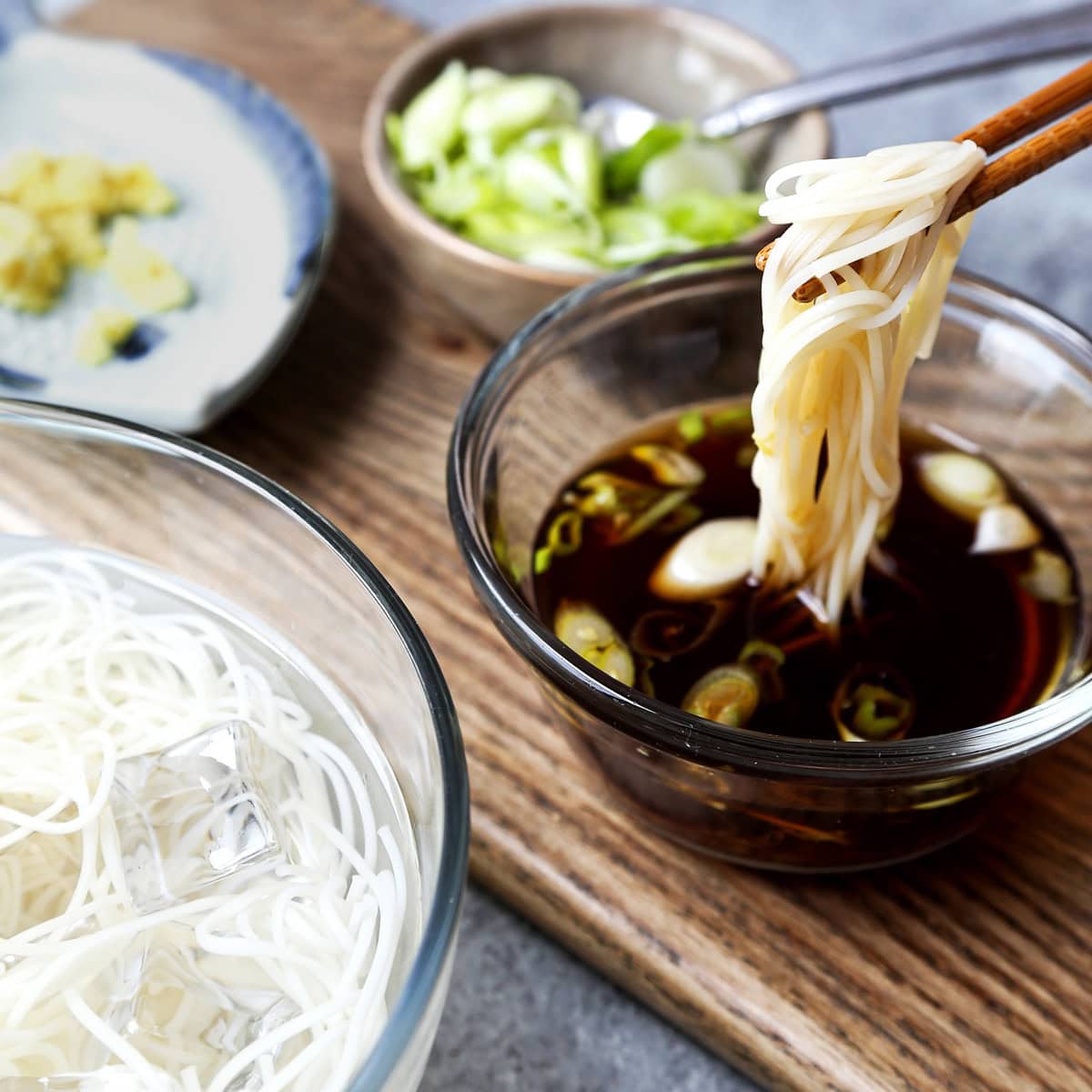
Somen noodles are very thin wheat noodles. They cook quickly and have a delicate texture that makes them especially good cold. In Japan, somen is often served with a small bowl of mentsuyu for dipping, plus simple toppings like grated ginger, scallions, sesame seeds, or shredded nori.
Zaru Soba
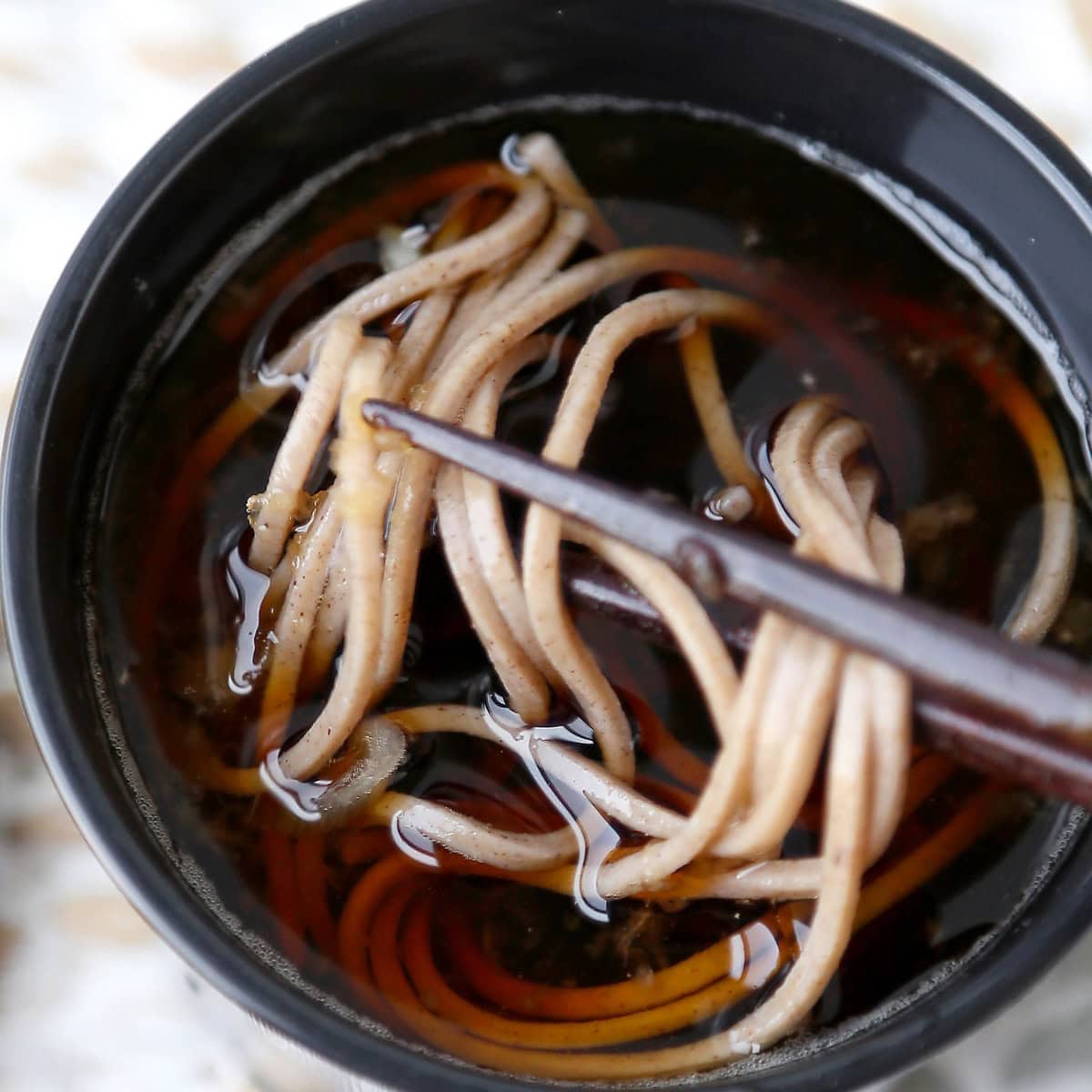
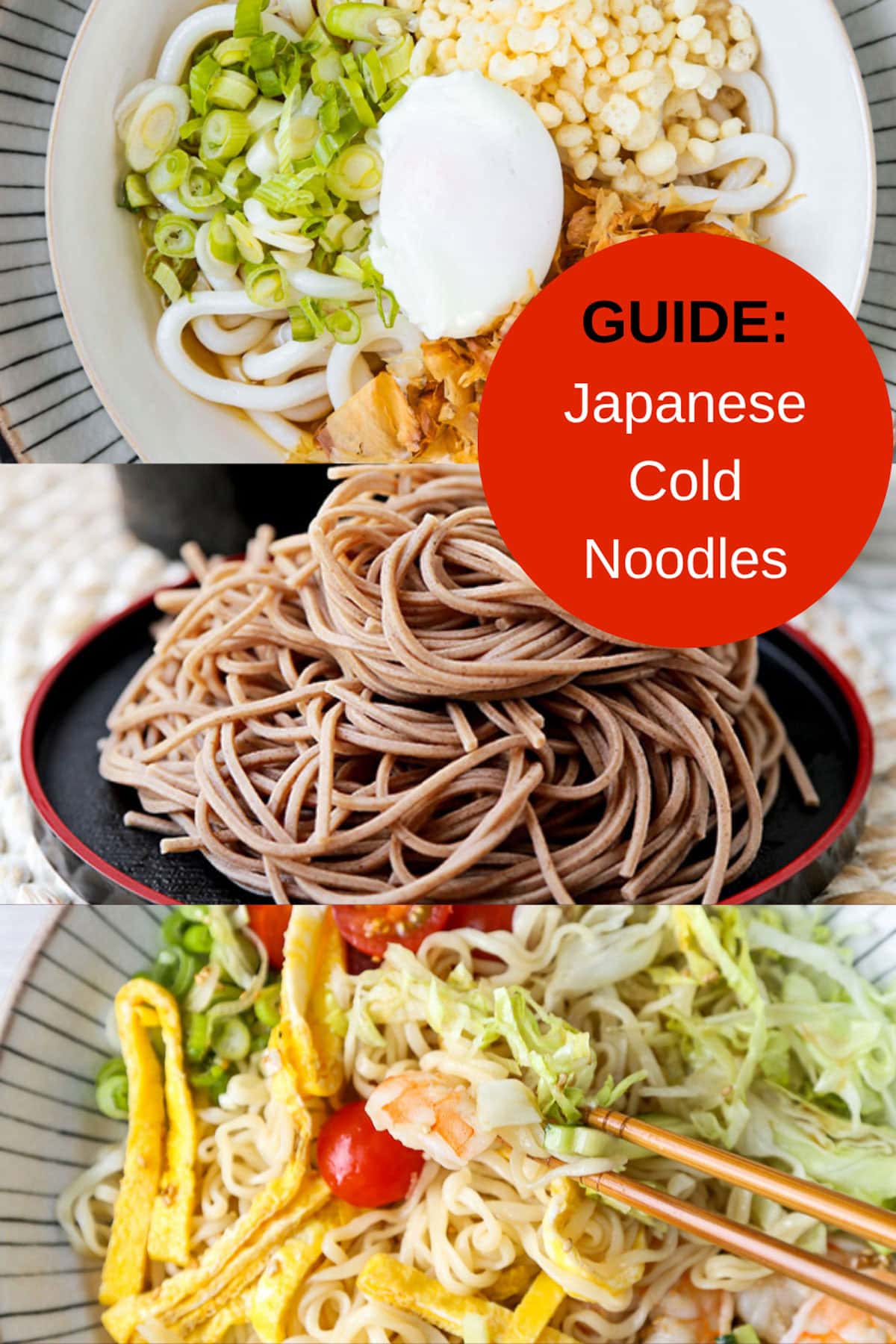
Zaru soba is made with cold soba noodles served with a dipping sauce. Soba noodles are usually made with buckwheat flour, which gives them a nutty, earthy flavor and a firmer bite than somen.
This is one of the simplest and most elegant cold noodle dishes. The noodles are usually served on a bamboo tray or plate, with mentsuyu on the side. A little wasabi, chopped scallions, grated daikon, or nori is all you need to make the dish feel complete.
Bukkake Udon
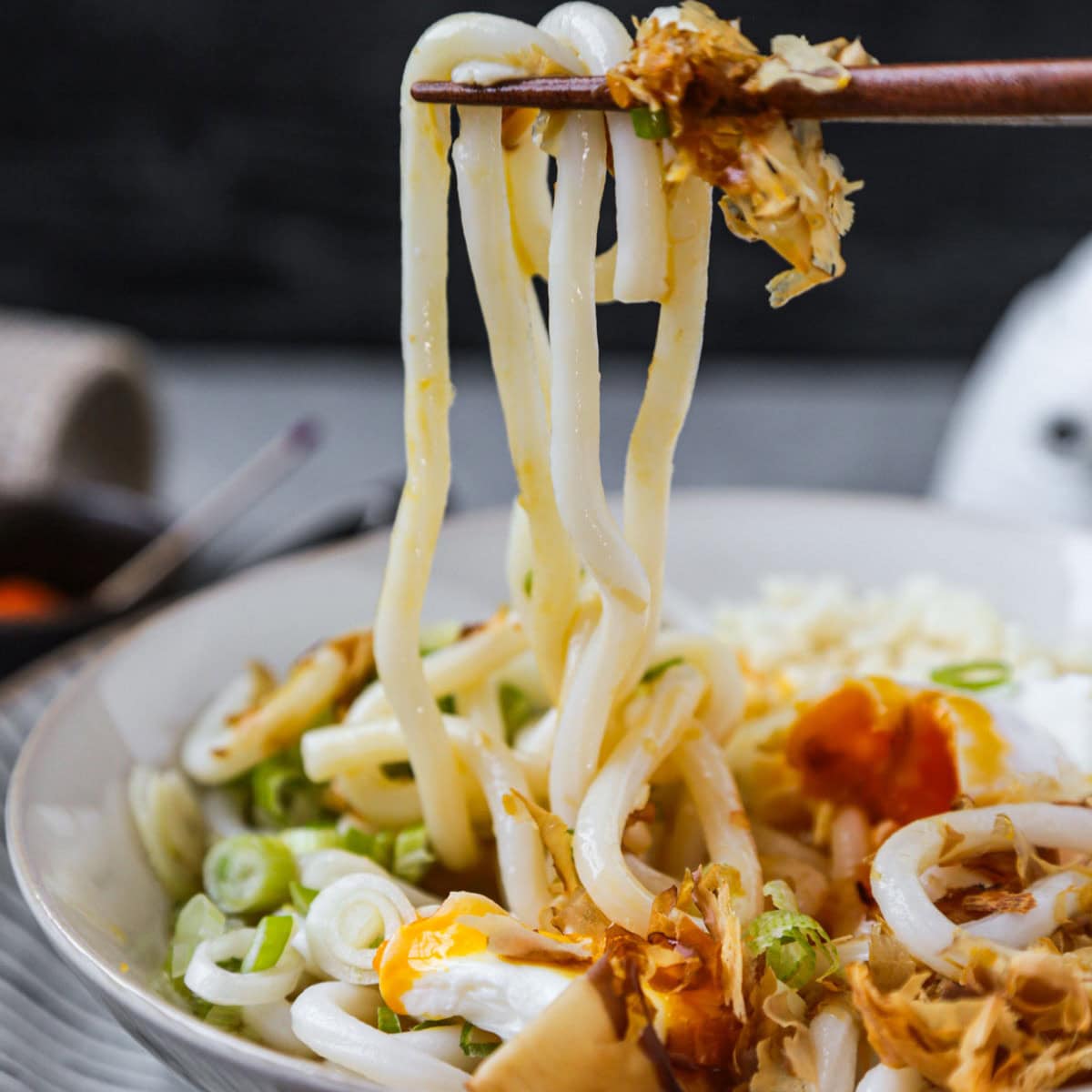
Udon noodles are thicker than soba and somen, with a soft, chewy, bouncy texture. When served cold, they feel extra satisfying because the noodles stay springy and absorb the flavor of the broth or sauce without becoming heavy.
Bukkake udon is one of my favorite ways to eat cold udon. The noodles are served in a chilled tsuyu broth and topped with ingredients such as scallions, grated ginger, bonito flakes, tempura bits, or a soft egg.
Hiyashi Chuka
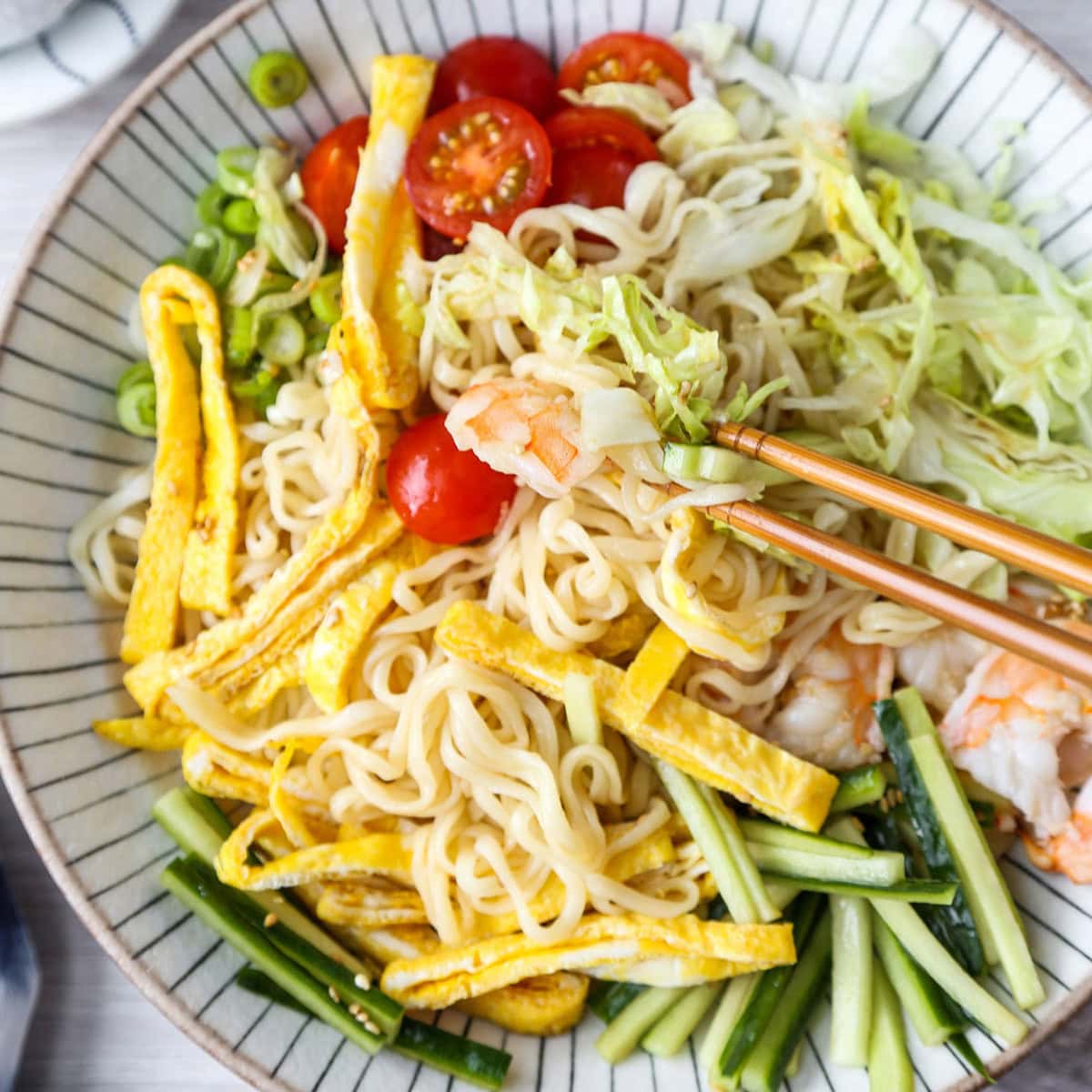
Hiyashi chuka is a chilled ramen dish topped with egg ribbons, thinly sliced cucumber, seaweed, and a protein such as ham or shrimp. It is usually served with a soy sauce and vinegar-based dressing. Because the noodles are served cold with colorful toppings, the dish feels more like a composed noodle salad than a bowl of ramen. It’s one of my favorite summer dishes of all time!
Tsukemen
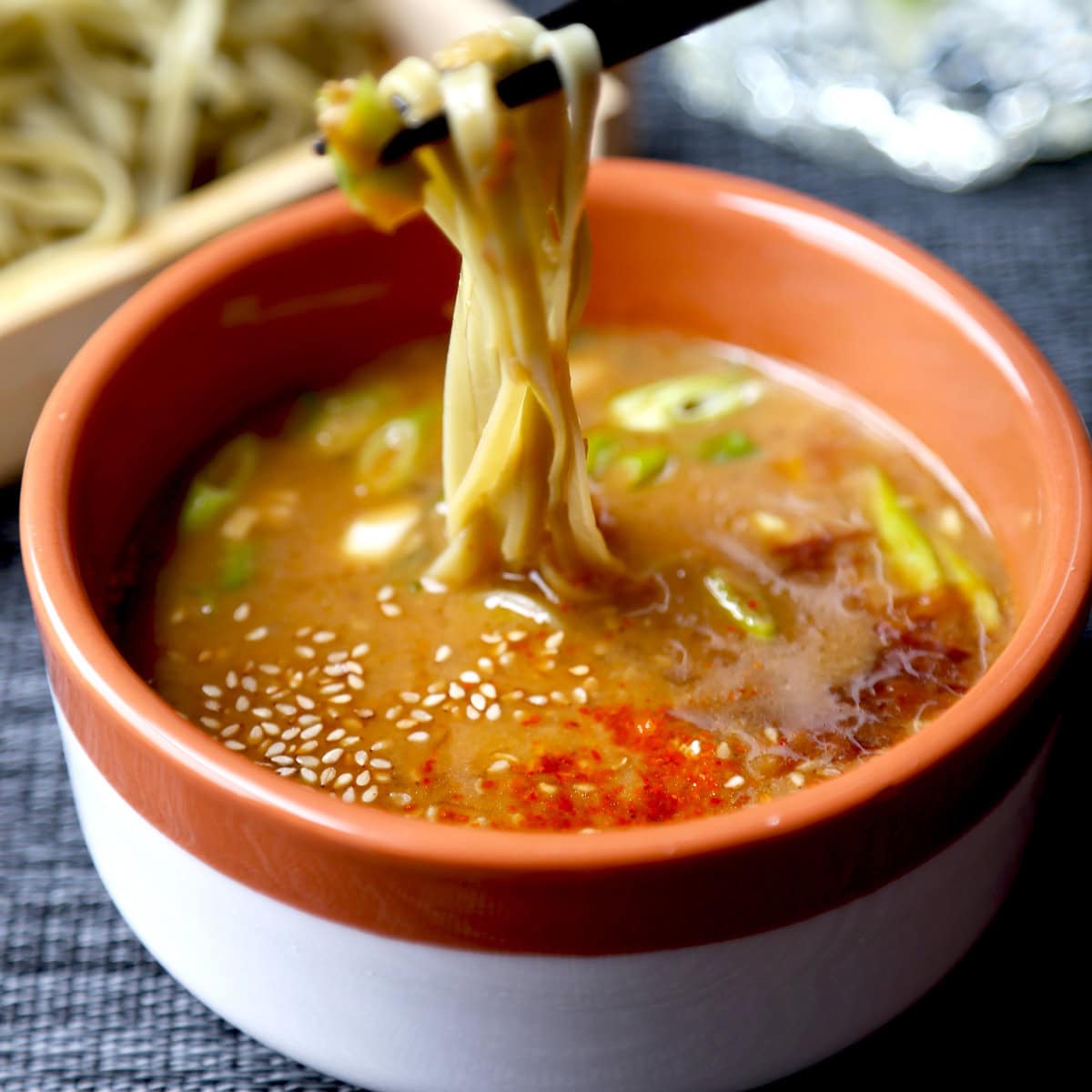
Tsukemen is a ramen dish where the noodles are served separately from the dipping broth. It’s often associated with ramen shops because the dipping sauce is essentially a more concentrated version of ramen broth.
It’s especially good in the summer because it has the comfort of ramen without a steaming bowl of soup. The noodles can be served cold or at room temperature, while the dipping broth can be warm or chilled, depending on the recipe.
Chilled Japanese-Style Pasta
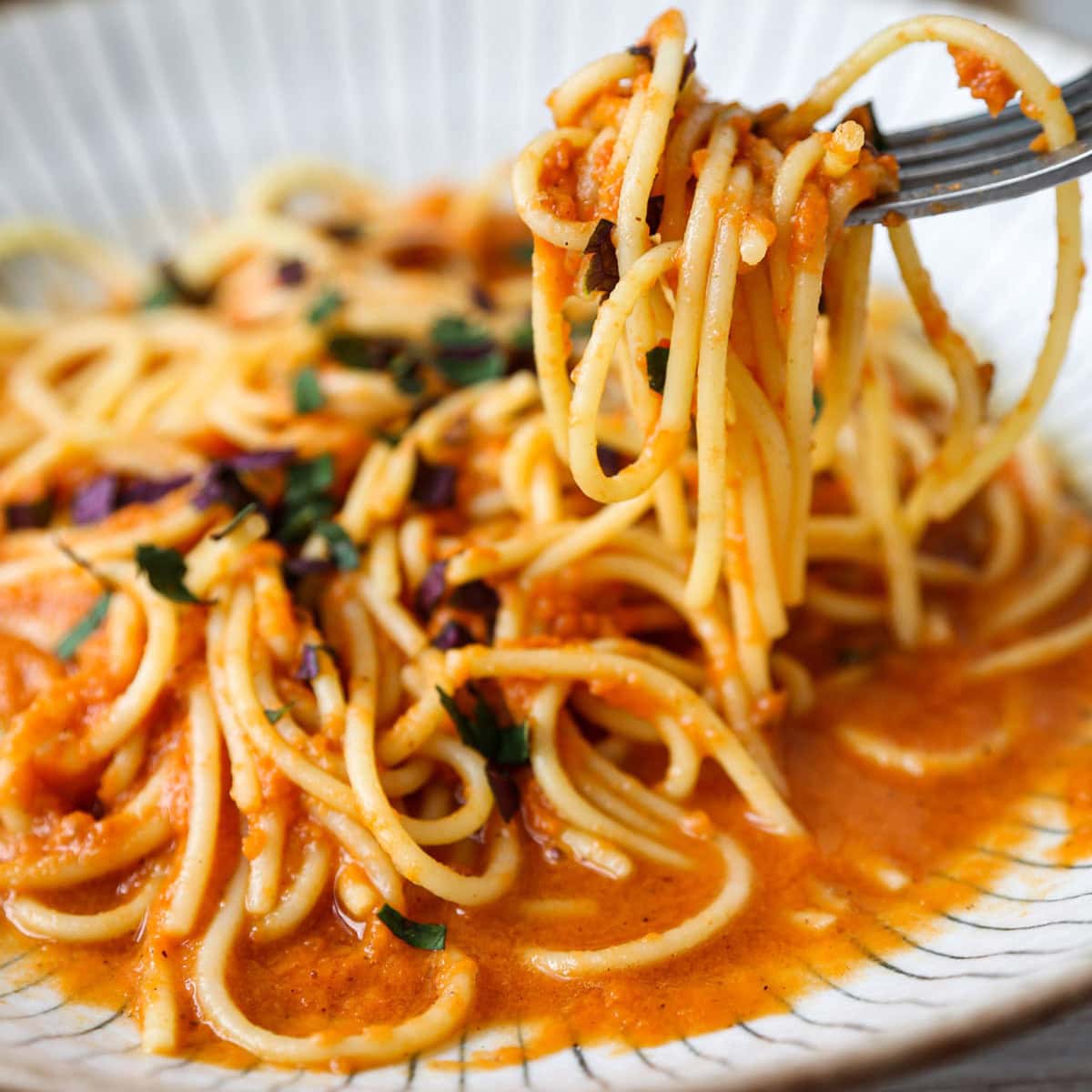
Japanese-style pasta, also called wafu pasta, is pasta made with Japanese ingredients or seasonings. It is not always served cold, but chilled versions are popular in the summer because they pair well with fresh vegetables, herbs, seafood, and light sauces.
These pastas often use Japanese pantry ingredients such as soy sauce, rice vinegar, ponzu, sesame oil, shiso, nori, pickles, or fish roe. The result is lighter and brighter than a warm Italian pasta dish, with a clean finish that works well in hot weather.
Pantry Staples (Other than Noodles)
You do not need many ingredients to make cold Japanese noodles at home, but a few pantry staples make the dishes much easier to put together.
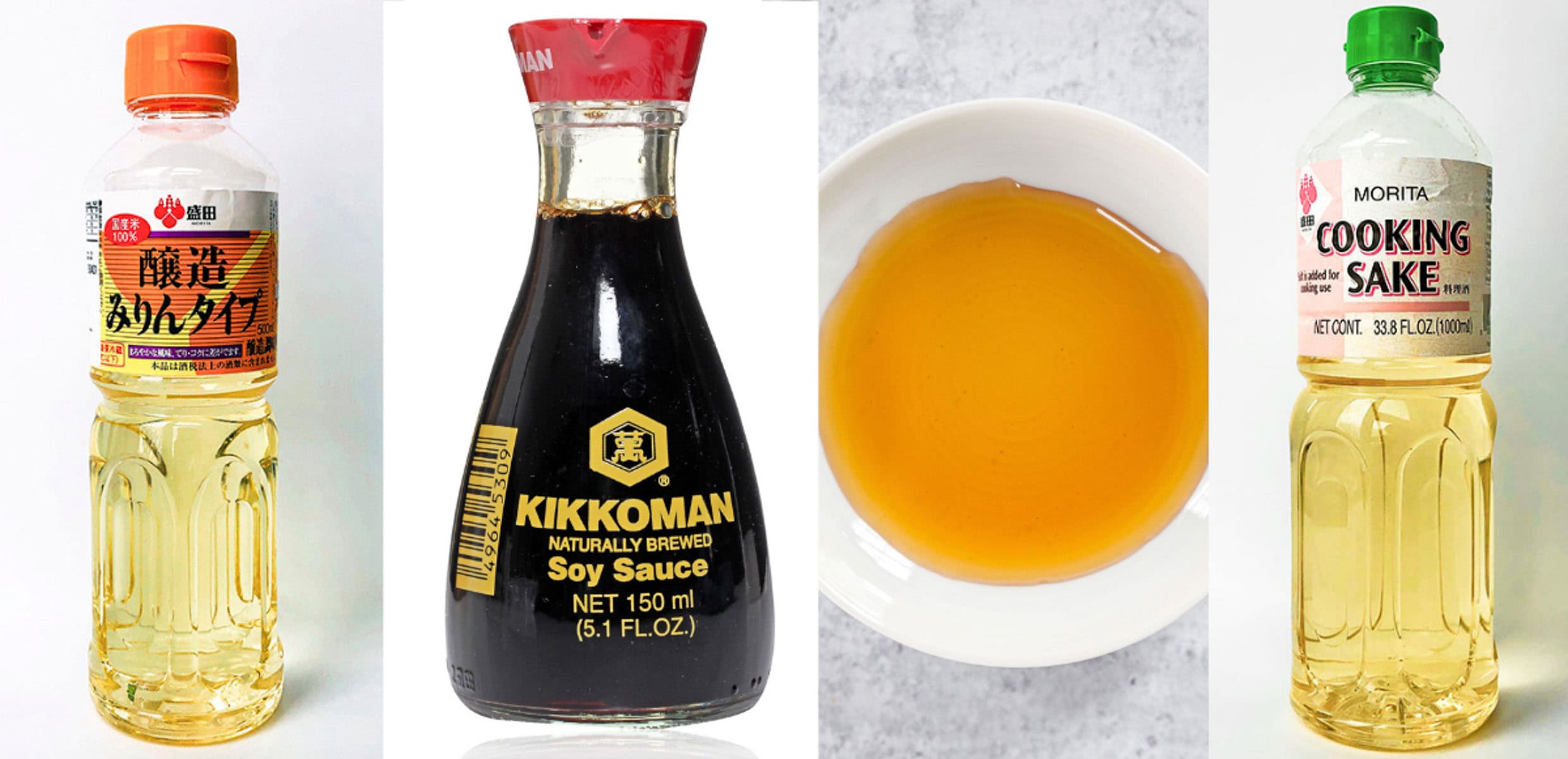
- Mentsuyu. Mentsuyu is the dipping sauce I use most often for cold Japanese noodles. It’s made with soy sauce, mirin, sake, and dashi, and has a savory, slightly sweet flavor. It can be served as a dipping sauce for somen and zaru soba, or diluted into a light broth for cold udon. Store-bought mentsuyu is convenient, but homemade mentsuyu is easy to make and keeps well in the refrigerator.
- Dashi. Dashi gives Japanese noodle sauces their clean, savory base. It adds depth without making the dish taste heavy. Traditional dashi is made with kombu and bonito flakes. For a vegetarian version, kombu dashi or shiitake dashi can be used instead.
- Soy sauce. Soy sauce adds saltiness, depth, and umami. It gives cold noodle sauces a stronger savory backbone and is used in everything from mentsuyu to hiyashi chuka sauce. Only use Japanese soy sauce because it has the right balance of saltiness, sweetness, and umami for these sauces.
- Rice vinegar. Rice vinegar adds brightness and a gentle tang. It’s especially useful for hiyashi chuka and chilled Japanese-style pasta because it keeps the sauce from tasting too heavy.
- Mirin. Mirin adds mild sweetness and helps balance salty ingredients such as soy sauce. It’s often used in mentsuyu and other Japanese sauces. Because mirin is sweet, it should be used carefully in cold dishes. The goal is balance, not a sauce that tastes sugary.
- Sesame oil. Toasted sesame oil adds nuttiness and aroma. It’s stronger than regular oil, so only a small amount is needed. I like using it in hiyashi chuka, chilled noodle salads, and Japanese-style pasta. It rounds out sharper ingredients like vinegar and soy sauce and mellows the overall taste.
Simple Toppings for Cold Japanese Noodles
Toppings are where cold noodles become more interesting. They do not need to be complicated, but they should add something useful to the dish.
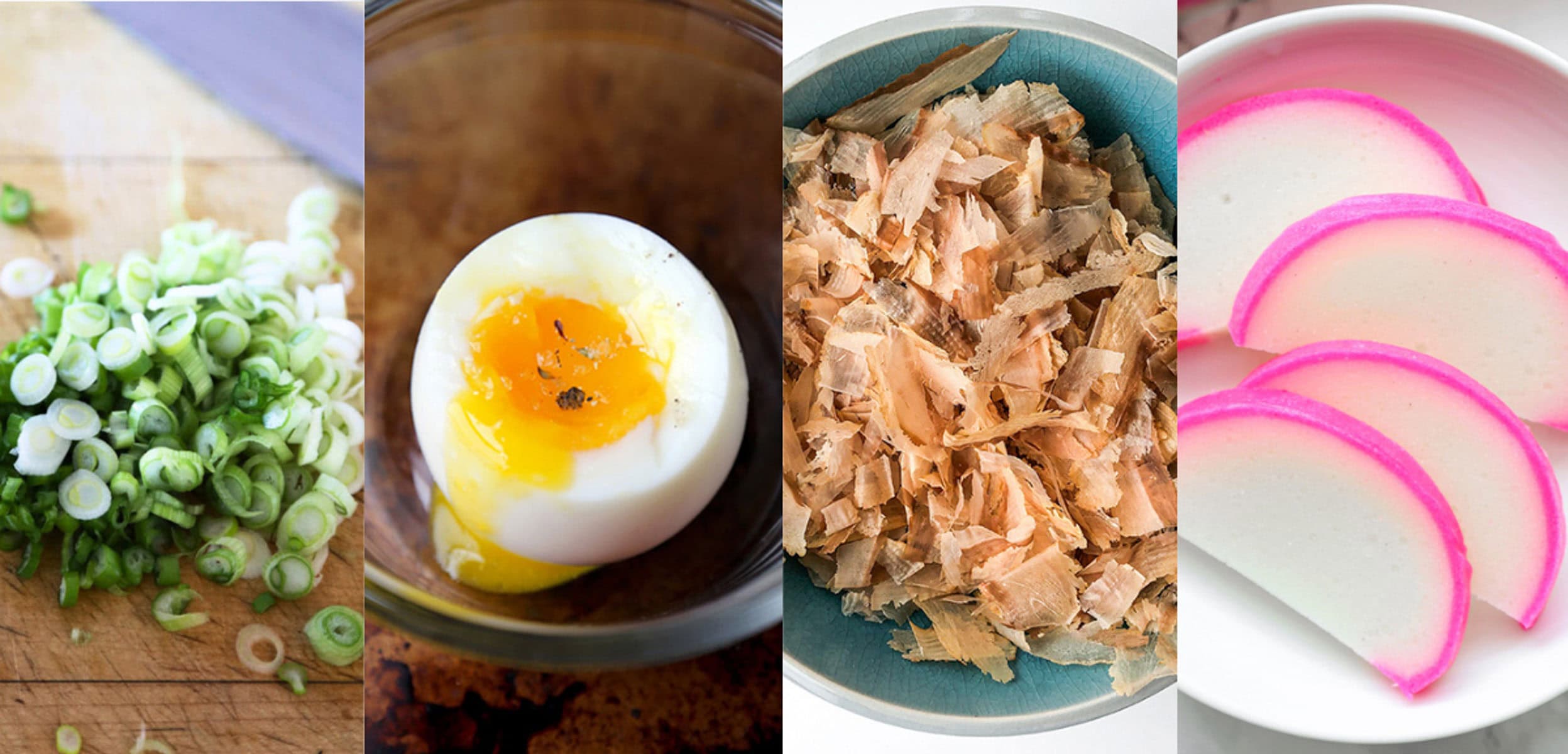
- Cold somen and zaru soba. Use toppings that are fragrant and sharp, such as grated ginger, chopped scallions, wasabi, shredded nori, sesame seeds, and grated daikon. Most of these will be added to the mentsuyu to add depth of flavor.
- Cold udon. Sliced cucumber, wakame, tempura bits, bonito flakes, soft-boiled egg, chopped scallions, and grated daikon all work well.
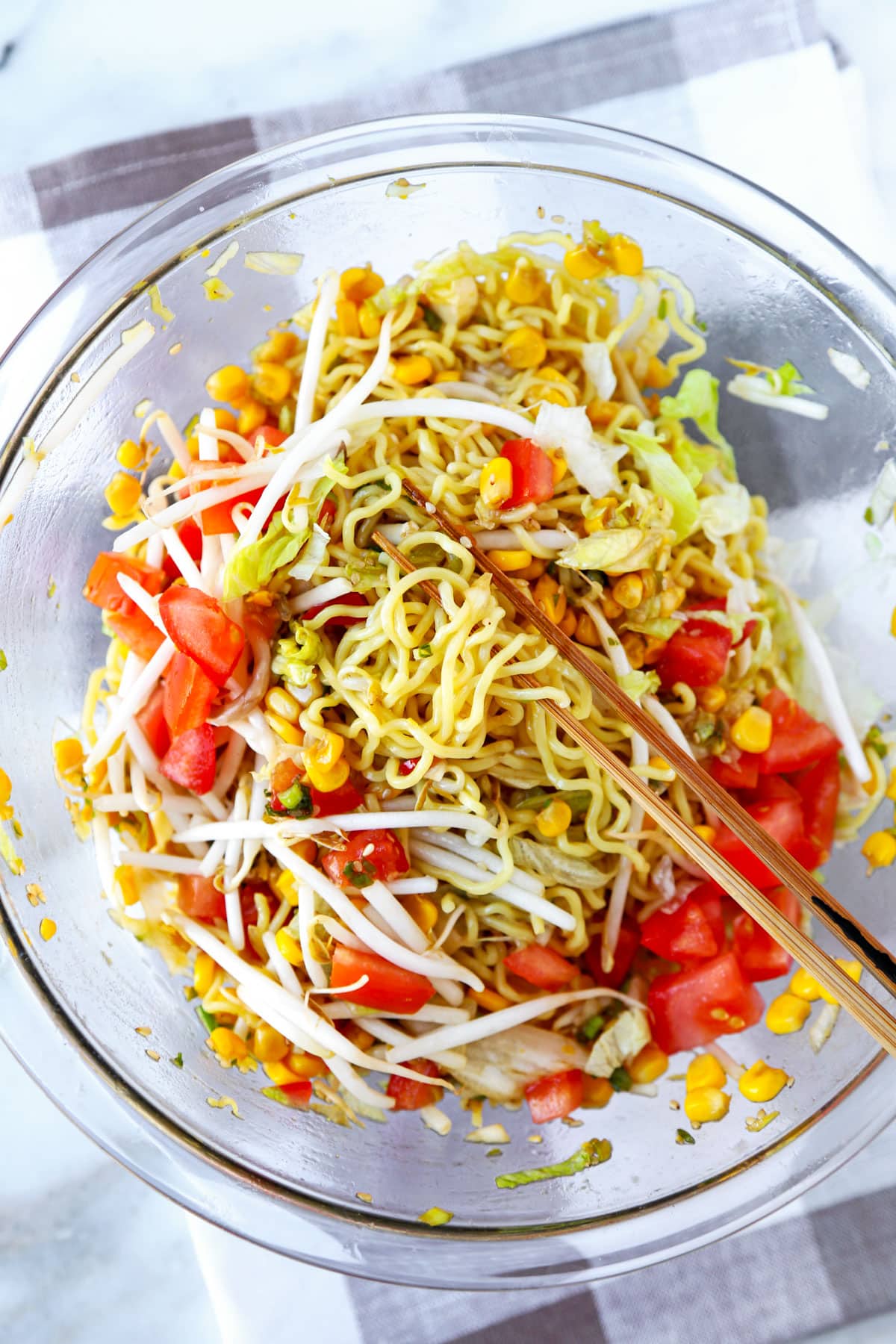
- Hiyashi chuka and chilled Japanese pasta. Colorful toppings are best. Egg ribbons, tomatoes, cucumber, shrimp, imitation crab, tuna, shiso, corn, lettuce, and sesame seeds are favorites.
The key is not to add too much. Cold noodles taste best when the toppings support the noodles instead of covering them.
What To Serve With Cold Japanese Noodles
Cold Japanese noodles can be served on their own, but they are also very good with a few small side dishes.
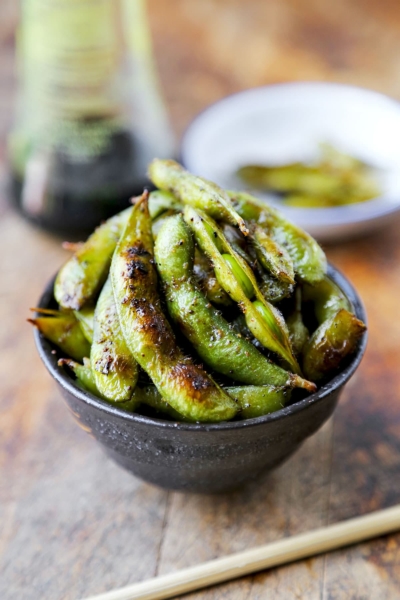
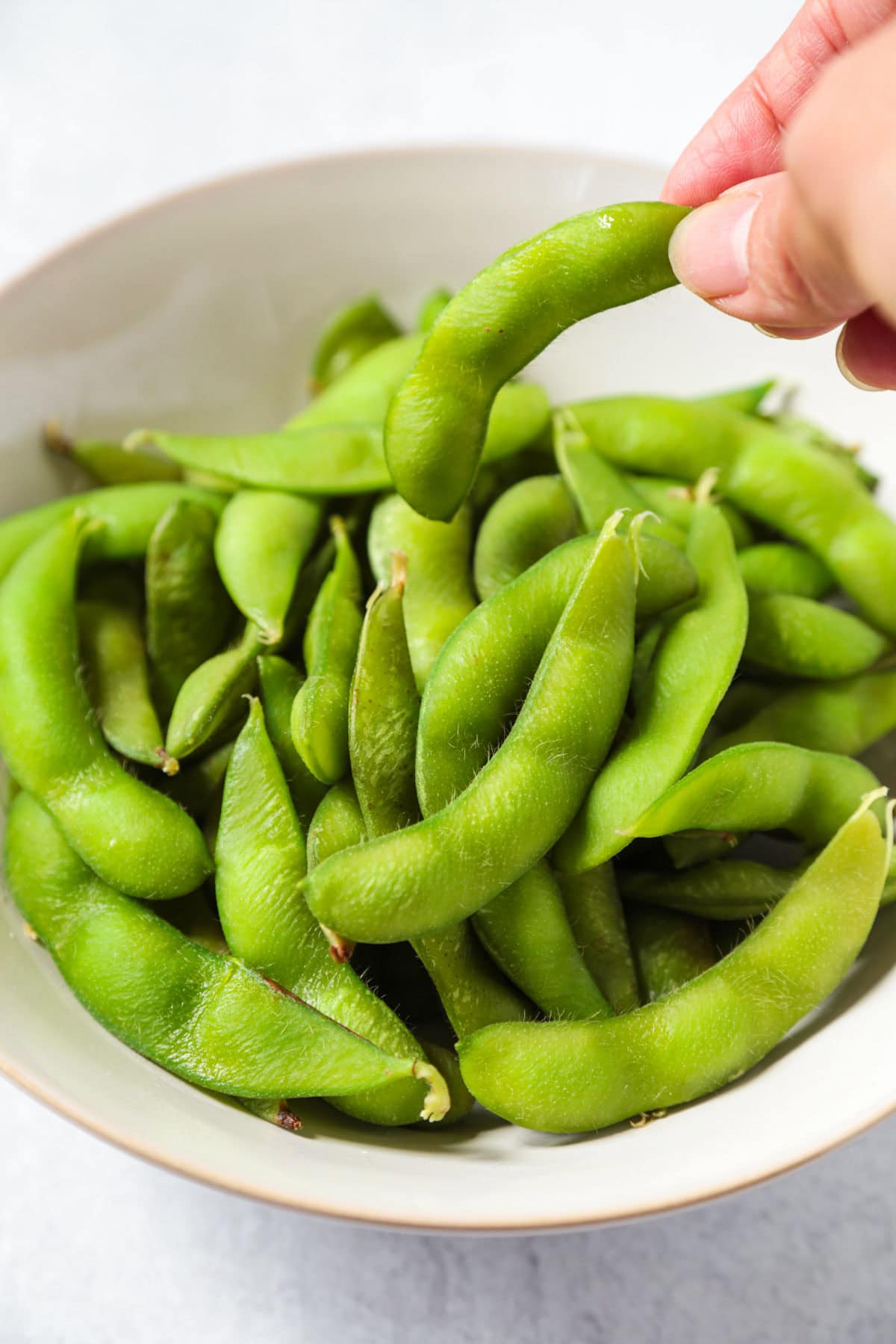
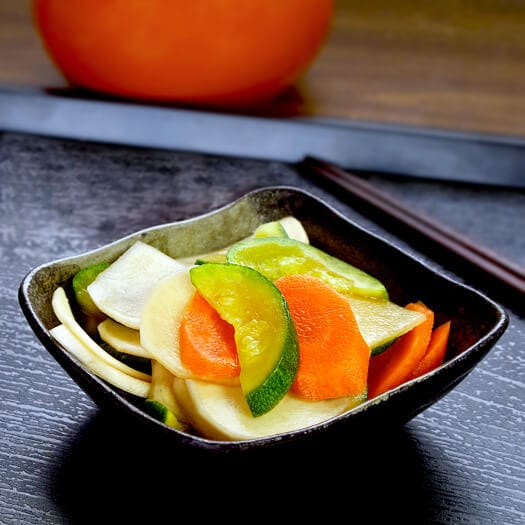
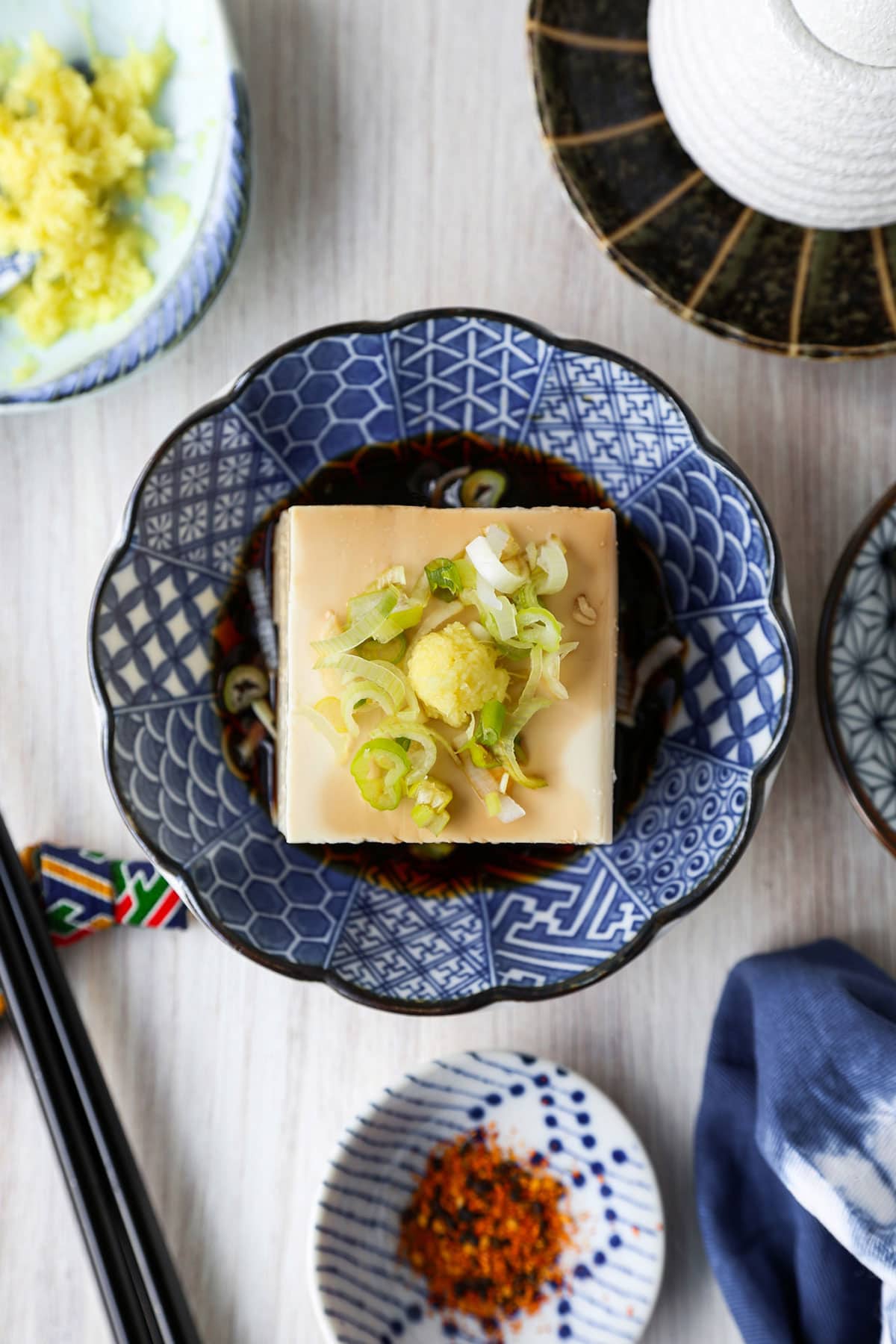
For a light lunch, I like serving somen or zaru soba with edamame, shredded cabbage salad, hiyayakko, gomae, or tsukemono.
For a more filling meal, bukkake udon and hiyashi chuka pair well with takoyaki, Japanese potato salad, or onigiri.
For more ideas on easy sides that pair well with these noodles, take a peek at these 29 Japanese side dishes.
Tips for Making Cold Noodles Taste Better
- Rinse the noodles well. This removes extra starch and keeps the noodles from tasting gummy. Use cold running water and gently rub the noodles with your hands until they feel clean.
- Do not overcook the noodles. Cold noodles should have a little bounce. Somen noodles cook very quickly, so start checking them early.
- Chill the sauce before serving. Cold noodles taste better when the sauce, broth, or dipping liquid is cold too.
- Prep the toppings first. Once the noodles are cooked and rinsed, the dish should be assembled fairly quickly.
- Serve the noodles soon after rinsing. Cold noodles can stick together or dry out if they sit too long.
Frequently Asked Questions
You can prepare the sauce and toppings ahead of time, but the noodles are best cooked close to serving time so the texture is just right.
Spaghetti works well for chilled Japanese-style pasta, but it will not have the same texture as somen, soba, or udon. If you are making hiyashi chuka and cannot find ramen noodles, thin spaghetti can work in a pinch, but the dish will taste more like a chilled wafu pasta.
Rinse the noodles well under cold running water after cooking. This removes excess starch and helps the noodles stay separate. For noodle salads or chilled pasta, you can toss the noodles with a small amount of neutral oil or sesame oil.