This Japanese sesame dressing has it all – it’s creamy, nutty, sweet, and full of umami. It’s so good I always keep a bottle in my fridge!
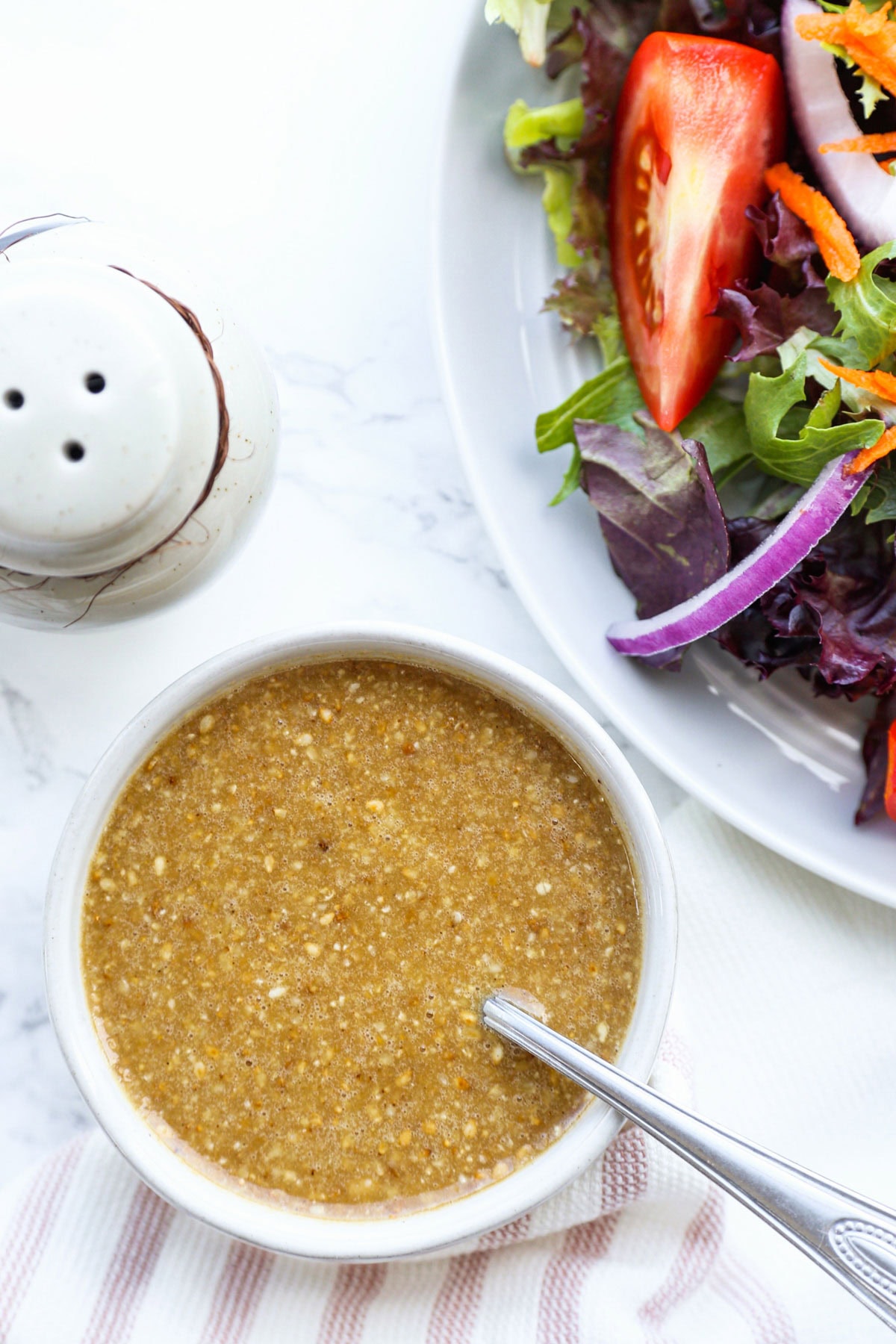
Japanese sesame dressing, also called goma dressing (goma means sesame in Japanese), is a popular dressing made of toasted sesame seeds or sesame paste (nerigoma), toasted sesame oil, rice vinegar, soy sauce, and sugar. The flavor profile is creamy, nutty, tangy, and a little sweet.
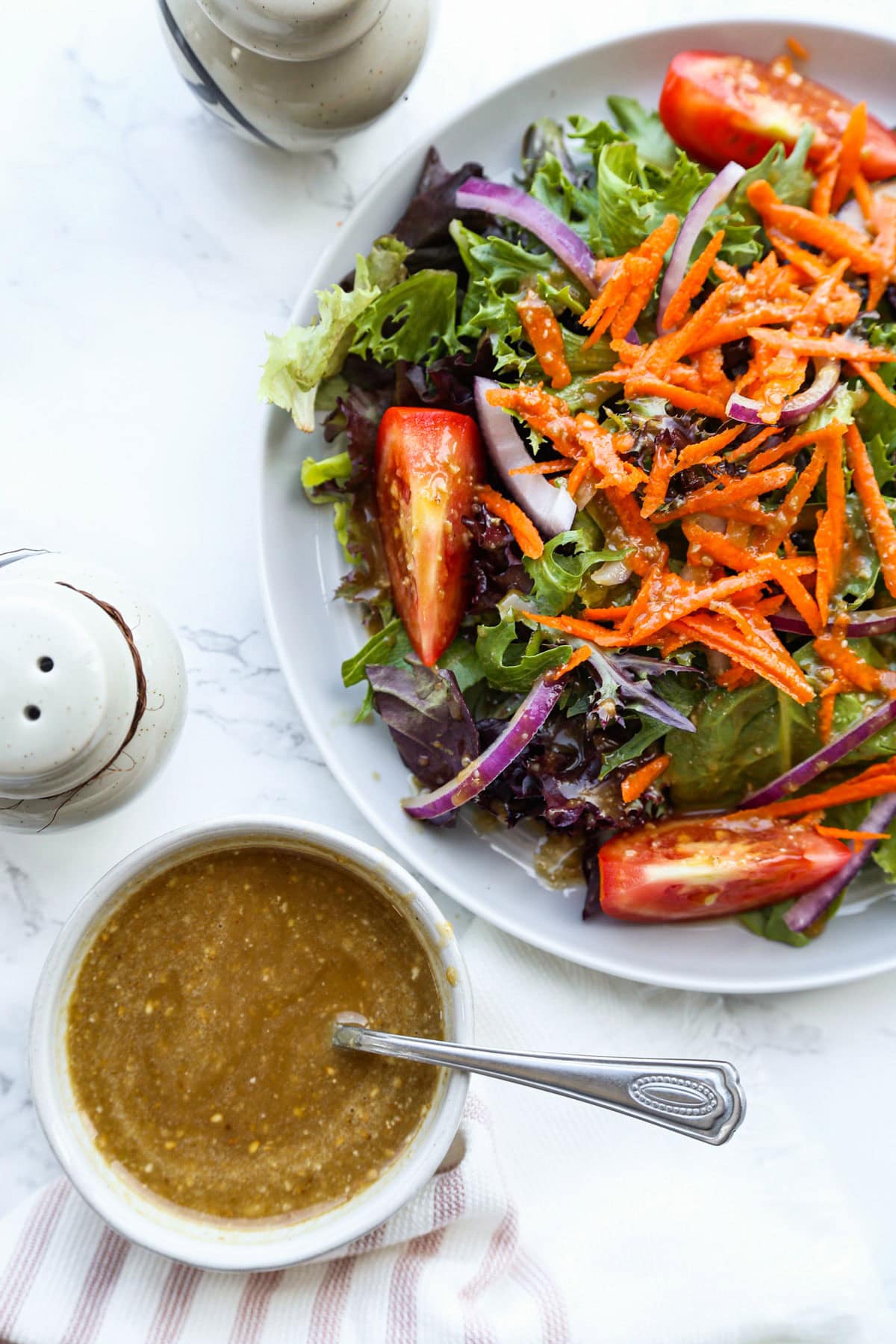
This dressing isn’t just for leafy salads — it can be served as a dipping sauce for noodles, a flavor booster for your favorite protein, with various vegetables, and the list goes on! This recipe has the classic flavors found in sesame dressings across Japan and doesn’t contain any dairy.
If you are looking for a lighter, tangier option, try this Japanese soy garlic dressing or miso dressing. Or, if you’d like to try different Japanese flavors, check out my Japanese salad dressings guide.
Table of contents
What is Sesame Dressing?
Sesame dressing is a popular Japanese salad dressing that’s primarily used for green salads and tomato salads. Ingredient combinations can vary but you will usually find toasted sesame oil, sesame seeds, rice vinegar, sugar, and salt, as common ingredients. Sesame dressing is used for salads, cold pasta dishes, and can also be used as a marinade to meats, seafood, and tofu.
While Japanese restaurants in the Western world like to dress their green salads with carrot ginger dressing, in Japan you will find that sesame dressing is the more popular choice.
Ingredients for Japanese Sesame Dressing
- Sesame paste: Sesame paste, or tahini, adds nuttiness and creaminess to the dressing.
- Water: A little water is needed to dilute the flavors and thin the dressing.
- Soy sauce: A dash of soy sauce for some umami and earthiness.
- Sugar: I’m using cane sugar but feel free to use granulated sugar or light brown sugar.
- Rice vinegar: Rice vinegar adds tanginess and brightens up the overall taste of the dressing. Apple cider vinegar can also be used as an alternative.
- Extra virgin olive oil: Using a high quality extra virgin olive oil adds a spicy and floral element to the dressing. However, it’s also perfectly fine to use something neutral like grapeseed oil or vegetable oil.
- Toasted sesame oil: You can use regular sesame oil but I encourage you to shop for a good toasted sesame oil. The flavors are much more intense and come with a hint of smokiness.
- Salt: A little salt to balance out the flavors. In this case, I found that using ¾ teaspoon was just the right amount.

How to Make Japanese Sesame Dressing
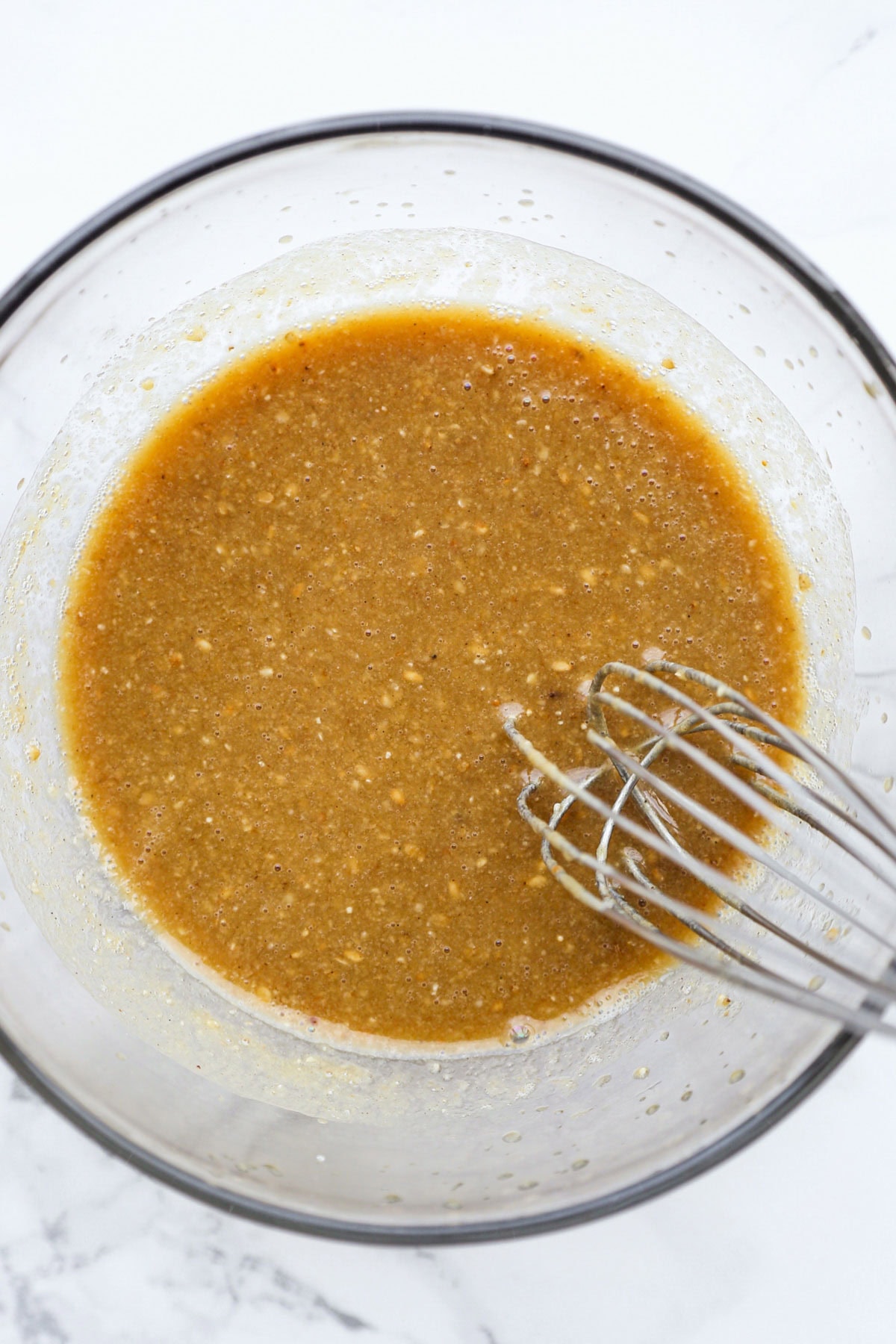
- Whisk all of the ingredients together in a bowl until the sugar has dissolved. You can also use a salad dressing shaker bottle and shake until the sugar has dissolved.
- The dressing is ready to use but I recommend chilling it in the fridge for at least 1 hour if you are planning to use it on a salad. Salads always taste better when all the ingredients are fresh and cold.
To make sesame ginger dressing:
Add 1-2 tablespoons grated ginger to the recipe for a little heat.
Storage
Keep this sesame dressing refrigerated in a glass jar or other storage container. It will keep for about 2 weeks.

How to Use Sesame Dressing
Just like the popular wafu dressing and refreshing ponzu, sesame dressing is extremely versatile. It goes well with more than just a classic green salad, adding a lovely pop of brightness and something refreshing.
- Classic leafy salads: Use as a dressing for simple chopped salads and noodle salads.
- Cold noodle salads: Drizzle over chilled somen, soba, or rice noodles.
- Marinade: Use as a light marinade for grilled chicken, tofu, or salmon.
- Vegetable side: Use it as a sauce for steamed or roasted vegetables like green beans or broccoli for a quick side dish.
- Dipping sauce: Great as a dipping sauce for dumplings, gyoza, or spring rolls.
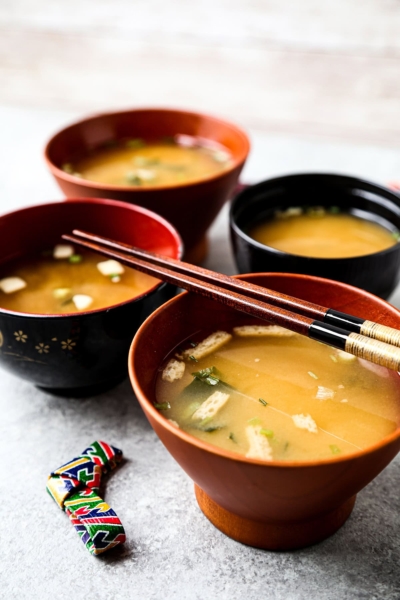
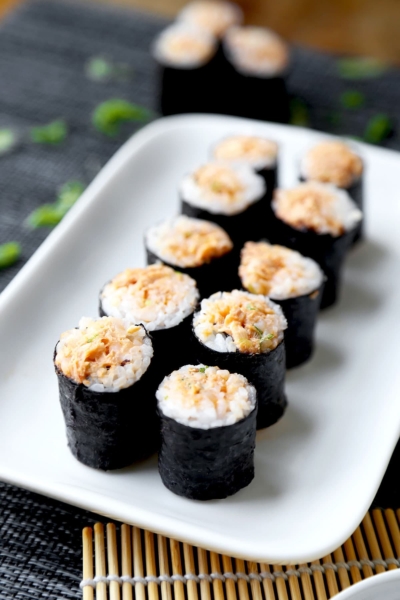
Planning to use this dressing with a small green salad? Why not pair it with other Japanese inspired dishes such as miso soup, spicy tuna roll, baked chicken katsu, miso ramen, tuna mayo onigiri, or salmon teriyaki donburi.
For a broader look at Asian sauces and dressings, visit our Sauces, Dressings & Seasonings category.
Did you like this recipe? Are there changes you made that you would like to share? Share your tips and recommendations in the comments section below!
PrintJapanese Sesame Dressing (Restaurant Style)
5 minutes is all you need to make this creamy, nutty, umami, and sweet Japanese sesame dressing.
- Prep Time: 5 minutes
- Total Time: 5 minutes
- Yield: about 1/2 cup 1x
- Category: Dressing
- Cuisine: Japanese
Ingredients
- 2 tablespoons sesame paste or tahini
- 3 tablespoons water
- 1 tablespoon soy sauce
- 2 tablespoons cane sugar
- 2 1/2 tablespoons rice vinegar (or apple cider vinegar)
- 1 tablespoon high quality extra virgin olive oil
- 1 teaspoon toasted sesame oil (regular sesame oil is also okay)
- 3/4 teaspoon salt
Instructions
- Whisk all the ingredients in a bowl until the sugar has dissolved. Or shake the ingredients in a salad dressing shaker.
- Use immediately or chill in the fridge for at least 1 hour(I prefer to let the dressing chill before using it as I find it makes the salad colder and fresh tasting).
Notes
Storing the sesame dressing
Keep the dressing refrigerated in an airtight storage container, jar, or salad dressing shaker. It will keep for up to 2 weeks.
Nutrition
- Serving Size: 2 tablespoons
- Calories: 77
- Sugar: 4.7g
- Sodium: 365.5mg
- Fat: 5.8g
- Saturated Fat: 0.8g
- Unsaturated Fat: 1.7g
- Trans Fat: 0g
- Carbohydrates: 6.1g
- Fiber: 0.3g
- Protein: 1.1g
- Cholesterol: 0mg
Frequently Asked Questions
Absolutely! I often make it a day or two before I need it and keep it in the fridge. Just give it a good shake before serving as the ingredients might separate.
Crisp greens such as iceberg lettuce, romaine lettuce, and shredded cabbage go really well with this dressing.
Yes you can make this recipe oil-free by swapping the oil for water. You may need to add a little more sesame paste to intensify the sesame flavor since toasted sesame oil is quite strong. Also, keep in mind that the texture of the dressing won’t be the same – the oil gives the dressing its smooth and silky texture.
Yes you can, and you can also use pure maple syrup. These two sweeteners have depth of flavor (spices, flower, toffee) that sugar doesn’t have, so the overall taste will be a little different.








Hi Caroline, I stumbled across your site and I like what I see. so I subscribed. I have been looking for a sesame salad dressing recipe for some time now. I love the taste of toasted sesame oil and sesame paste or sesame butter. tahini is NOT the same! I just don’t have recipes on how to use it. So, thank you for sharing this recipe. I am going to make it soon! I will come back with my opinion about it. which I am sure will be amazing. I appreciate all your work and sharing. Thanks
Hi Theresa! I hope you like this dressing, it’s not creamy like sesame paste but very nutty and savory 🙂
This is now a firm favourite, great with a chicken soba noodle and vegetable salad. Ginger finishes it nicely and a touch of siracha sometimes added. Thank you!
This is wonderful! Tastes similar to our favorite Japanese restaurant. I am going to serve it as they do, on a salad of iceberg lettuce, cucumber slices, a few cherry tomatoes and some steamed broccoli. Thank you so much!
Thank you Ginny! 🙂
Hi, is it ok to use lemon juice if I have neither ride vinegar nor apple cider vinega
Hi Janet! I would hold off on making this dressing if you don’t have rice or apple cider vinegar as lemon juice might end up being too sour.
Delicious and simple recipe. I’ll probably use one tablespoon of sugar the next time I make it. Thank you!
Delicious!
First, thank you for your delicious Asian food blog. Your Ginger Carrot dressing is delicious.
Regarding JAPANESE SESAME DRESSING (RESTAURANT STYLE)
I believe there is an error maybe in the amount of olive oil used? I don’t see these ingredients adding up to 3/4 cup.
Thanks for looking at it.
Thank you Renee for spotting the mistake! It’s closer to half a cup 🙂