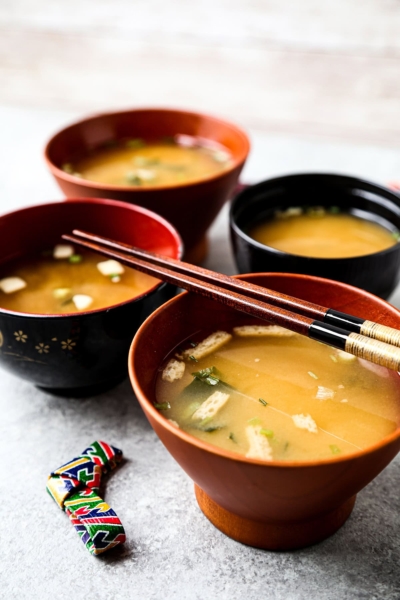
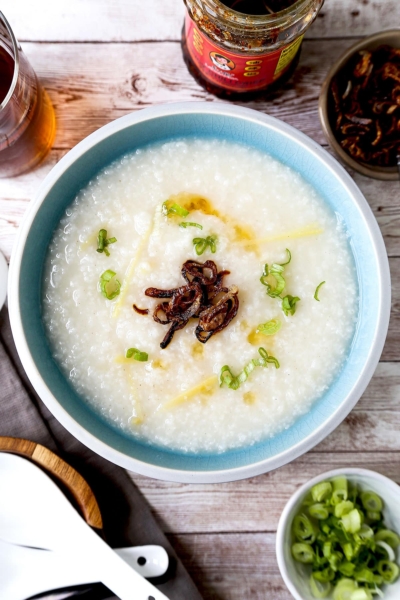
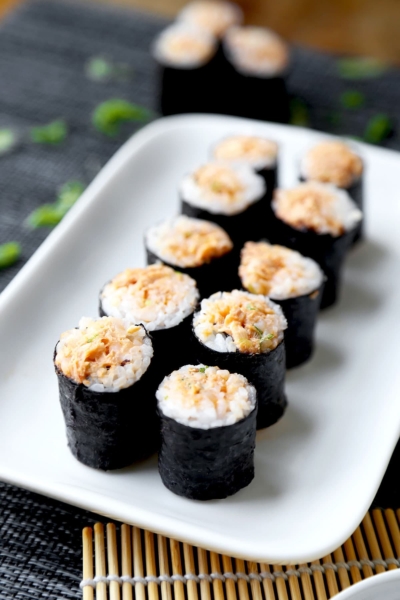
These Asian Christmas dinner recipes bring plenty of bold, comforting flavors to the holiday table. Some put an Asian spin on familiar Christmas favorites, while others are dishes traditionally enjoyed during celebrations and the New Year.
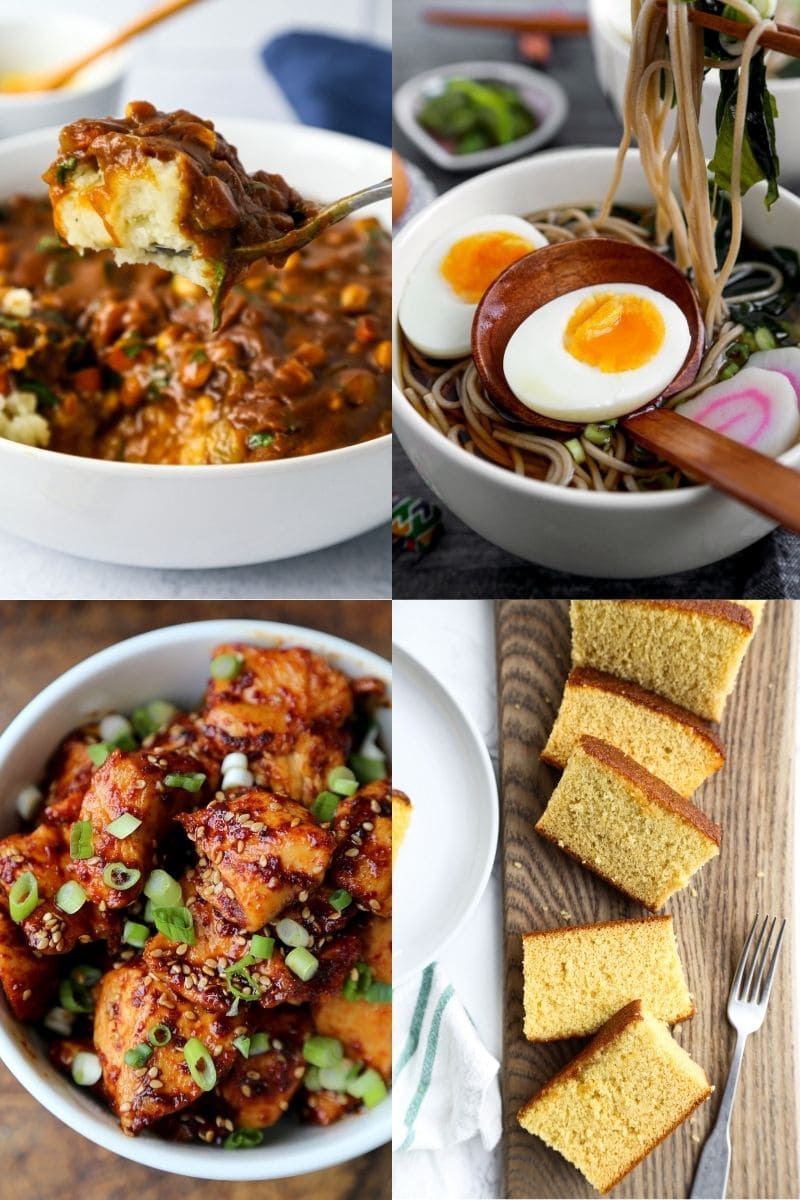
Christmas dinner at our house abandons the rigid rules of turkey and stuffing. Instead, you will find a table where rich miso salmon sits comfortably next to classic mashed potatoes, and savory Korean japchae shares space with traditional green beans.
Some of these dishes are deeply rooted in tradition, while others are familiar holiday sides that I have playfully adapted to suit our actual tastes. Nobody eats a perfectly coordinated, textbook meal here—and frankly, it works beautifully!
This collection brings together the recipes that define our holidays. Some are vibrant enough to earn a permanent spot next to a classic centerpiece, while others are special dishes our family and friends reserve strictly for welcoming the New Year.
Planning something more casual, like a party with grazing food instead of a sit-down dinner? My Asian Christmas Appetizers and Party Food Ideas is a good starting point.
Table of contents
Starters and Small Plates
You don’t need many appetizers to complement your holiday dinner. One colorful sushi platter or a hot savory pancake is plenty to get everyone started without spoiling what’s next.
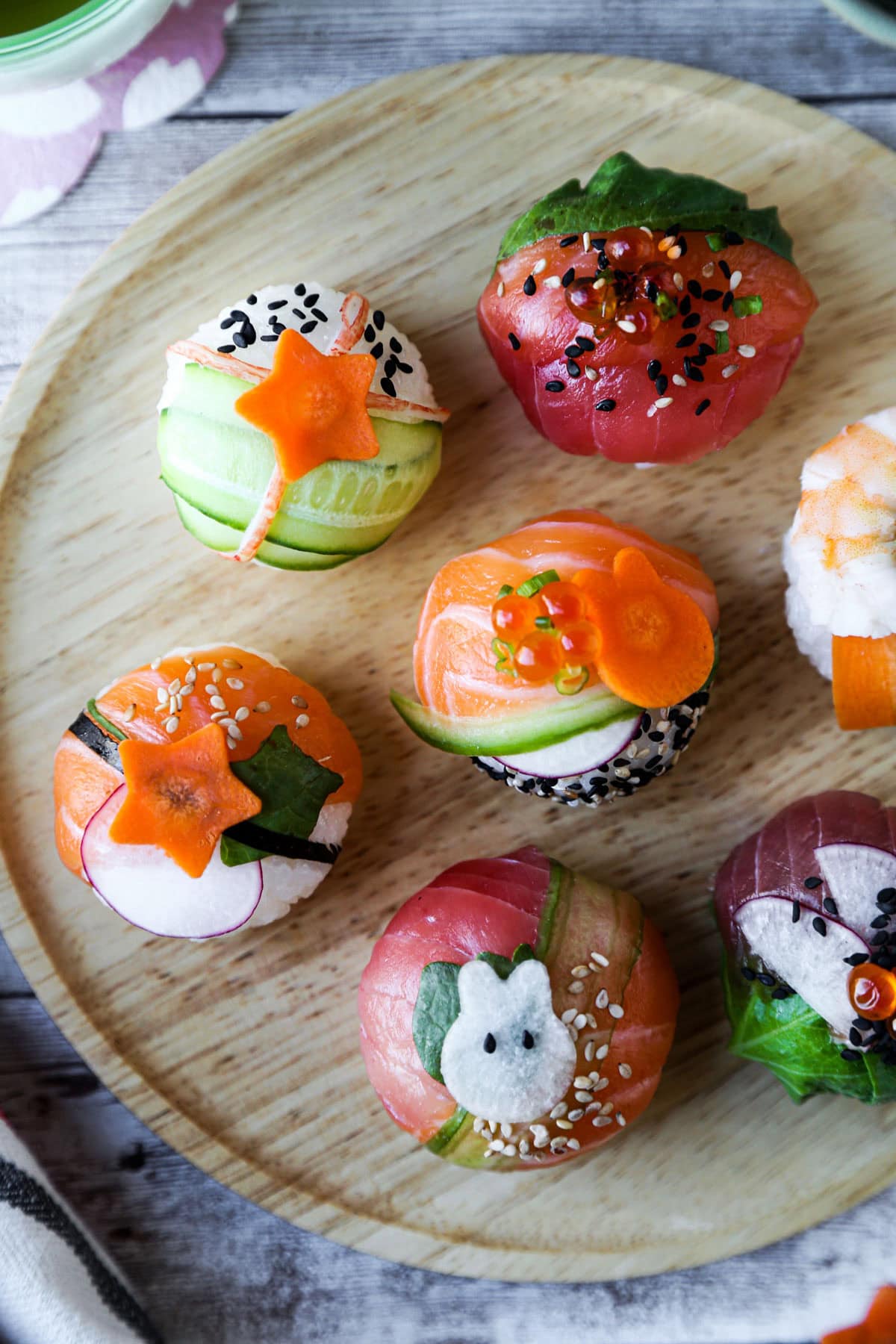
Temari Sushi
These colorful little sushi balls practically decorate the table for you. Top them with salmon, tuna, shrimp, cucumber, radish, shiso, or whatever catches your eye — the fun is in making every piece a little different. Bite-sized and beautiful, they’re basically built for a celebration.
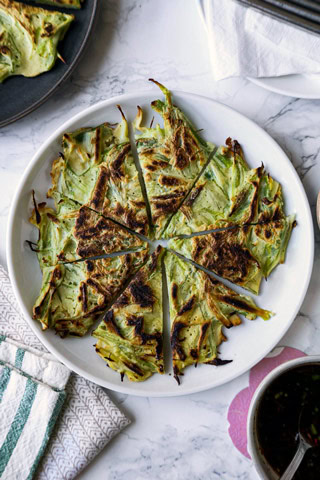
Scallion Pancakes (Pajeon)
Crispy around the edges and pleasantly chewy in the middle, pajeon is loaded with scallions and served with a savory, tangy soy dipping sauce. Jeon is closely tied to Korean gatherings and holiday meals, which makes this a fitting way to open a celebratory dinner. Cut the pancakes into wedges and serve them hot from the pan.
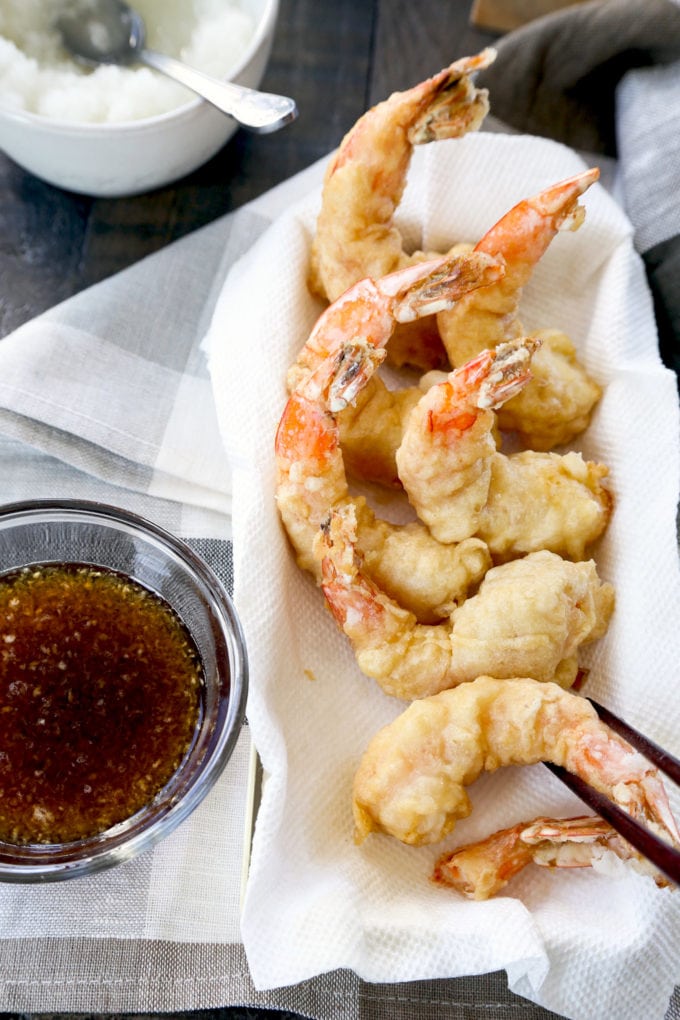
Shrimp Tempura
Plump shrimp tucked inside a feather-light, crunchy coating are always worth the last-minute frying. Serve them hot with tentsuyu or a seasoned salt, and watch them disappear!
Main Dishes
These mains are substantial enough to anchor the meal, even though the flavors are a departure from the usual roast-and-gravy lineup.
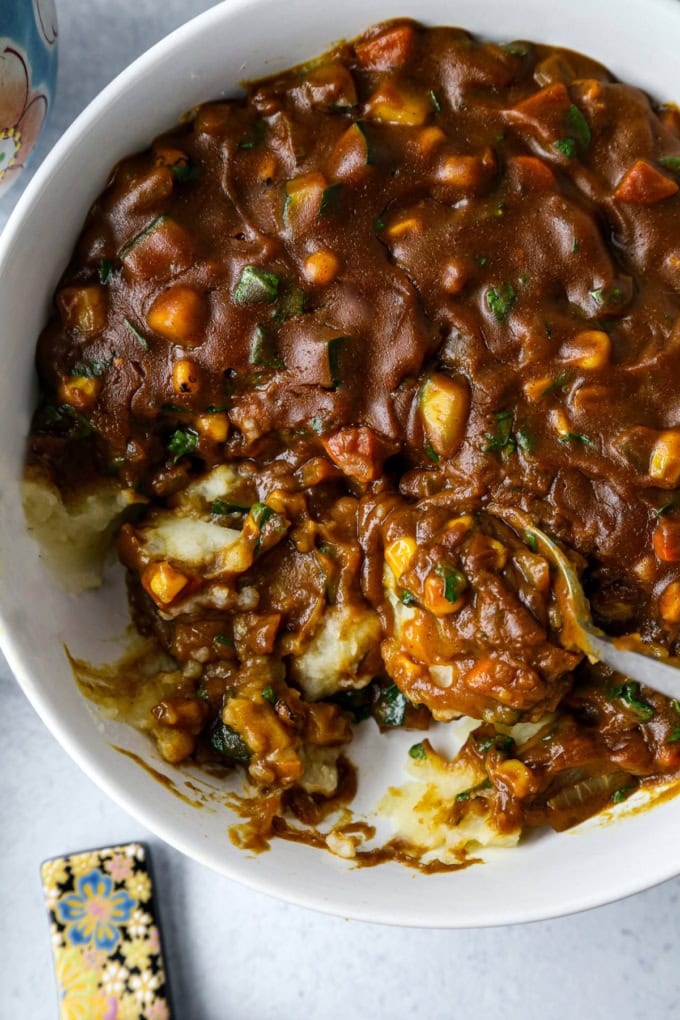
Japanese Curry Over Mashed Potatoes
This combination sounds unusual until the first bite. Thick Japanese curry loaded with vegetables gets spooned over buttery mashed potatoes, giving the dish a cozy, shepherd’s-pie quality while still tasting unmistakably like Japanese curry. If there’s one recipe on Pickled Plum built to bridge Japanese comfort food and a Western holiday table, this is probably it.
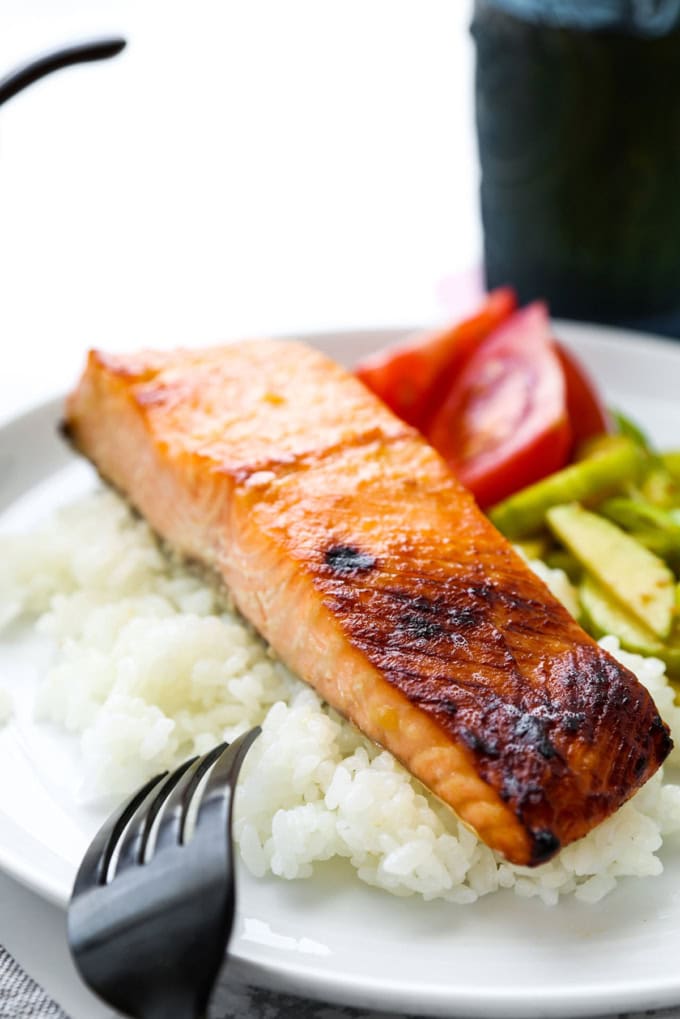
Miso Salmon
Miso, sake, mirin, and sesame oil do wonderful things to salmon. The marinade gives the fish a deep, savory flavor while keeping it incredibly tender — almost melt-in-your-mouth.
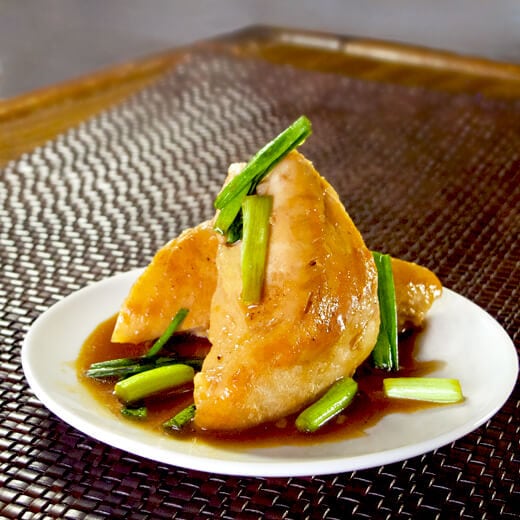
Teriyaki Chicken
Teriyaki chicken has all the glossy, caramelized appeal of a good holiday main without requiring hours in the oven. My version leans more savory and smoky than sweet, with a simple sauce that coats the chicken beautifully.
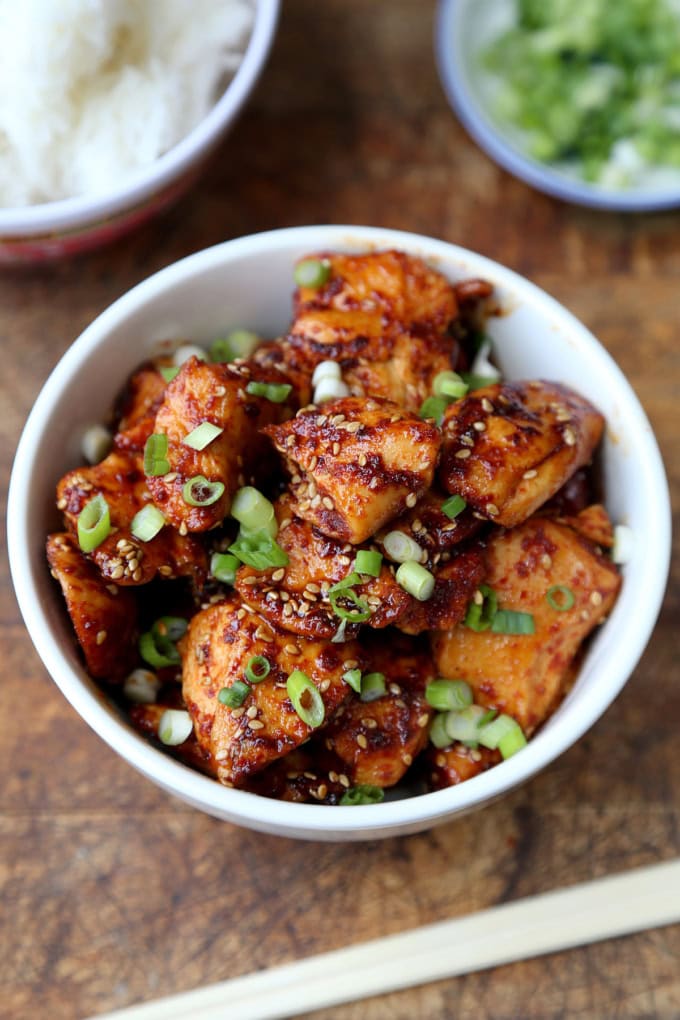
Korean Sticky Chicken
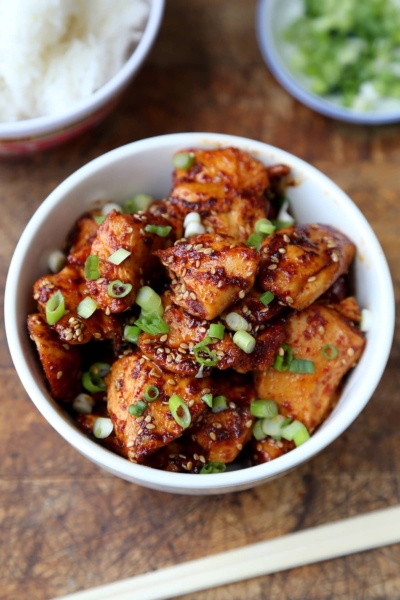
This one’s for anyone who wants a little heat on the table. Tender pieces of chicken get tossed in a sticky sauce of honey, soy sauce, rice vinegar, and Korean chili flakes — sweet, savory, peppery, and impossible not to keep picking at. Serve it family-style with rice and a few vegetable sides.
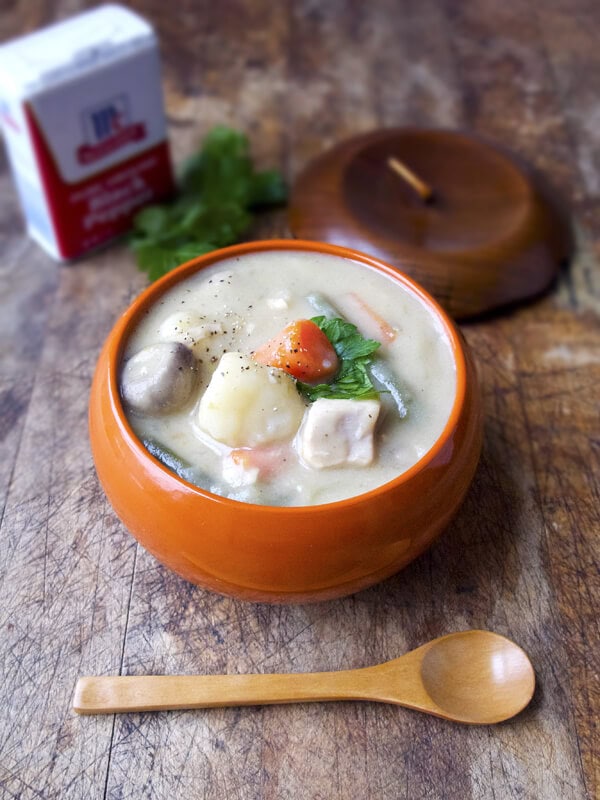
Japanese Cream Stew
White cream stew is a classic Japanese dish of chicken and vegetables cooked in a cream and butter based sauce. It’s hearty, comforting and incredibly tasty!
Celebration Noodles and Japanese New Year Dishes
Long noodles and mochi carry real meaning during celebrations across Asia. These recipes are especially good if your gatherings stretch through New Year’s Eve and New Year’s Day.
For more noodle recipes, check out my Easy Asian Noodle Recipes collection.
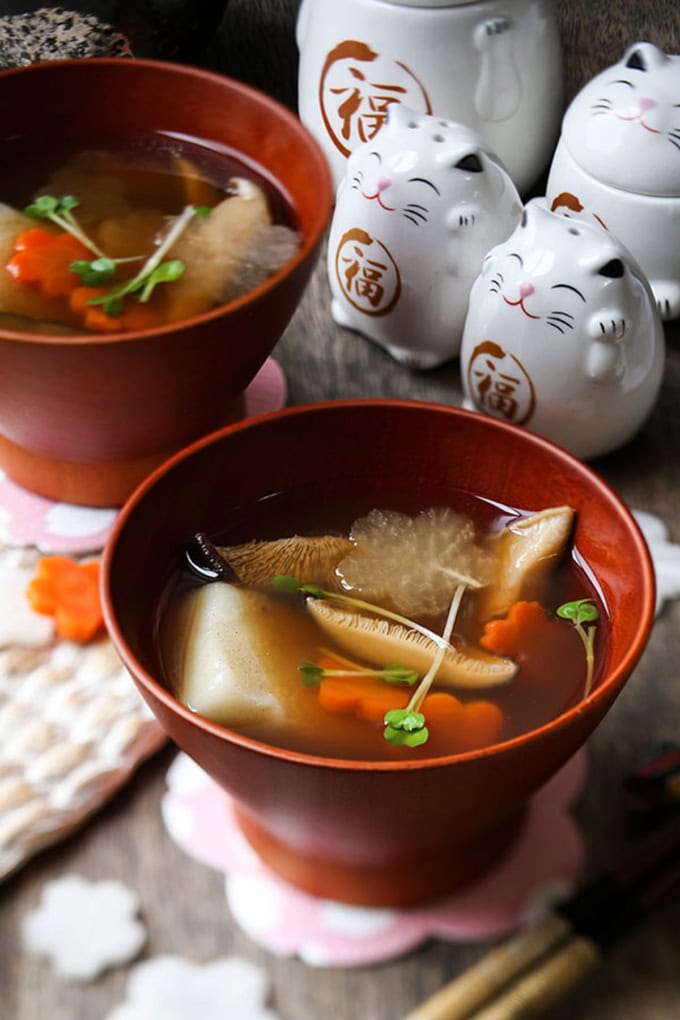
Ozoni – New Year Mochi Soup
Ozoni is one of the dishes I most associate with Japanese New Year. My Kanto-style version has a clear dashi and kombu broth filled with chewy mochi, shiitake mushrooms, daikon, carrots, and greens. In Japan, it’s traditionally served on New Year’s Day, with families keeping their own regional and household variations — mine is delicate, comforting, and very mochi-forward, exactly how I like it.
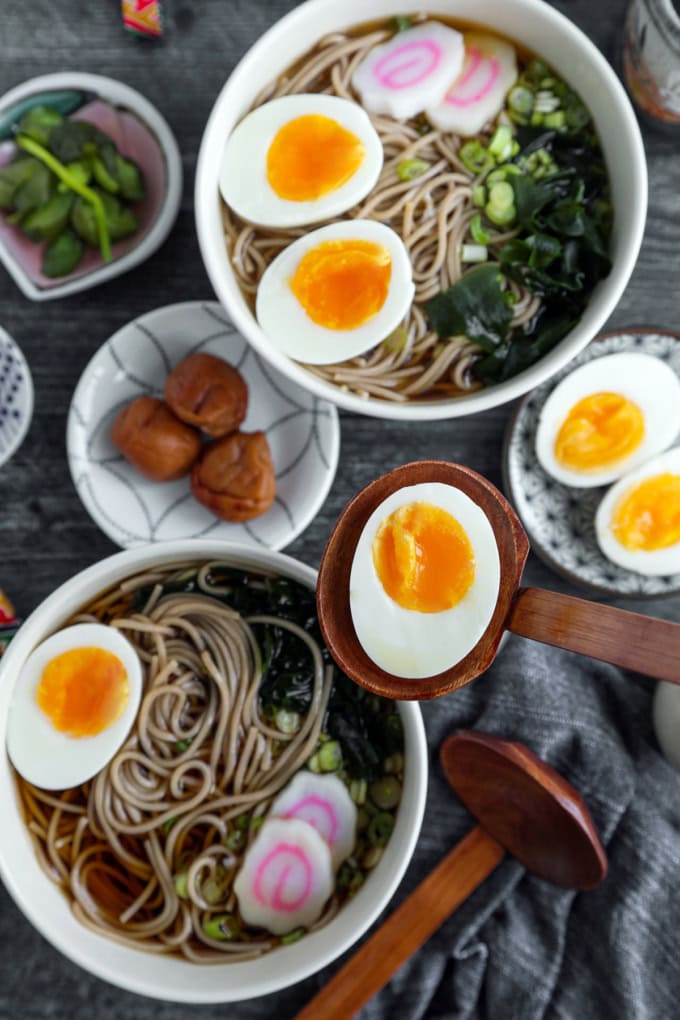
Toshikoshi Soba (New Year Soba)
These Japanese buckwheat noodles are traditionally eaten on New Year’s Eve as the old year gives way to the new one. My version comes with a savory broth, eggs, scallions, fish cakes, and wakame — and much of it can be prepped ahead, leaving only the noodles to cook before serving.
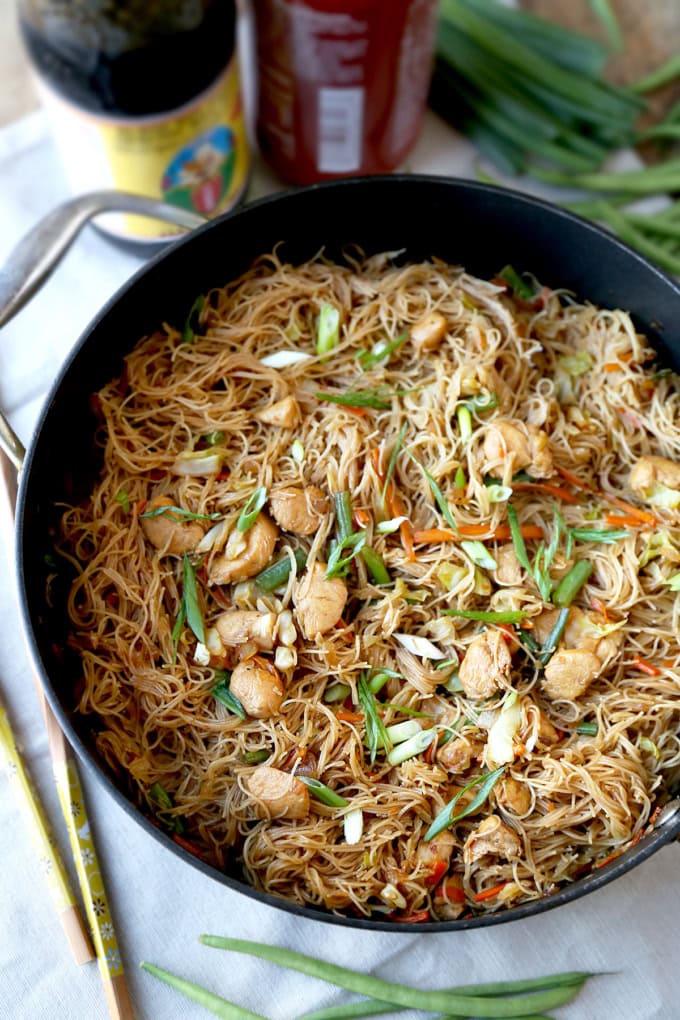
Bihon Pancit
A large platter of Filipino pancit looks right at home at any gathering. Thin rice noodles cook with chicken and vegetables in a savory sauce, filling without being heavy. Pancit is strongly tied to celebrations in the Philippines, where long noodles are traditionally connected to long life.
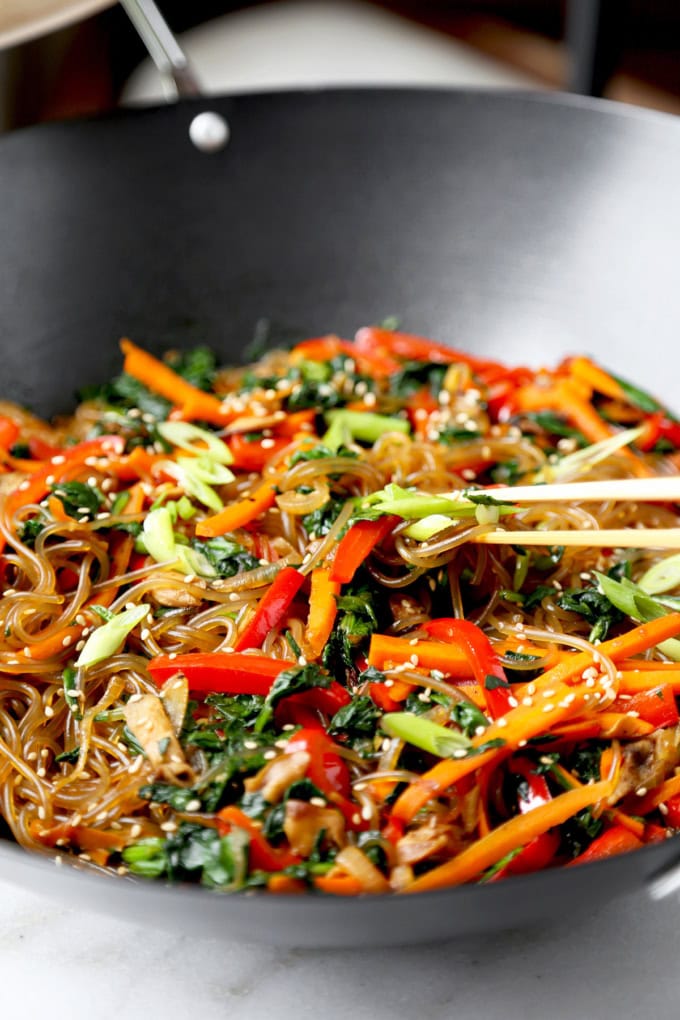
Japchae
Glossy sweet potato noodles get tossed with vegetables in a sweet and savory soy-sesame sauce. The chewy noodles, colorful vegetables, and nutty sesame flavor make japchae especially good on a table crowded with other dishes — and it’s closely associated with Korean celebrations and special occasions.
Sides
These are the dishes that take familiar Christmas ingredients — potatoes, carrots, green beans — and give them a Japanese treatment: dashi instead of stock, miso instead of butter, sesame instead of herbs.
Looking for more ways to round out the meal? Browse my Asian Side Dishes for more vegetable dishes, salads, and other delicious accompaniments.
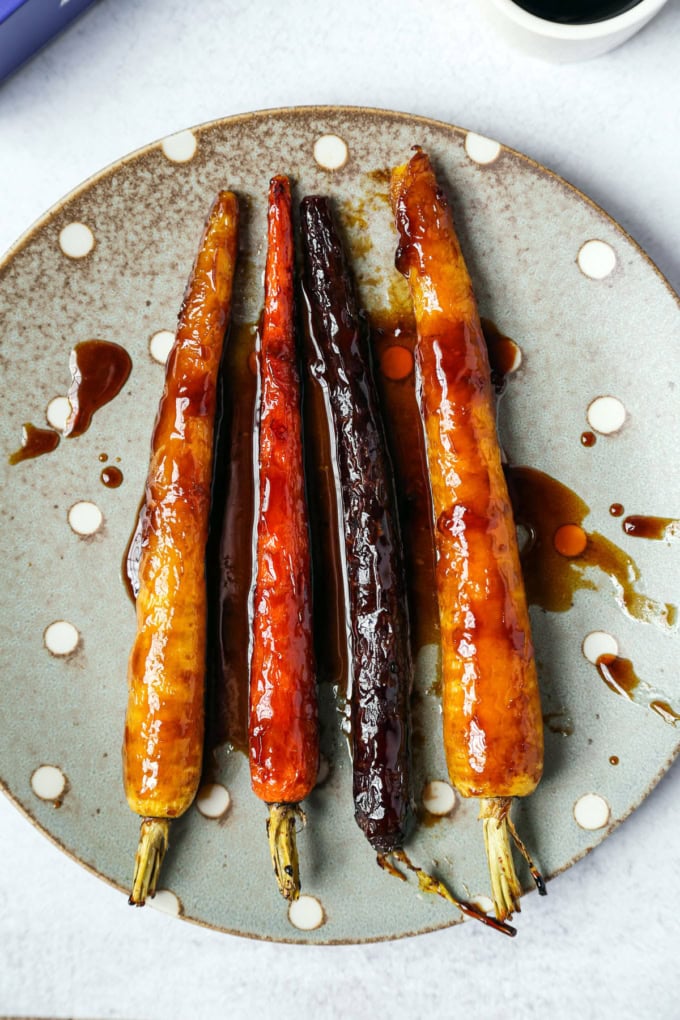
Roasted Teriyaki Glazed Carrots
Rainbow carrots already bring plenty of color to the table, and roasting makes their natural sweetness even better. A three-ingredient teriyaki glaze caramelizes around the carrots as they cook, adding a salty-sweet finish and beautifully browned edges.
They’re familiar enough for a traditional holiday dinner but much more interesting than plain roasted carrots.
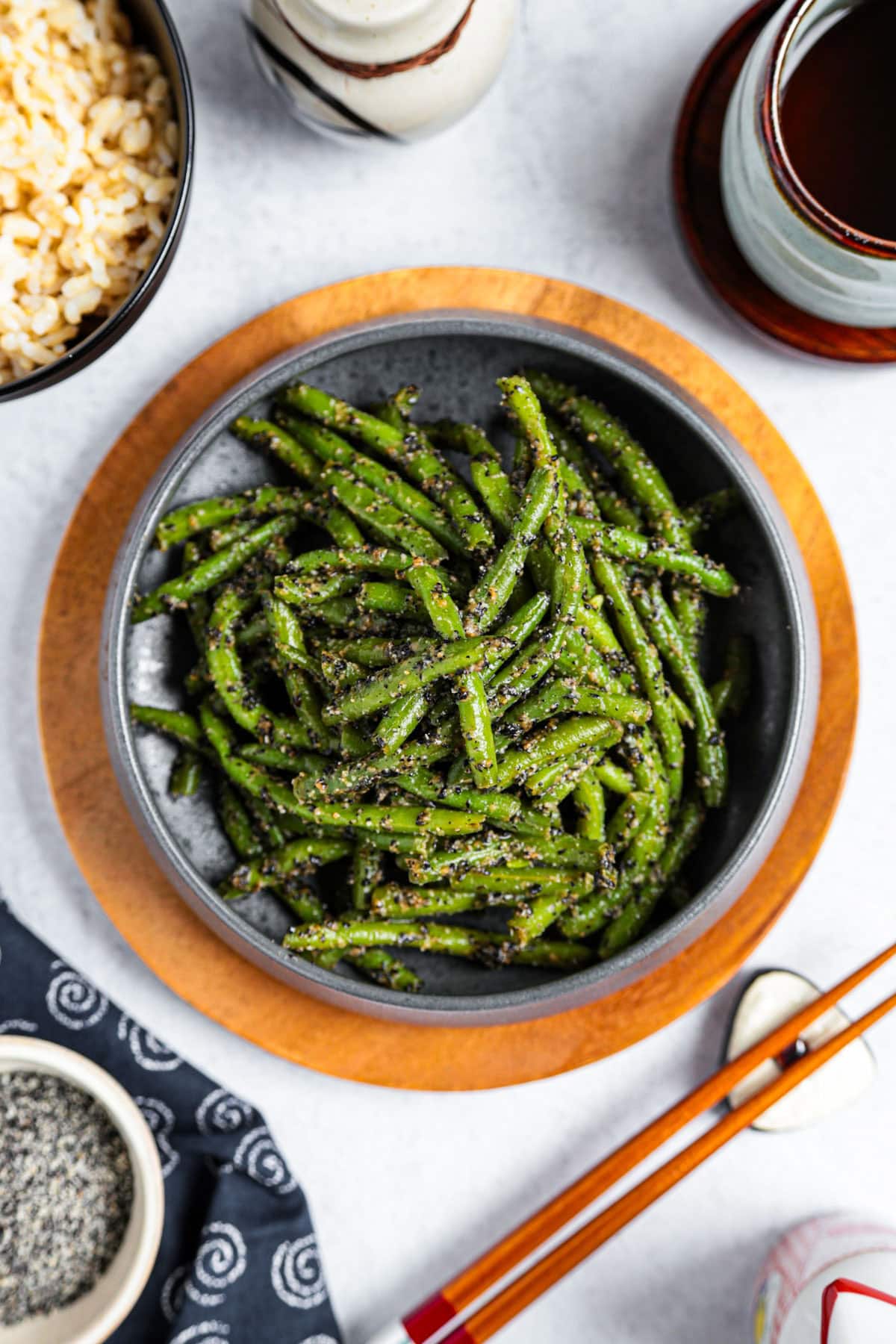
Green Beans with Black Sesame Sauce
Blanched green beans tossed in a sauce of white miso, ground black sesame, and a little honey. This is one of the few dishes on the list that’s genuinely better cold or at room temperature, which makes it a good side to prep the day before.
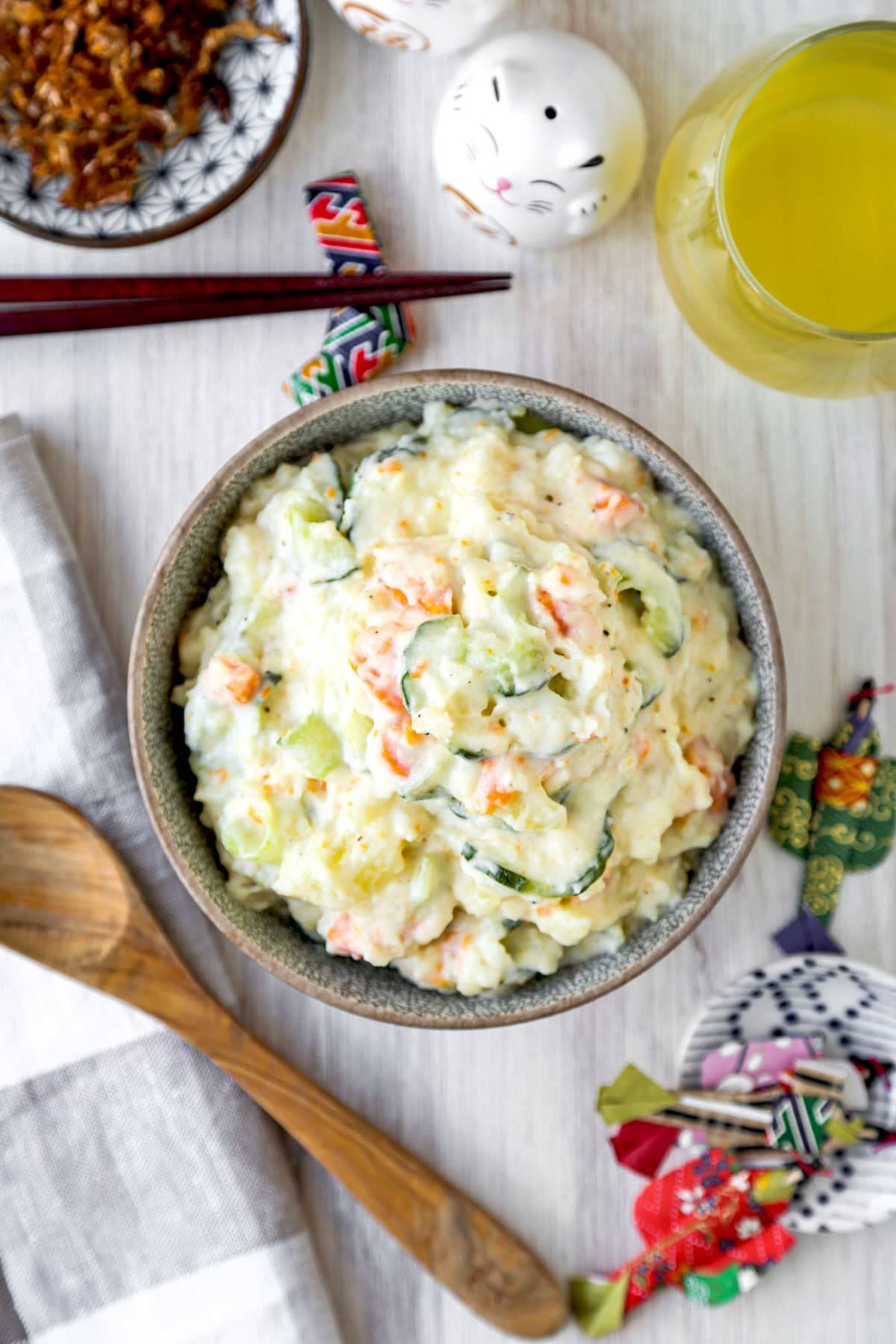
Japanese Potato Salad
This one has a real Christmas connection for me. My mother used to bring her Japanese potato salad to Christmas dinners and potlucks when I was growing up, and it’s still the version I think of whenever I make it.
Kewpie mayonnaise makes it creamy and savory, while carrots add sweetness and quick-pickled cucumber gives every bite a little crunch and tang.
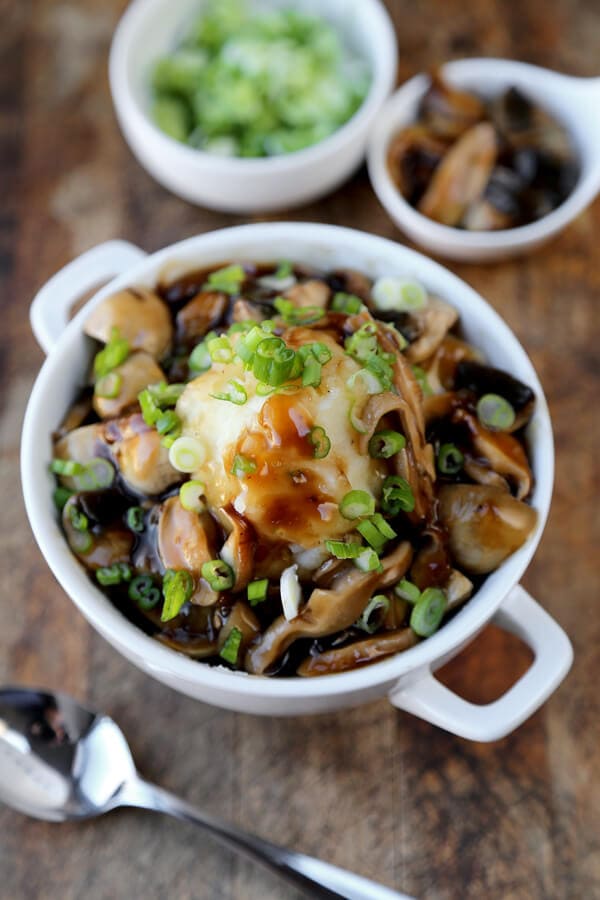
Japanese Mashed Potatoes with Mushroom Gravy
Mashed potatoes and gravy already have a permanent seat at many Christmas dinners, so this version doesn’t need much convincing. The fluffy potatoes are topped with a rich mushroom gravy made with button and shiitake mushrooms, dashi, soy sauce, and mirin.
It has all the earthy comfort you want from mushroom gravy, but with a distinctly Japanese layer of umami.
Desserts
After a table full of bold savory food, I like desserts that don’t feel overwhelmingly heavy. These three are genuinely delicious, and each brings something different to the end of the meal.
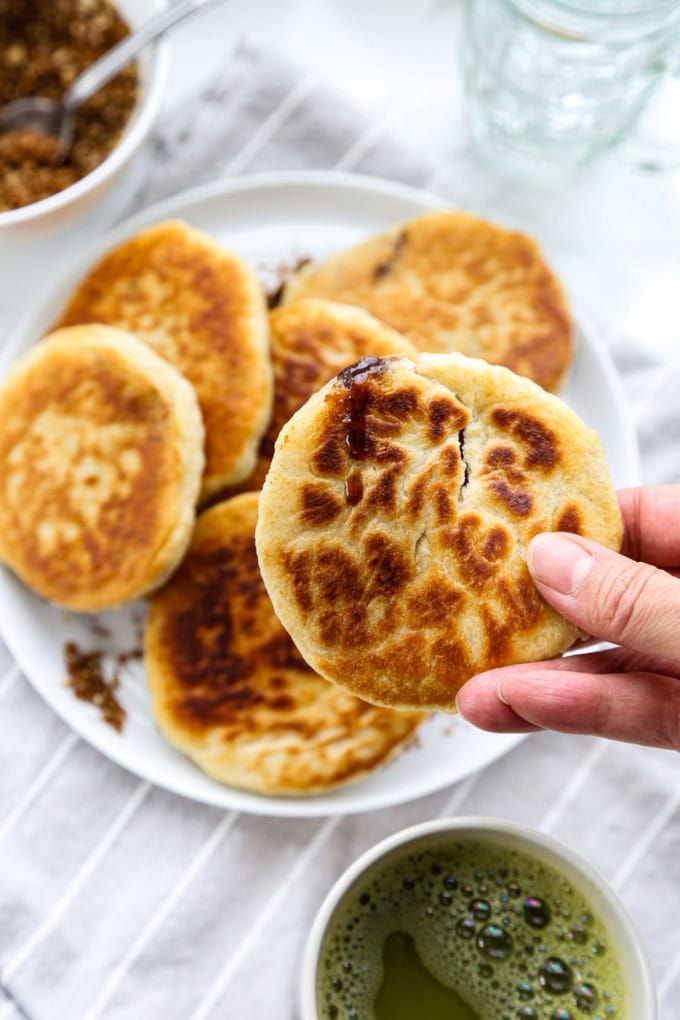
Hotteok
Hotteok are Korean sweet pancakes with a soft, chewy dough and a delicious filling of melted brown sugar, cinnamon, and crunchy nuts. A popular winter street food, they’re a cozy addition to the holiday dessert table and taste wonderful warm or at room temperature.
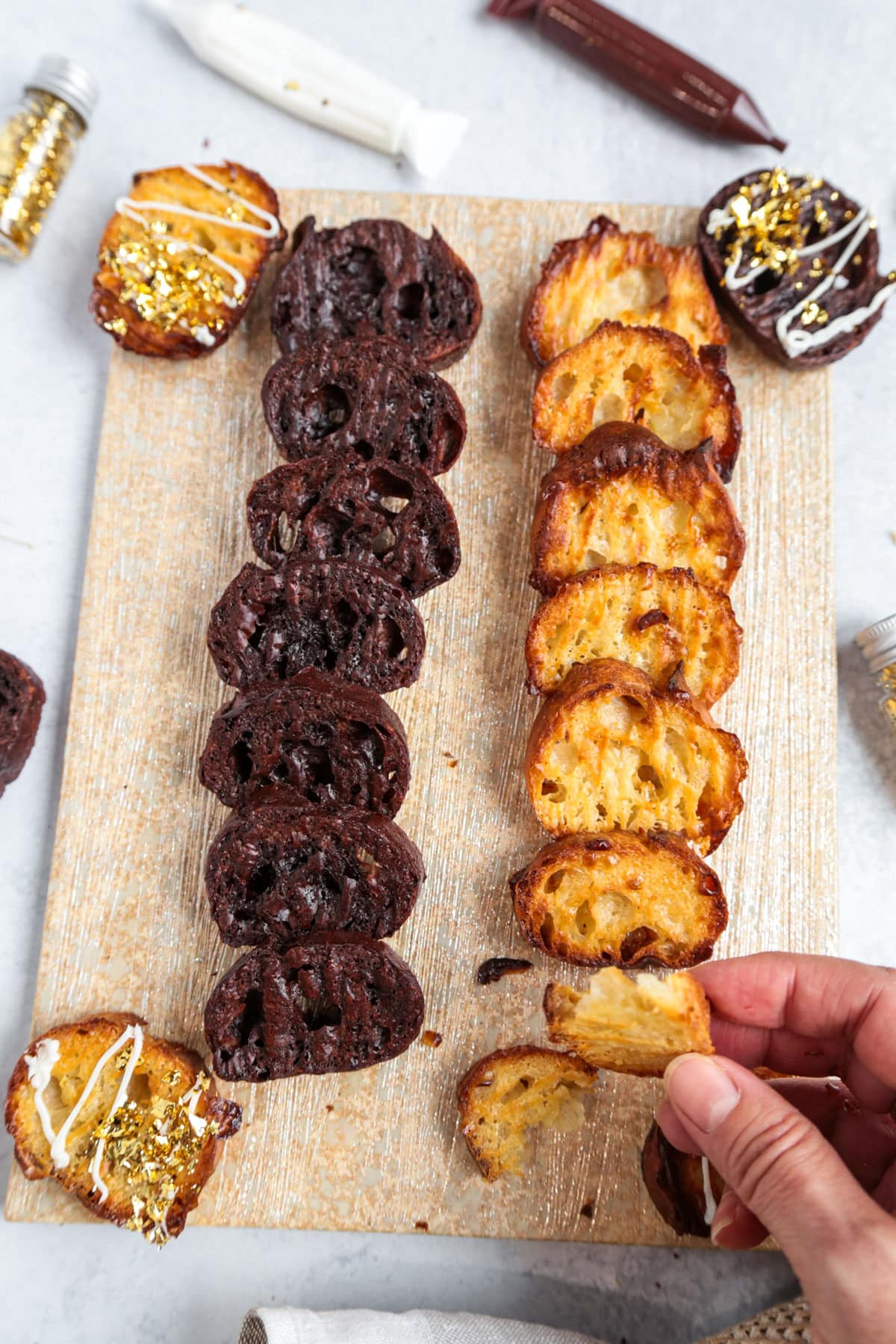
Rusk
Japanese rusk is made from thin slices of bread baked until crisp and finished with chocolate. It’s crunchy, sweet, and surprisingly addictive.
For Christmas, white chocolate, a dusting of powdered sugar, or a little gold leaf makes them especially pretty. They’re also easy to package up if you want to send guests home with something sweet.
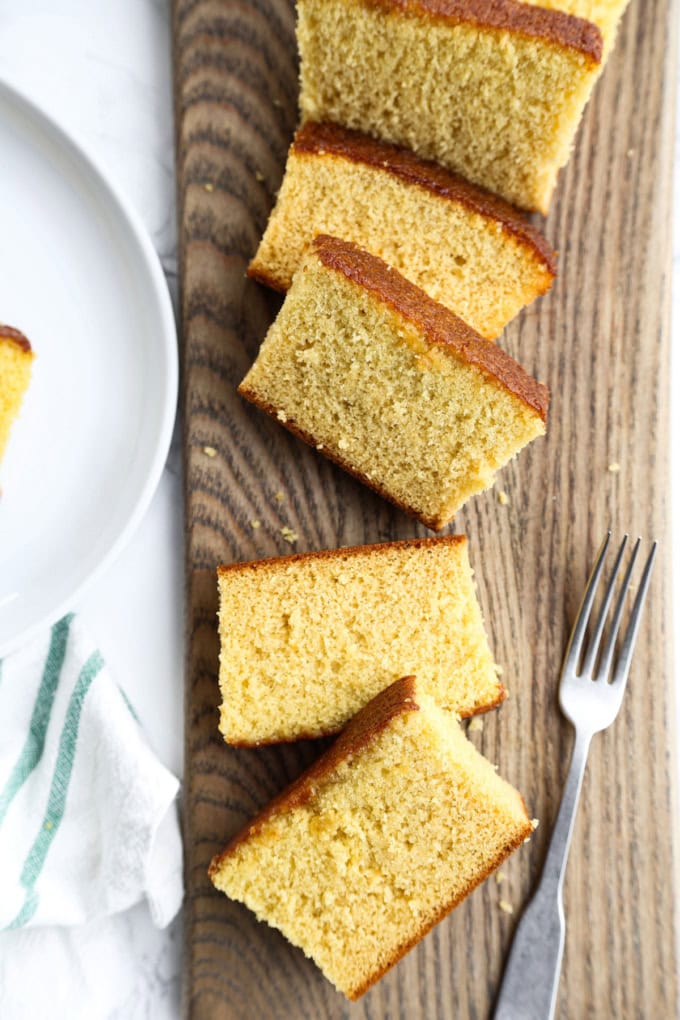
Castella Cake
A Japanese sponge cake, five ingredients, no butter or oil in the batter (the moisture comes almost entirely from eggs and honey). It actually improves overnight, wrapped tightly at room temperature — the crumb gets denser and more even. Bake this the day before, not the day of.
Putting a Menu Together
There is no need to make all 19 dishes for one meal. A much easier approach is to choose one main dish, two or three sides, and one dessert, then add a starter if you know everyone will arrive hungry.
For a Japanese-inspired Christmas dinner, miso salmon or teriyaki chicken would be lovely with Japanese potato salad, green beans with sesame sauce, and then followed by castella cake.
For a Korean-inspired gathering, start with pajeon and serve Korean sticky chicken with japchae. Finish with hotteok and a hot cup of cinnamon ginger tea for a sweet ending to the meal.
And if you’re celebrating New Year’s Japanese-style, save room for toshikoshi soba on December 31 and ozoni on January 1. Those two aren’t simply recipes that happen to work during the holidays — the traditions surrounding them are part of the celebration itself.
If you want to add more Japanese dishes to the meal, my Easy Japanese Recipes to Make at Home collection has plenty of soups, vegetables, noodles, rice dishes, and mains to choose from.
Frequently Asked Questions
The Japanese potato salad, japchae, and green beans with black sesame sauce all hold up well made the day before. Castella cake actually tastes better after resting overnight.
Teriyaki chicken and Korean sticky chicken are both quick enough for a weeknight (about 20 minutes), let alone a holiday with more time to plan.
Yes. Japanese curry over mashed potatoes and japchae are vegetarian mains; japchae is also vegan. The green beans and roasted carrots are vegetarian sides. For vegetarian mushroom gravy, use vegetable broth or kombu dashi rather than fish-based dashi.