This simple miso dressing recipe is tangy, lightly sweet, and packed with umami. It’s the kind of everyday dressing that works just as well on salads as it does on rice bowls and chilled noodles. It’s an easy recipe that only requires 6 ingredients and can be served in as little as 5 minutes – no blender needed!

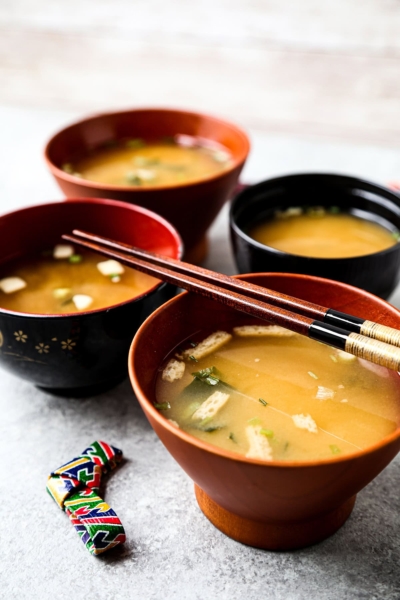
Miso is a staple in Japanese cooking and is commonly used in dishes like Japanese miso soup, miso ramen, and nasu dengaku, where its savory, fermented flavor really shines.
If you enjoy Japanese flavors, this is one of those back-pocket recipes you’ll come back to again and again. The dressing comes together in minutes, uses pantry staples, and delivers a deep, balanced flavor without being heavy.
Miso-based dressings are known for their umami depth and are part of a larger group of Japanese dressings explained in this Japanese salad dressings guide.
Why this Miso Dressing Works
- Balanced flavor: Salty, tangy, nutty, and slightly sweet
- Quick to make: Ready in about 5 minutes from start to finish
- Versatile: Can be used for more than just salads
- No special equipment: Just a bowl and a whisk
Table of contents
What is Miso Dressing?
Miso dressing is a Japanese-inspired dressing made with miso paste, a fermented soybean paste known for its rich umami flavor. Depending on the recipe, it’s typically blended with ingredients like rice vinegar, sesame oil, and a touch of sweetness to balance the saltiness of the miso.
This version is savory with just enough sweetness to round things out, making it versatile and easy to pair with many different dishes.
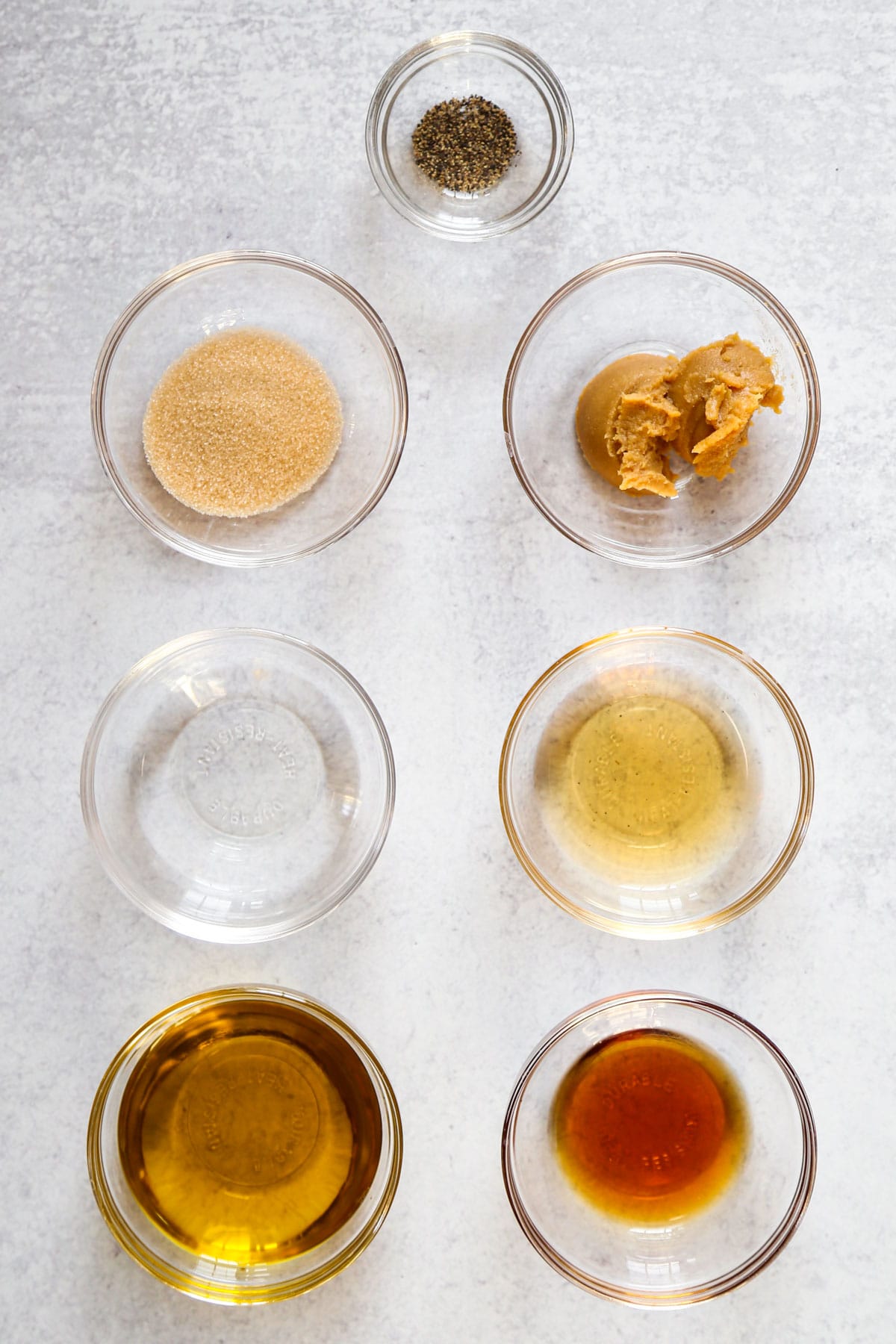
Miso Dressing Ingredients
- Olive Oil: While most wafu (Japanese style) dressings call for vegetable oil, I prefer using high quality extra virgin olive oil because it adds a fruity and spicy element.
- Rice Vinegar: Plain rice vinegar imparts a mild sweetness you won’t get from red wine or white wine vinegars. There’s also a nice hit of tartness that dances around the edges. Rice vinegar is one of those Japanese pantry staples you’ll use all the time.
- Miso Paste: White miso (shiro miso) works best here for its mild, slightly sweet flavor. There’s so much flavor imparted by the miso paste alone (savory, umami, nutty) there’s no need for added salt or soy sauce.
- Sugar: A little sugar brings out the tanginess from the rice vinegar. Or you can use honey or pure maple syrup as alternatives.
- Sesame Oil: The addition of toasted sesame oil not only intensifies the nuttiness of the dressing, it also elevates the umami of the miso paste.
- Black Pepper: Black pepper adds a little something floral and woody.
A Note on Miso
Miso is a fermented ingredient, which means flavor can vary widely depending on the brand and type. White miso is generally the most approachable for dressings, but if you enjoy bolder flavors, you can experiment with yellow or red miso — just use less to start.
If you’re new to miso, you may also enjoy reading my guide to miso paste to learn more about how it’s made and how it’s used in Japanese cooking.
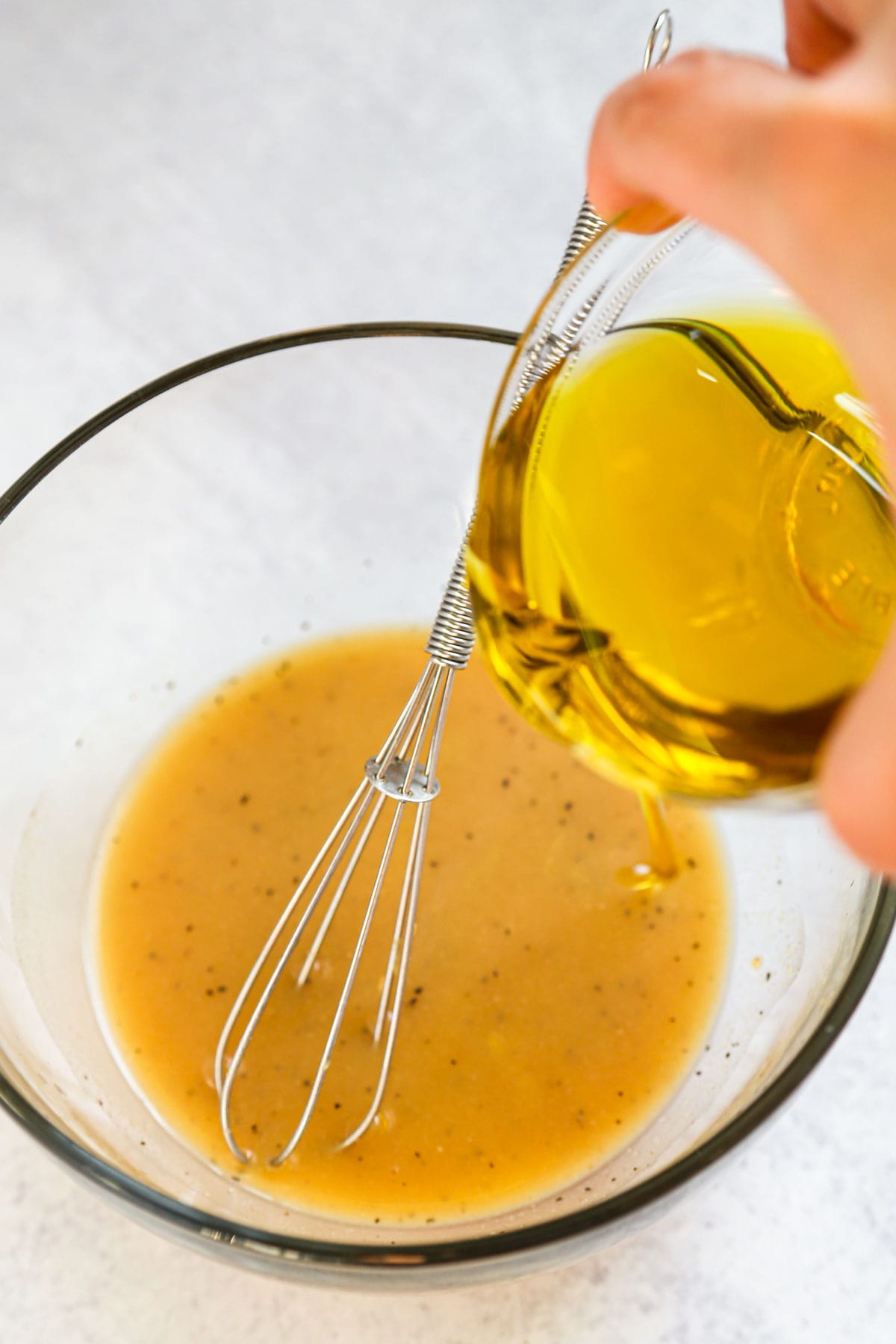
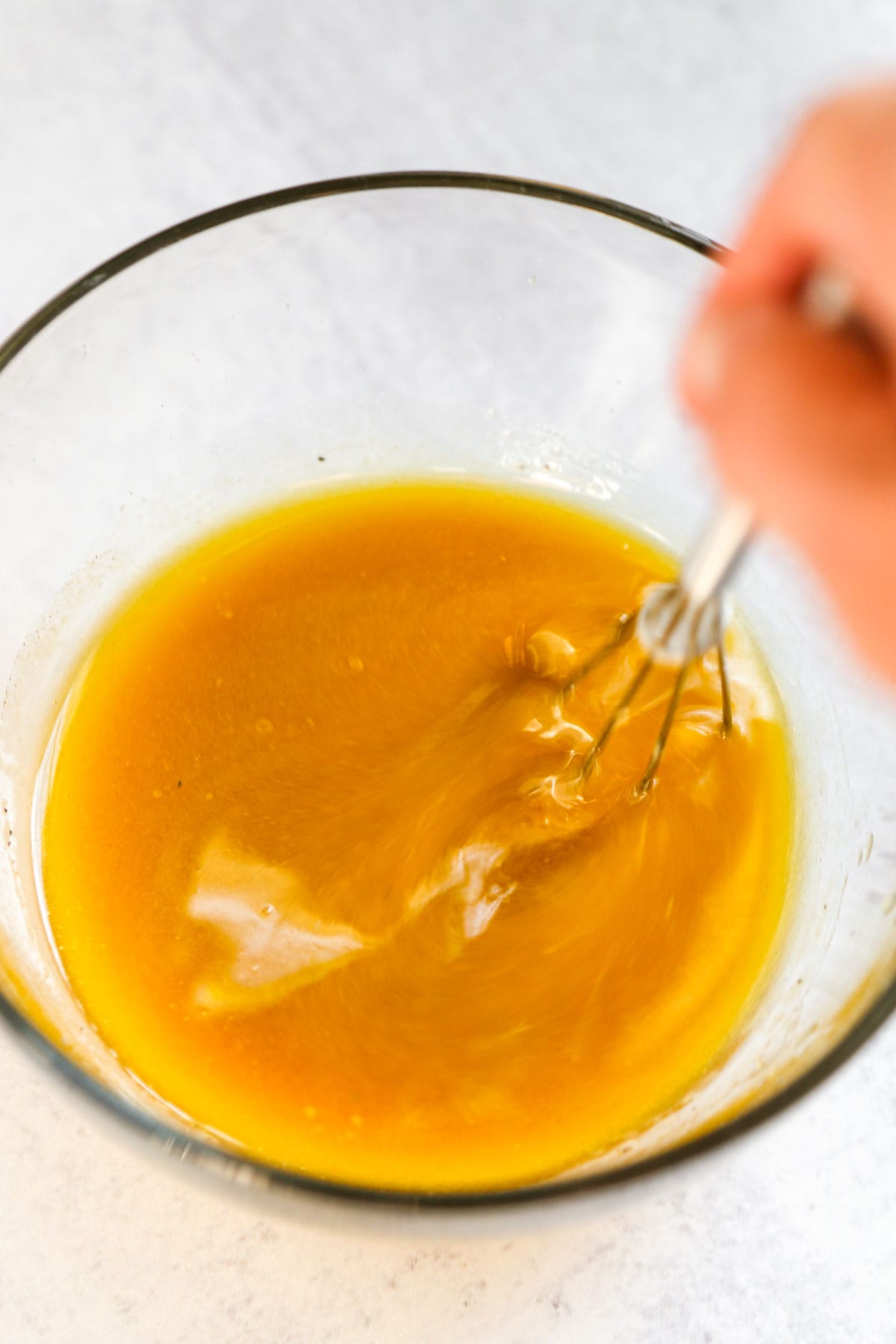
How to Make Miso Dressing
- Gather all of your kitchen tools and ingredients.
- Place all of your measured ingredients into a wide-mouth bowl.
- Whisk until cloudy.
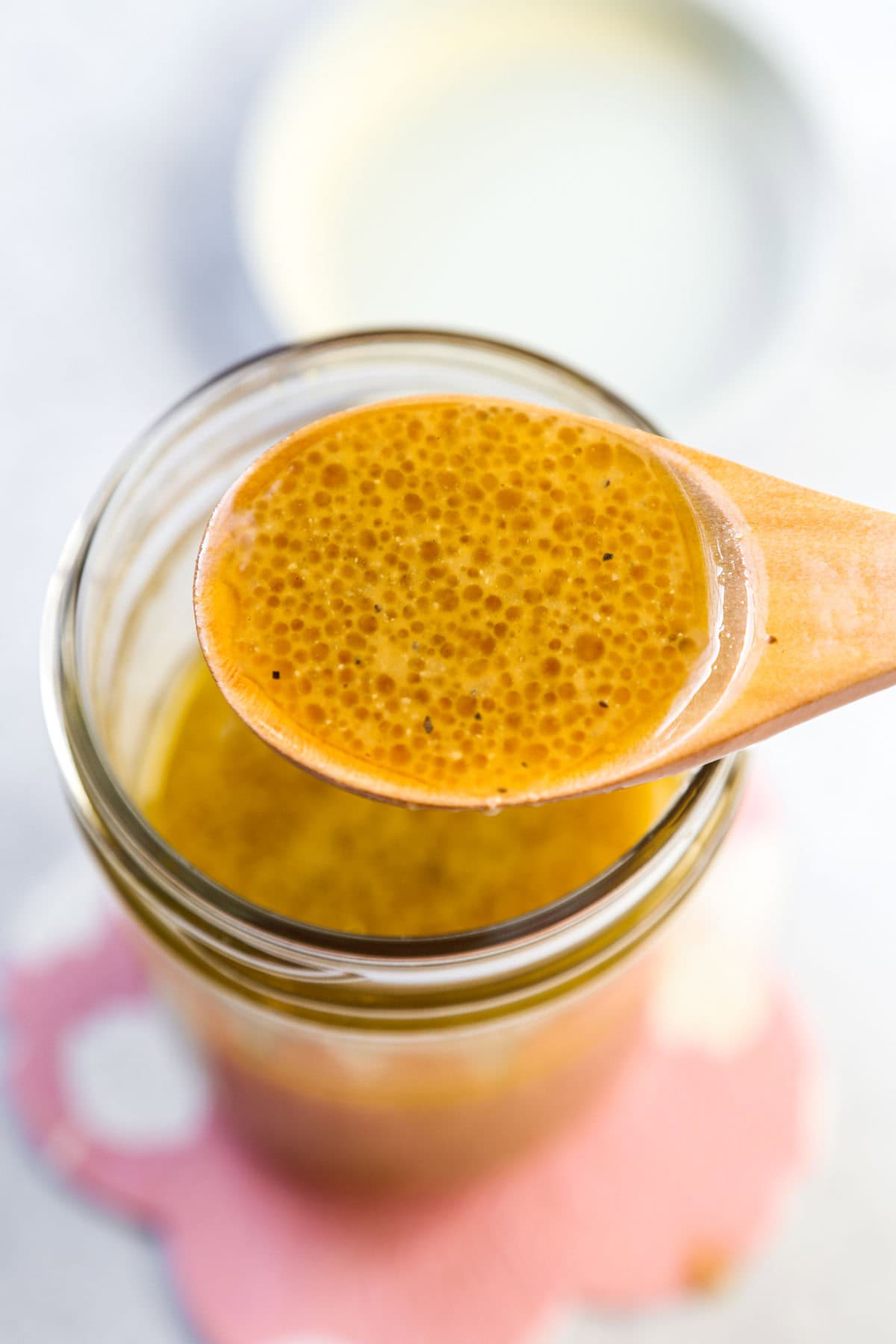
- Serve immediately – or place in a jar the fridge until ready to use. Shake well if separation occurs.
Variations
Once you’re comfortable with the base recipe, it’s easy to customize:
- Creamy miso dressing: Add a spoonful of mayonnaise or tahini
- Ginger miso dressing: Grate in fresh ginger for a little heat
- Citrus miso dressing: Swap some of the vinegar for yuzu or freshly squeezed lemon juice
- Spicy miso dressing: Add a small amount of chili oil, chili paste such as gochujang, or sriracha sauce
Each variation keeps the core umami flavor while adding a different personality.
How to Use Miso Dressing
This dressing is incredibly flexible. Here are some favorite ways to use it:
- As a dressing for a simple green salad, cabbage salad, or something heartier like a nicoise salad.
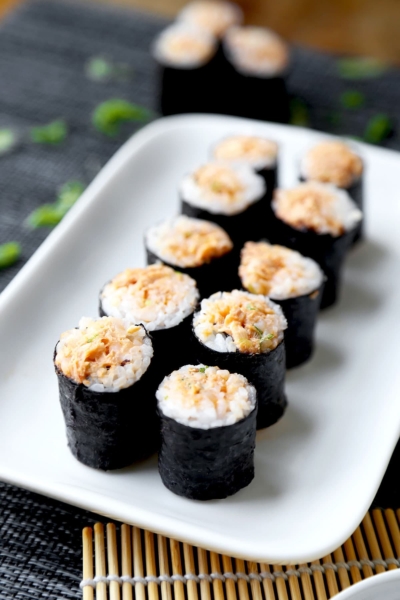
- As a sauce for donburi (rice bowl), tekkadon (tuna bowl) or quinoa bowl.
- It also makes an excellent marinade for fish, like my miso salmon, giving the fish and buttery and tender texture full of umami.
- As a sauce or dressing for chilled noodles or grilled/roasted vegetables.

Storage
- Store leftover miso dressing in an airtight container in the fridge for up to 2 weeks.
- Separation will likely occur. Simply take the dressing container out of the refrigerator 5 minutes before you want to use it – and shake well (or whisk) until re-emulsified and serve.
Explore more flavor builders in our sauces and dressings collection. For other Japanese-style dressings, check out my recipes for Japanese carrot ginger dressing, soy garlic dressing, shiso dressing, wasabi dressing, and sesame dressing.
Have you tried this recipe? Are there changes you made that you would like to share? Share your tips and recommendations in the comments section below!
PrintMiso Dressing
This sweet and tangy miso dressing can be served with a salad or as a seasoning for your favorite protein! Only 6 ingredients needed!
- Prep Time: 5 minutes
- Cook Time: 0 minutes
- Total Time: 5 minutes
- Yield: about 2/3 cup 1x
- Category: Sauce
- Method: Whisking
- Cuisine: Japanese
- Diet: Vegetarian
Ingredients
- 1/4 cup extra virgin olive oil
- 2 tablespoons water
- 2 tablespoon rice vinegar
- 2 tablespoon white or awase miso paste
- 2 teaspoons granulated sugar
- 2 teaspoons toasted sesame oil
- Ground black pepper to taste
Instructions
- Put all the ingredients in a bowl and whisk until cloudy.
- Refrigerate in a jar or and airtight storage container for up to 1 month.
Notes
Use a neutral oil such a grapeseed oil or vegetable if you don’t like the fruitiness of olive oil.
Nutrition
- Serving Size: about 2 tablespoons
- Calories: 110
- Sugar: 1.4g
- Sodium: 0.2mg
- Fat: 11.2g
- Saturated Fat: 1.5g
- Unsaturated Fat: 1.6g
- Trans Fat: 0g
- Carbohydrates: 2.9g
- Fiber: 0.3g
- Protein: 0.7g
- Cholesterol: 0mg
Frequently Asked Questions
Most miso dressings are vegan, as miso paste is typically made from soybeans, rice, or barley. Always check the ingredient list if you’re using store-bought miso, as some can contain dashi.
Miso dressing can be gluten-free if made with gluten-free miso. Some miso pastes contain barley or wheat, so it’s important to check the label.
Yes. While toasted sesame oil adds extra nuttiness, you can use a neutral oil if needed. The flavor will be milder but still balanced.
Miso paste varies in saltiness by brand and type. Red miso is the saltiest and white miso is the mildest, which is why I am recommending white miso for this recipe. If your dressing tastes too salty, add more water and a little extra sugar to balance it.