This Japanese daikon salad is the kind of side dish I love serving with a warm-weather meal. It’s crisp, colorful, and so refreshing — an incredibly simple but flavorful way to brighten up your lunch or dinner spread.
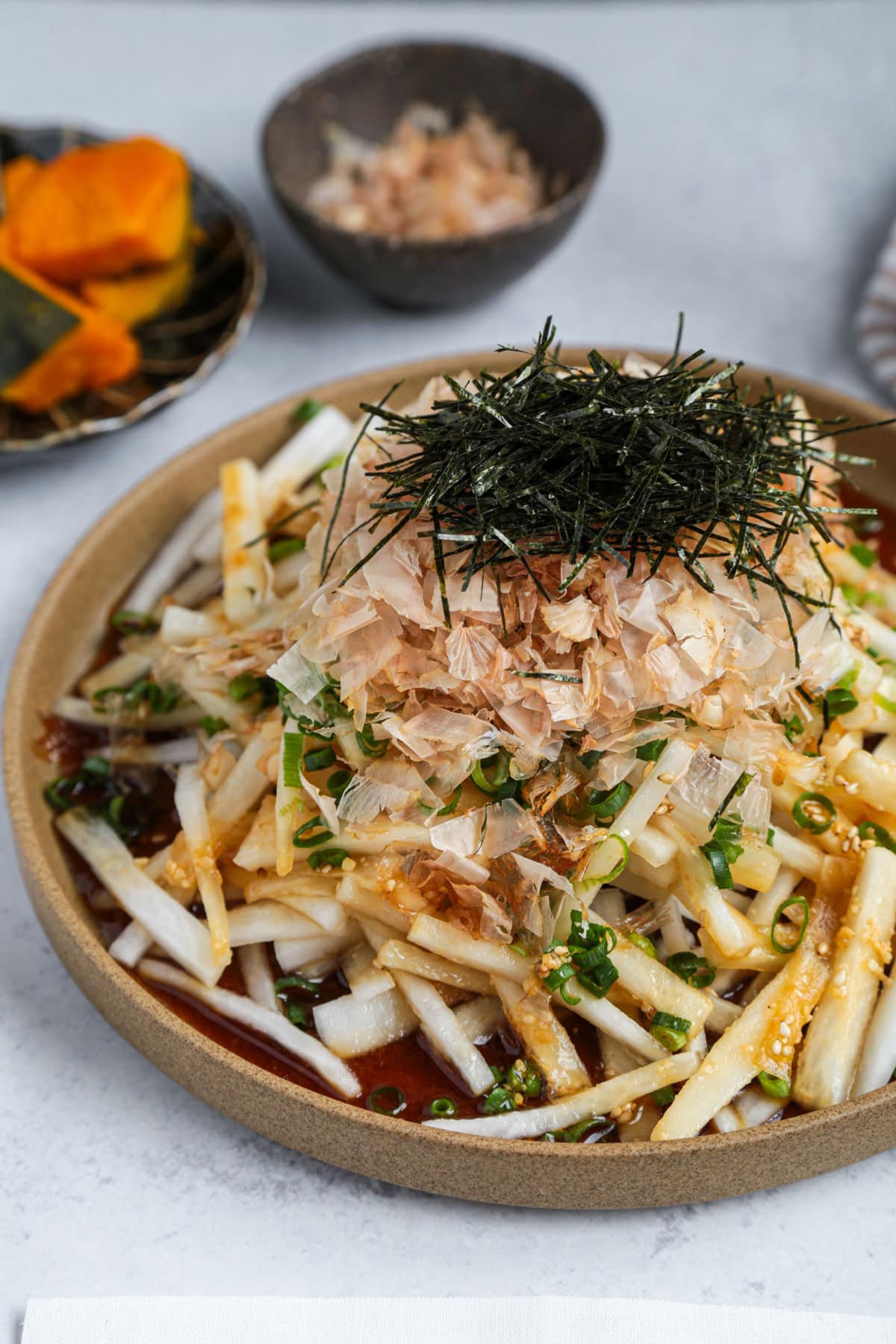
What I love most about this salad is how refreshing it is. Freshly sliced daikon has such a satisfying crunch, and it pairs beautifully with the salty, savory, and nutty flavors of a miso sesame dressing.
This recipe is similar to the daikon salads often served at izakayas across Japan. It’s meant to be eaten as a side dish, alongside rice, grilled fish, noodles, fried foods, or a few other small plates. It’s an effortlessly simple salad that honors the clean, balanced profile of a quintessential Japanese dish.
Table of contents
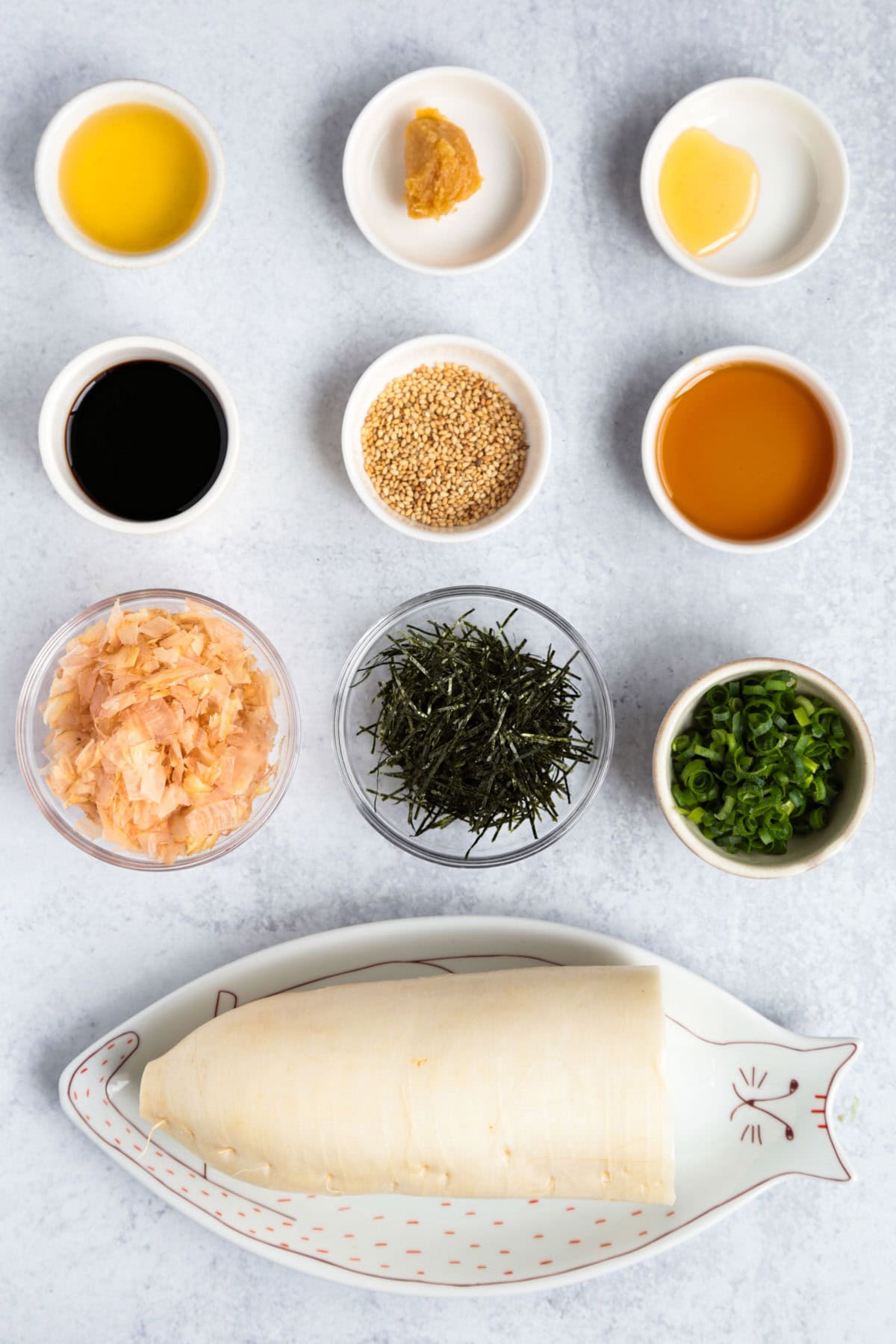
How to Pick the Best Daikon for this Salad
Since we’re keeping the daikon raw, quality is key! When shopping, hunt for a radish that feels heavy for its size and boasts smooth, firm skin. Avoid any with soft spots, wrinkles, or cracks. Trust me—the fresher the daikon, the crunchier and juicier every bite will be.
- Pick the sweet spot: Choose a medium-sized radish. Giant daikons are often woody and fibrous. If the daikon is sold cut, pick the top section closest to the leaves (where it’s greener). That part is best for raw eating because it’s sweet, crisp, and super mild.
- Do a weight check: Avoid radishes that feel too light, which means they are likely dry or spongy inside.
- Look at the leaves: If the leaves are attached, make sure they are bright green and crisp rather than yellow or wilted.
After peeling, the inside should look moist, crisp, and slightly translucent. If the daikon feels soft or looks dry in the center, save it for soups and stews.
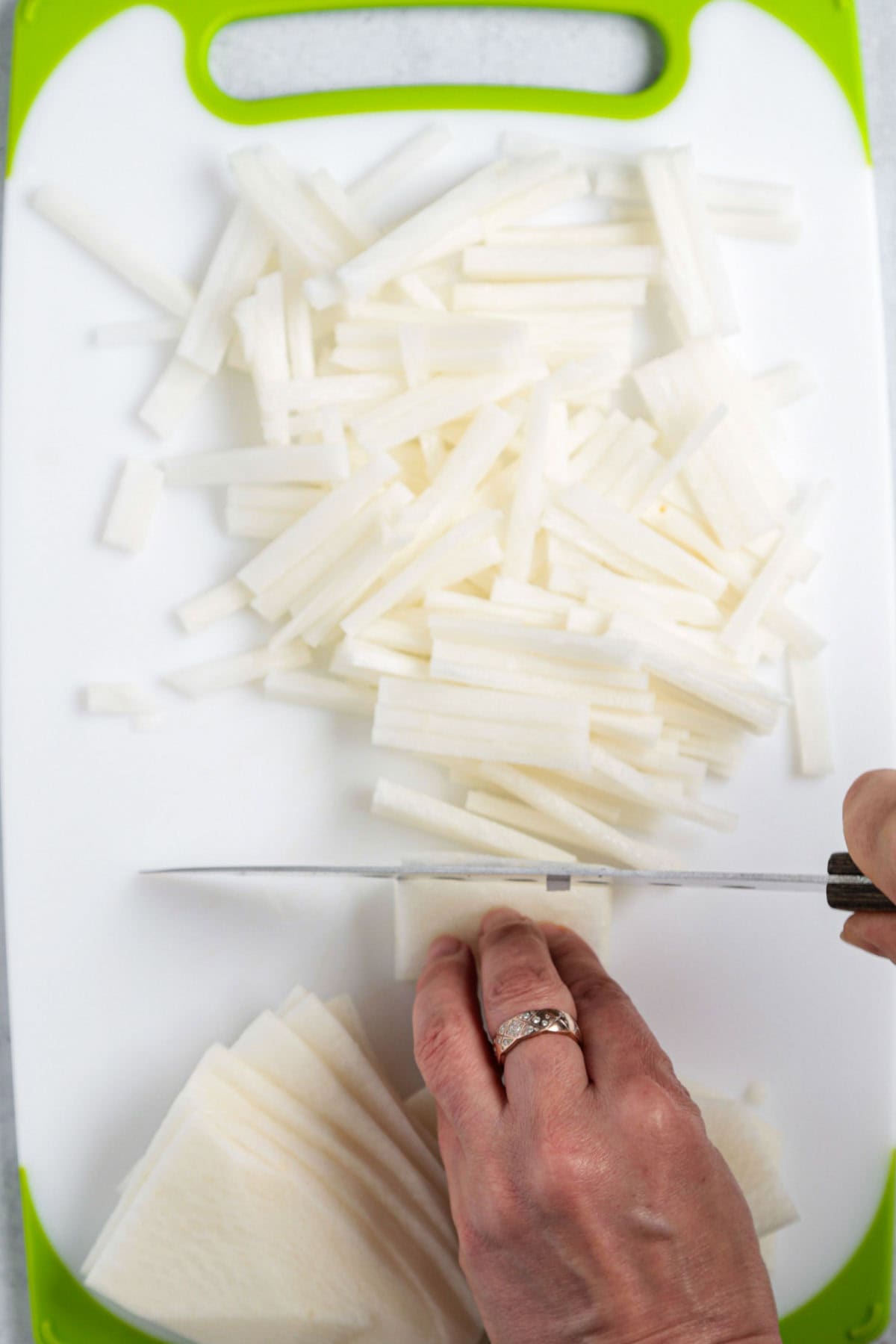
Daikon Salad Ingredients
- Daikon. Daikon is the main ingredient, so choose one that feels firm and heavy for its size. The skin should look smooth, without soft spots or wrinkling.
- Scallions. Chopped scallions add freshness and a mild onion flavor. They also bring a little color to the salad.
- Bonito Flakes. Bonito flakes add a smoky, savory flavor and a little movement to the salad, softly curling and dancing once the dressing touches them.
- Shredded Nori. Shredded nori is optional, but it adds a briny, ocean-like taste that works really well with daikon and sesame oil. Add it just before serving so it doesn’t become too soft.
- Soy Sauce. Soy sauce gives the dressing its salty, savory base. Japanese soy sauce is best here because it has a balanced flavor that works well with the miso and rice vinegar.
- Rice Vinegar. Rice vinegar adds brightness and an almost fruity element.
- White Miso Paste. White miso paste adds a little sweetness, some nuttiness, and umami.
- Honey. Here, the honey doesn’t really add sweetness to the dressing. Instead, it brings balance to the overall flavor profile.
- Toasted Sesame Oil. Toasted sesame oil gives the dressing its nutty aroma.
- Sesame Seeds. Sesame seeds add a little texture and extra nuttiness. You can use them whole or lightly crush them before adding them to the dressing.
How to Make Daikon Salad
Scroll down to the recipe card for the full recipe.
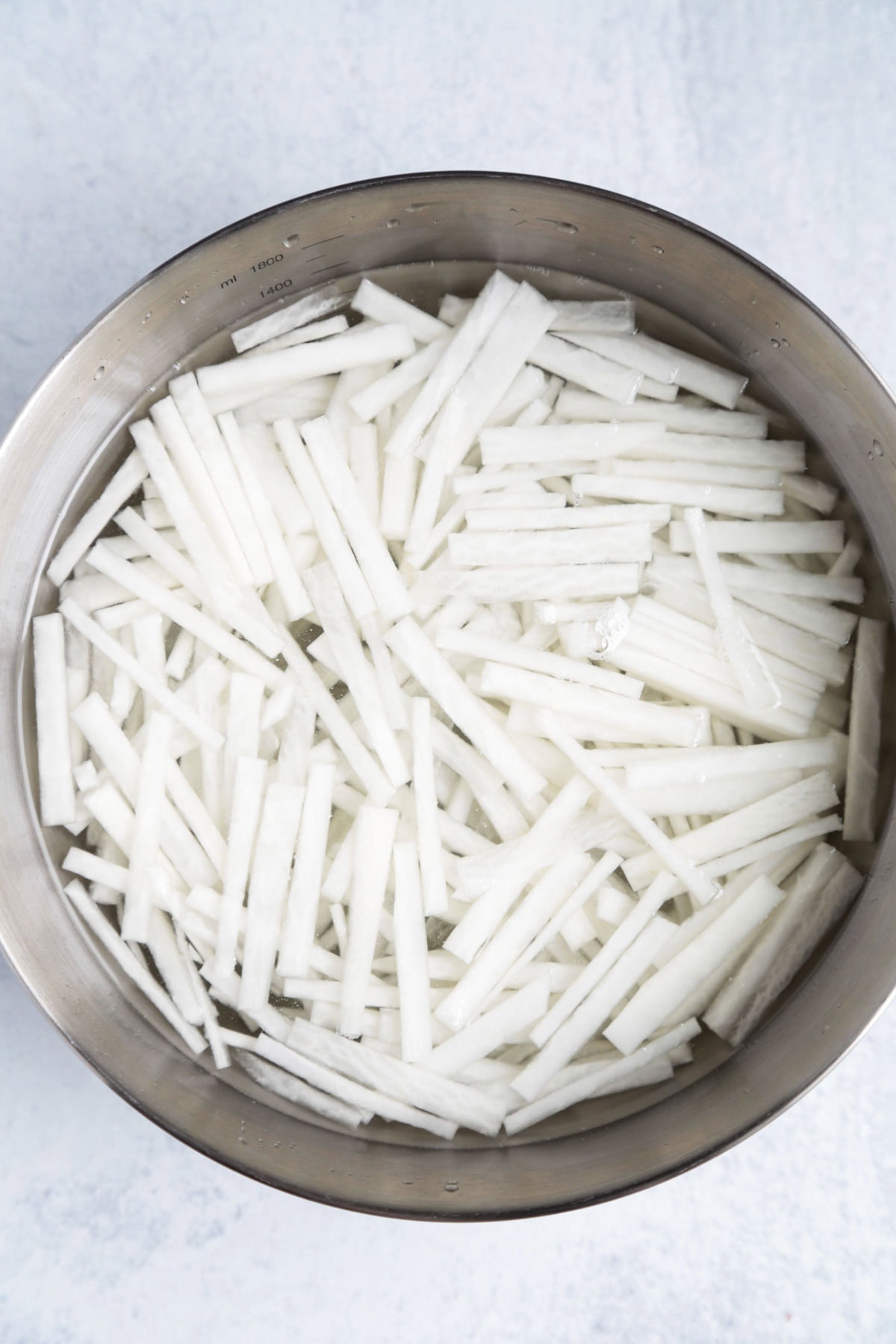
- Peel the thick outer layer of the daikon and slice it into thin bite size sticks.
- Soak the daikon in cold water to mellow its sharpness and drain well.
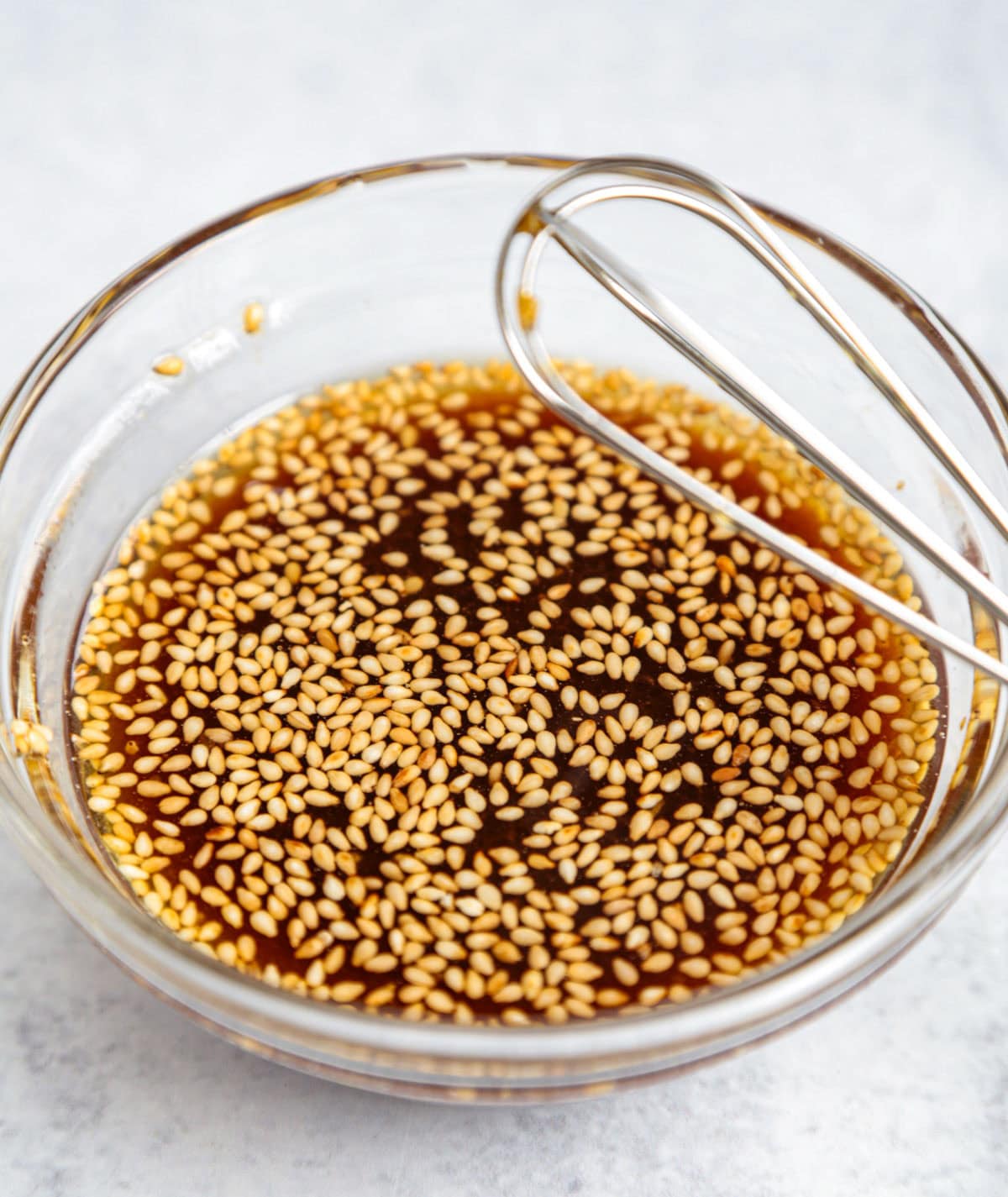
- Whisk the dressing ingredients together until combined.
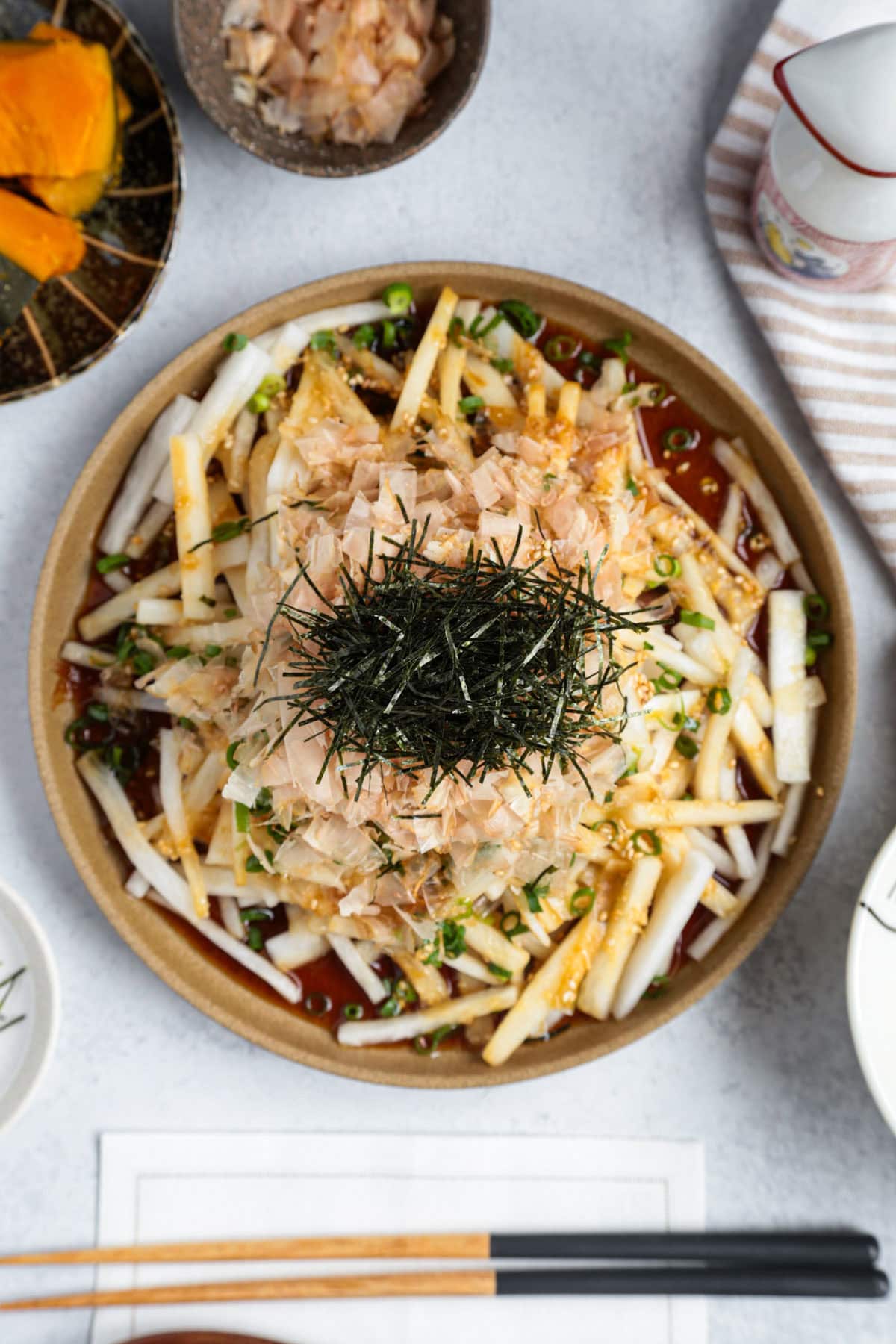
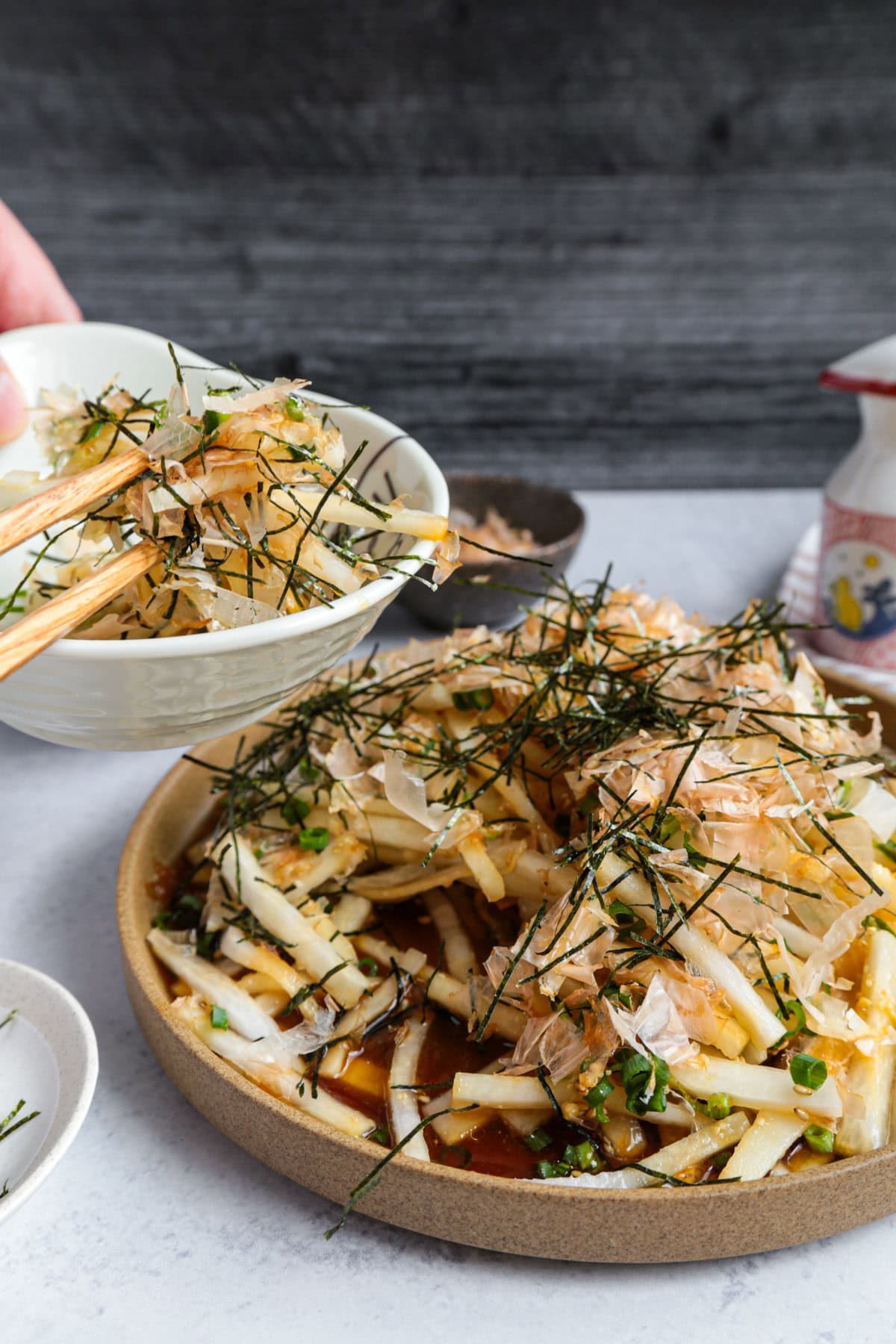
- Add the daikon to a serving dish, drizzle with the dressing, and top with scallions, bonito flakes, and shredded nori.
Variations
- Give it some heat. Add grated ginger, a small dab of wasabi, or a few drops of chili oil to the dressing.
- Make it vegetarian. Leave out the bonito flakes and add extra nori, sesame seeds, or a vegetarian furikake.
- Make it citrusy. Add a squeeze of lemon juice or yuzu, or a drizzle of ponzu, right before serving.
- Make it crunchier. Add thinly sliced cucumber or chopped mizuna leaves.
Recipe Tips
- Peel the daikon well. The outer layer can be tough and a little bitter, so remove more than just the thin skin.
- Slice the daikon thin, but not paper thin. Too thin makes the daikon sticks wilt. To ensure your salad has that signature, refreshing crunch, aim for slightly sturdier matchsticks that can hold their own against the dressing.
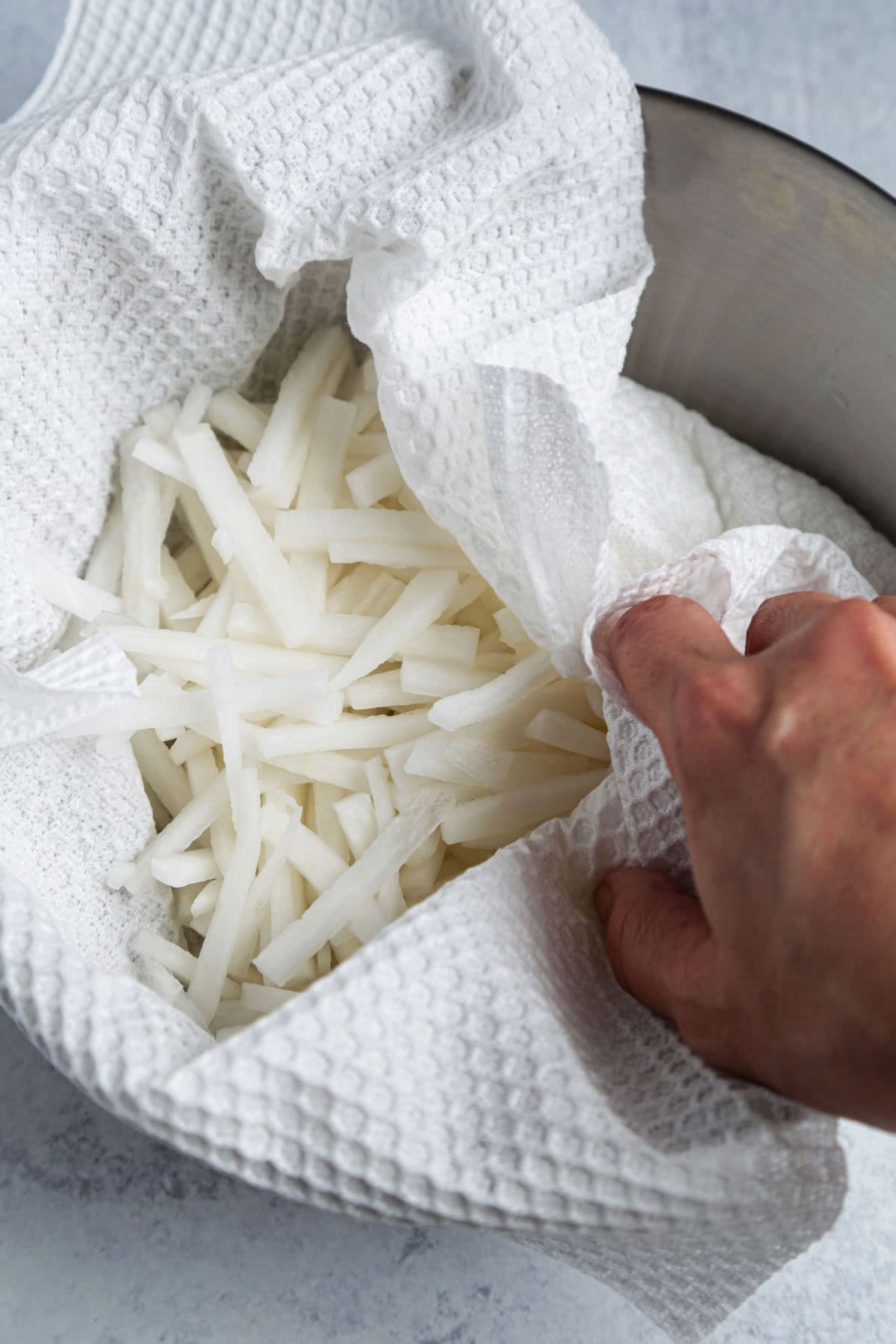
- Dry the daikon thoroughly. Any extra water will dilute the dressing and make the salad less flavorful.
What to Serve with Daikon Salad
This salad is a wonderful addition to a summer menu because it feels light and refreshing. It works especially well with dishes that are grilled, fried, salty, or rich, since the raw daikon brings a clean crunch to the meal.
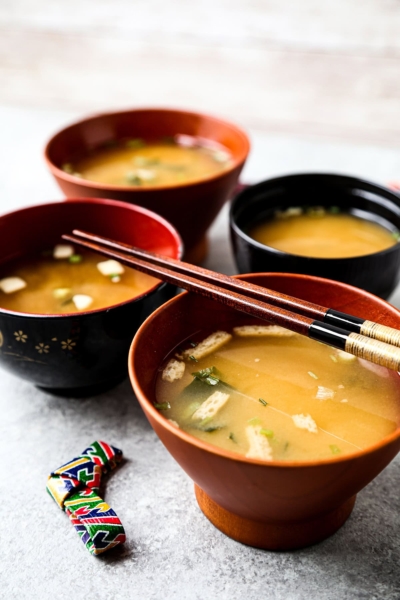
Serve it with grilled fish, miso soup, steamed rice, cold soba noodles (zaru soba), or onigiri for a simple Japanese lunch or dinner.
It’s also good with richer dishes such as chicken katsu, karaage, tonkatsu, Japanese curry, or a rice bowl. The salad helps balance the meal without adding heaviness.
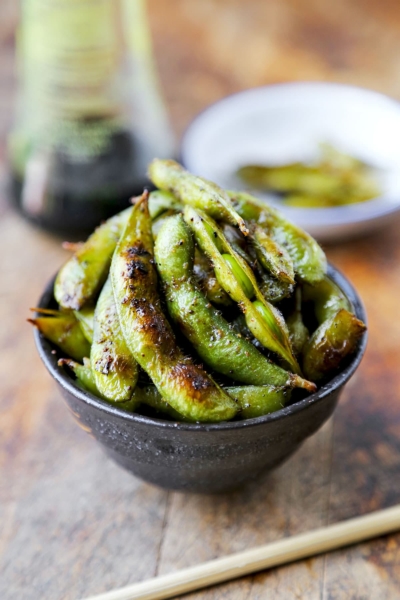
For an izakaya-style spread, serve it with a few small dishes such as edamame, agedashi tofu, gyoza, yakitori, or tamagoyaki.
Storage
This salad tastes best when served immediately, after it’s assembled.
Leftovers: Transfer to a storage container and refrigerate for up to 2 days. Keep in mind that the daikon will continue to release water as it sits, and the nori and bonito flakes will soften.
Prep ahead: Slice and soak the daikon, dry it very well, and store it in an airtight container in the fridge. Keep the dressing separate and wait to add the scallions, bonito flakes, and nori until just before serving.
The sliced daikon will keep for up to 3 days in the fridge. The dressing will keep for up to 5 days.
Freezing: I don’t recommend freezing this salad. Raw daikon loses its crisp texture once frozen and thawed.
Daikon Salad
This daikon salad is crisp, light, and cooling, with a savory sesame miso dressing, and smoky bonito flakes. Simple, colorful, and so refreshing.
- Prep Time: 15 minutes
- Cook Time: 20 minutes (soaking )
- Total Time: 35 minutes
- Yield: 4 servings 1x
- Category: Salad
- Method: Tossing
- Cuisine: Japanese
- Diet: Low-Carb
Ingredients
- 1 pound daikon radish
- 2 tablespoons chopped scallions
- 1/2 cup bonito flakes
- 2 tablespoons shredded nori (optional)
Dressing
- 3 tablespoons soy sauce
- 1 1/2 tablespoon rice vinegar
- 1 teaspoon white miso paste
- 1/2 teaspoon honey
- 1 1/2 tablespoon toasted sesame oil
- 1 teaspoon sesame seeds
Instructions
- Slice the daikon. Rinse the daikon and pat dry with a paper towel. Using a chef’s knife, peel the skin by rotating the daikon until you get to the clear part. Daikon skin can be thicker than it looks, so peel past the tough outer layer until you reach the clearer, juicier flesh. You can also use a vegetable peeler but will need to peel more layers to get to the juicy part.
- Slice it. Cut off both ends and slice the daikon into bite size sticks (about 5cm long and 2cm thick).
- Soak it. Fill a bowl with cold water and add the chopped daikon. Leave 20-30 minutes to remove the bitterness.
- Drain well. Drain the daikon and pat the sticks dry with paper towels. Or – this trick works extremely well – use a salad spinner and spin vigorously until the sticks are dry.
- Make the dressing. Combine the ingredients for the dressing in a bowl and whisk until it’s emulsified.
- Serve. Plate the daikon and drizzle half of the dressing. Top with scallions, bonito flakes, and nori, and add the remaining dressing. Serve immediately.
Notes
This salad is best when served immediately, chilled. Any leftovers should be kept refrigerated, in a storage container. The salad will keep for about 2 days.
Nutrition
- Serving Size: 1 serving
- Calories: 87
- Sugar: 1.5g
- Sodium: 222mg
- Fat: 5.7g
- Saturated Fat: 0.8g
- Unsaturated Fat: 2.4g
- Trans Fat: 0g
- Carbohydrates: 6.1g
- Fiber: 1.8g
- Protein: 3.6g
- Cholesterol: 1mg
Frequently Asked Questions
I recommend it. Soaking the daikon in cold water helps remove some of the bitterness and makes the texture crisper. If your daikon is very mild, you can shorten the soaking time to 10 or 15 minutes.
Yes. The salad will still taste good without bonito flakes, but will not have the smoky element and extra umami.
Daikon can taste bitter when it’s older, very large, or when you use the lower tip of the root. Peeling it well and soaking it in cold water can help mellow the flavor.
Yes. This salad is best served cold or chilled. The cool daikon and savory dressing make it especially nice in warm weather.
No. Daikon is much larger and usually milder than small red radishes. It has a juicy crunch and a clean flavor that works well in Japanese salads, soups, pickles, and grated condiments.