If you’ve ever wondered why Japanese soups taste light yet full flavored, dashi is the reason. Learning how to make it at home is one of the easiest ways to elevate everyday Japanese cooking.
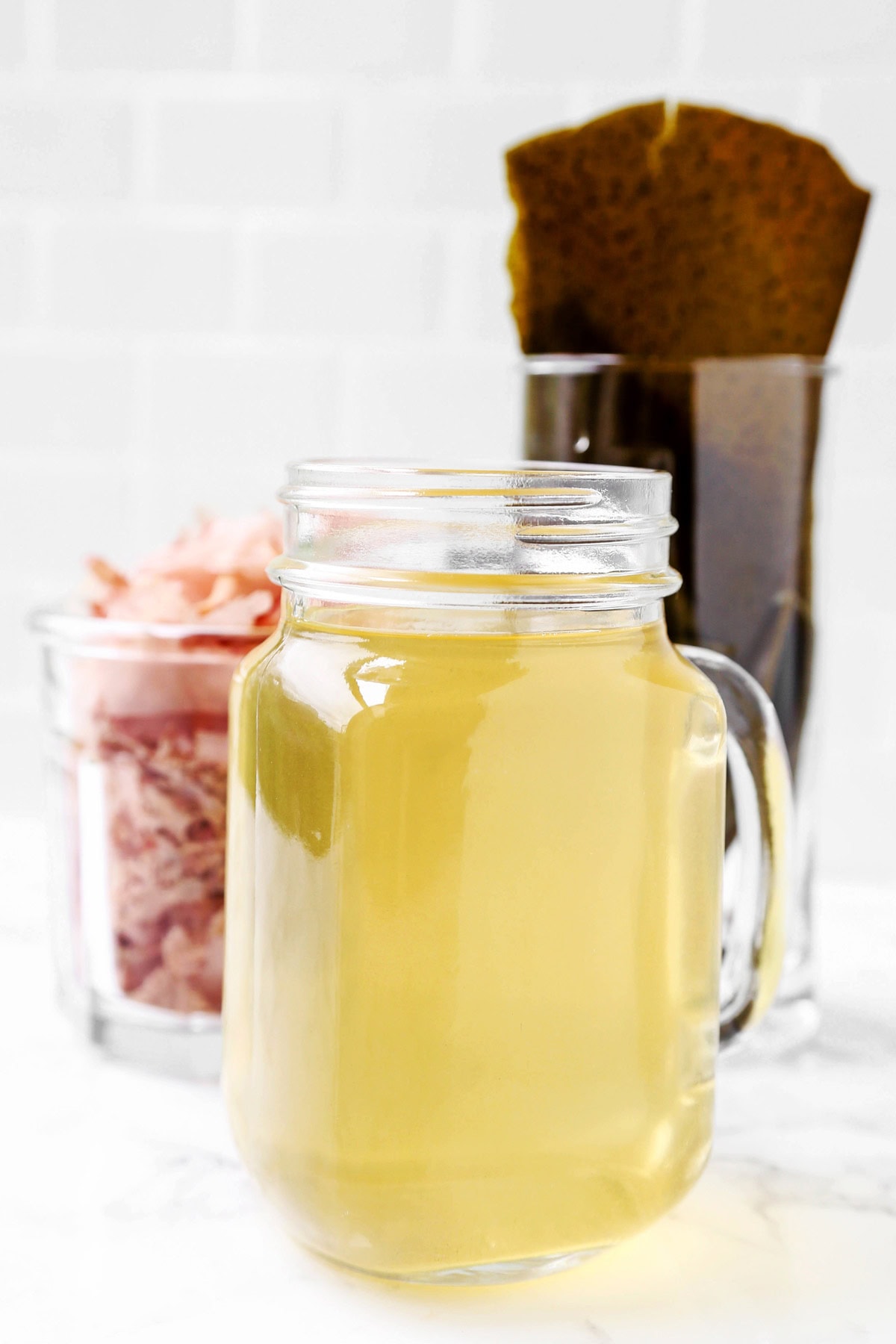
Once you start cooking with dashi, you’ll notice how often it appears across Japanese recipes—it’s one of the building blocks of the cuisine. Unlike Western stocks that simmer for hours, dashi is prepared quickly and gently to extract umami without bitterness.
Table of contents
What is Dashi?
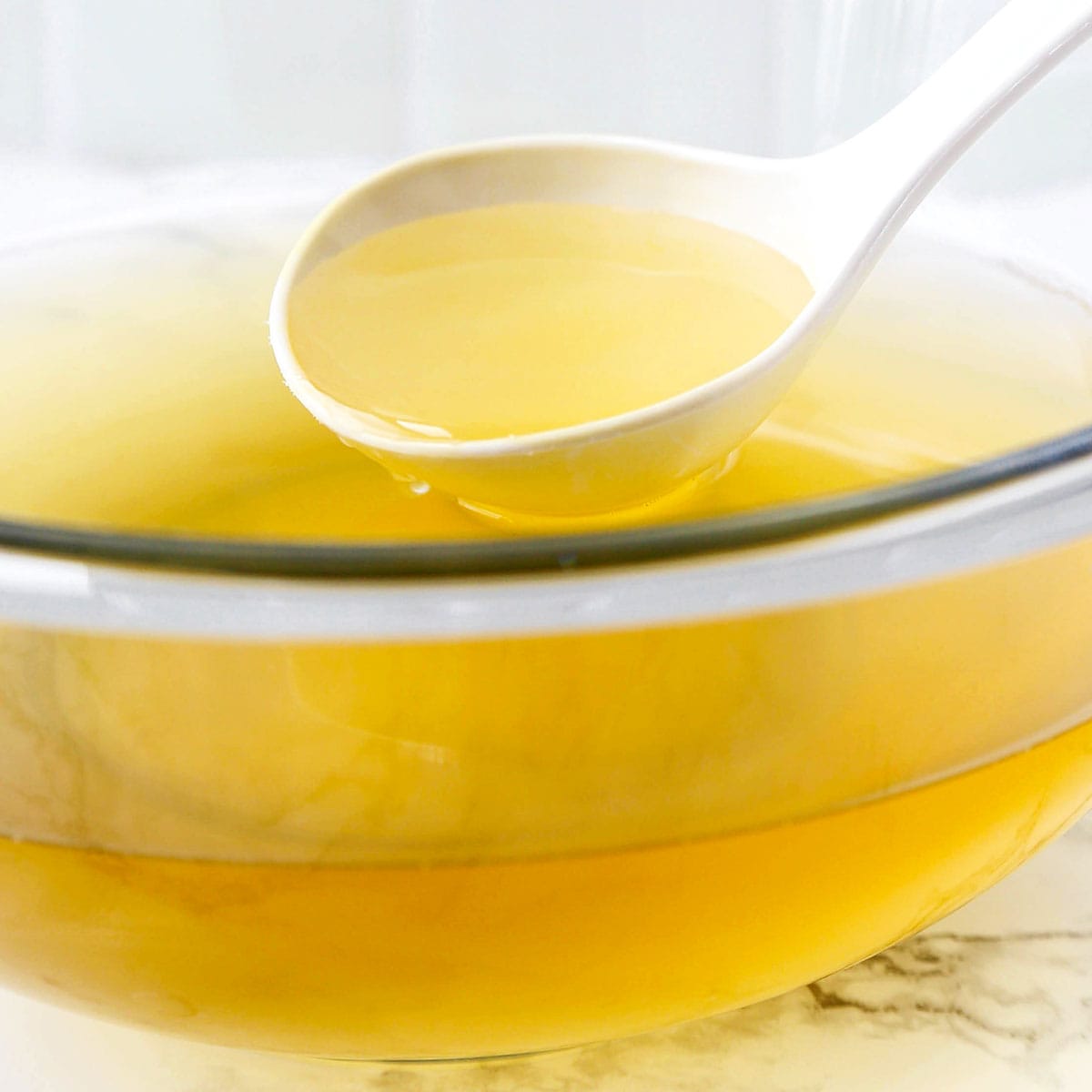
Dashi (出汁, だし) is a traditional Japanese broth typically made from kombu (dried kelp) and katsuobushi (dried bonito flakes). This delicate stock is used as the base for classic dishes such as miso soup, sunomono (Japanese cucumber salad), kake udon, and oden (one-pot fish cake stew). Made with just a few ingredients, dashi delivers a clean, savory umami flavor that defines Japanese home cooking.
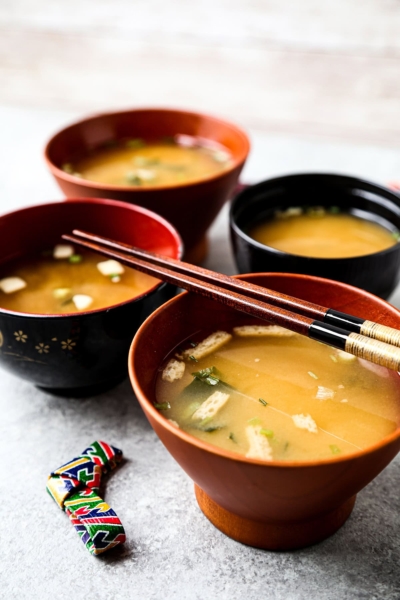
Because dashi is lightly flavored, it’s often combined with other ingredients and acts as a supporting element that brings balance and depth to a dish. In miso soup, for example, dashi provides the savory backbone that allows the miso paste to taste rich rather than salty. The same principle applies to noodle soups, sauces, and even light tofu dishes, where dashi enhances flavor without adding heaviness. Dashi can also be used to make spinach ohitashi, a popular Japanese spinach side dish.
Dashi Ingredients
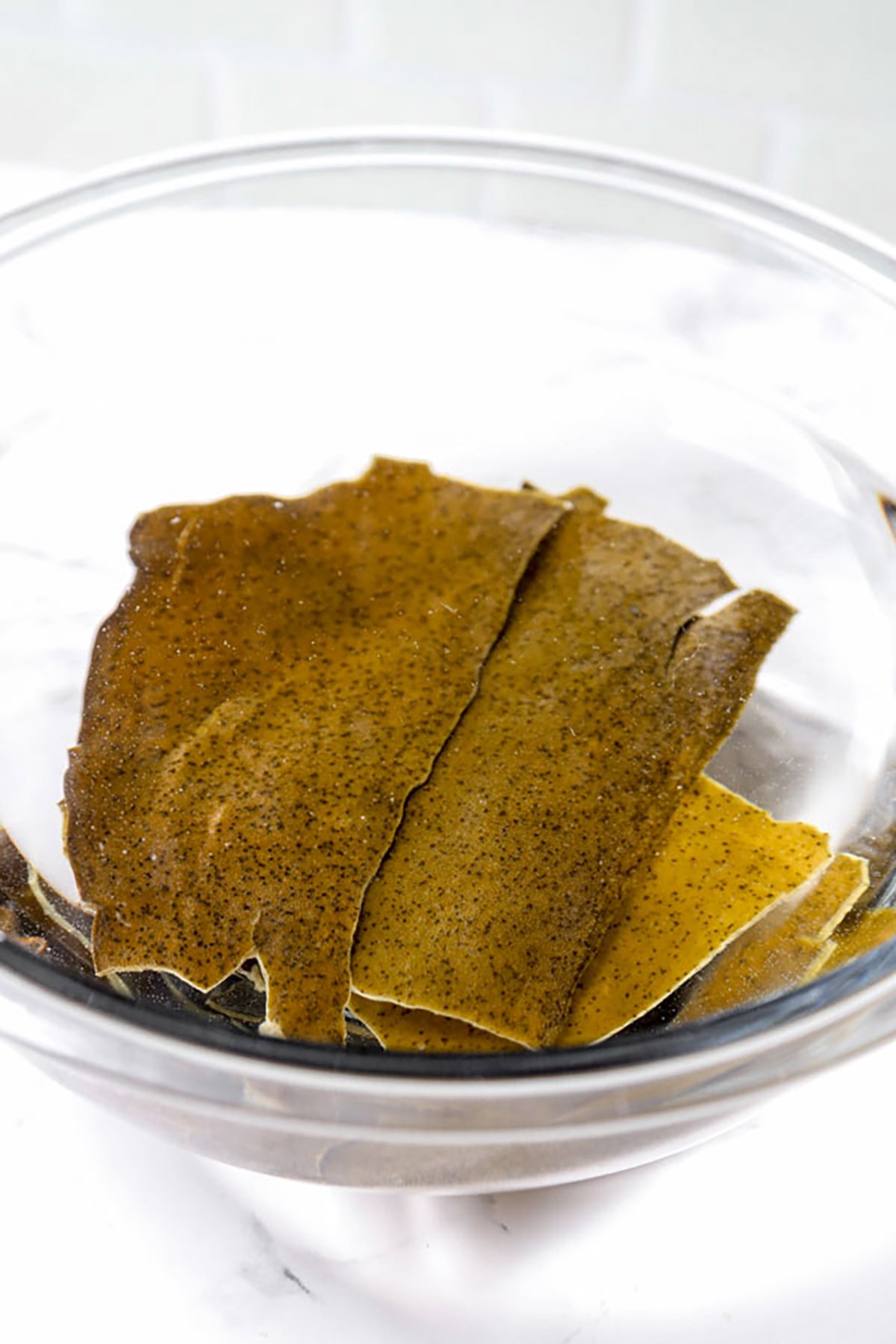
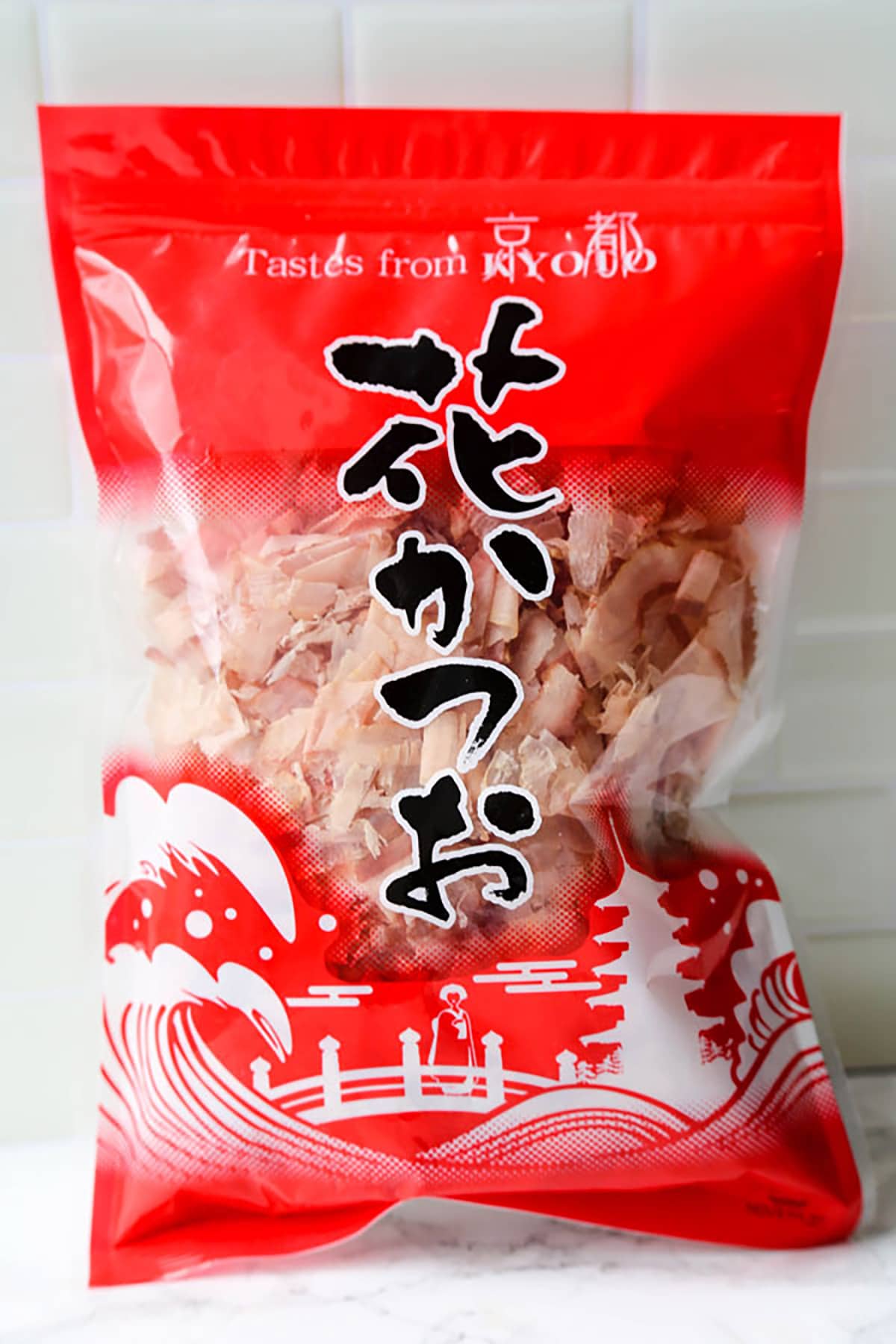
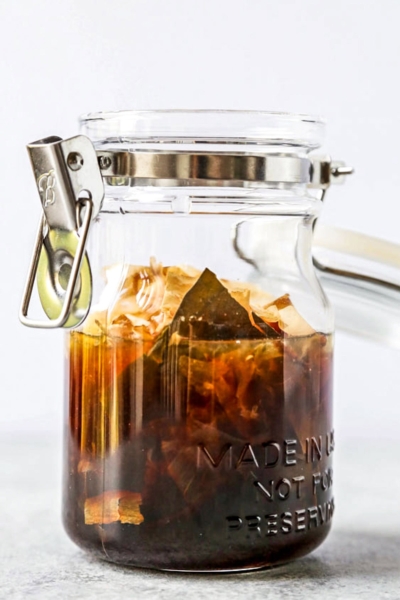
To make this traditional awase dashi (合わせだし) recipe you will need two Japanese ingredients and some water.
- Kombu (dried kelp): Kombu is a type of edible kelp rich in natural glutamates, which create umami. It’s responsible for dashi’s savory depth and should be soaked gently rather than boiled aggressively to avoid bitterness.
- Katsuobushi (bonito flakes): Katsuobushi are the fish flakes you see dancing and swaying on top of Japanese salads and traditional dishes such as agedashi tofu and hiyayakko. Katsuobushi is made from dried, fermented skipjack tuna. When added to hot water, it releases smoky, savory notes that balance the mild flavor of kombu.
Where to Buy the Ingredients
Most Asian grocery stores will most likely be selling kelp and bonito flakes. If not, a Korean or Japanese supermarket will definitely have those items for sale. Or you can also buy them online at online retailers like Amazon.
How to Make Dashi
Awase dashi is the most common type of dashi used in Japanese home cooking.
- Place the kombu in water and soak for at least 30 minutes. Some recipes recommend wiping the kombu with a cloth to remove debris. I prefer not to since it can remove a lot of the natural flavors and umami.
- Slowly heat the water until just before it boils, then remove the kombu. This prevents the kombu from getting slimy or too bitter in taste.
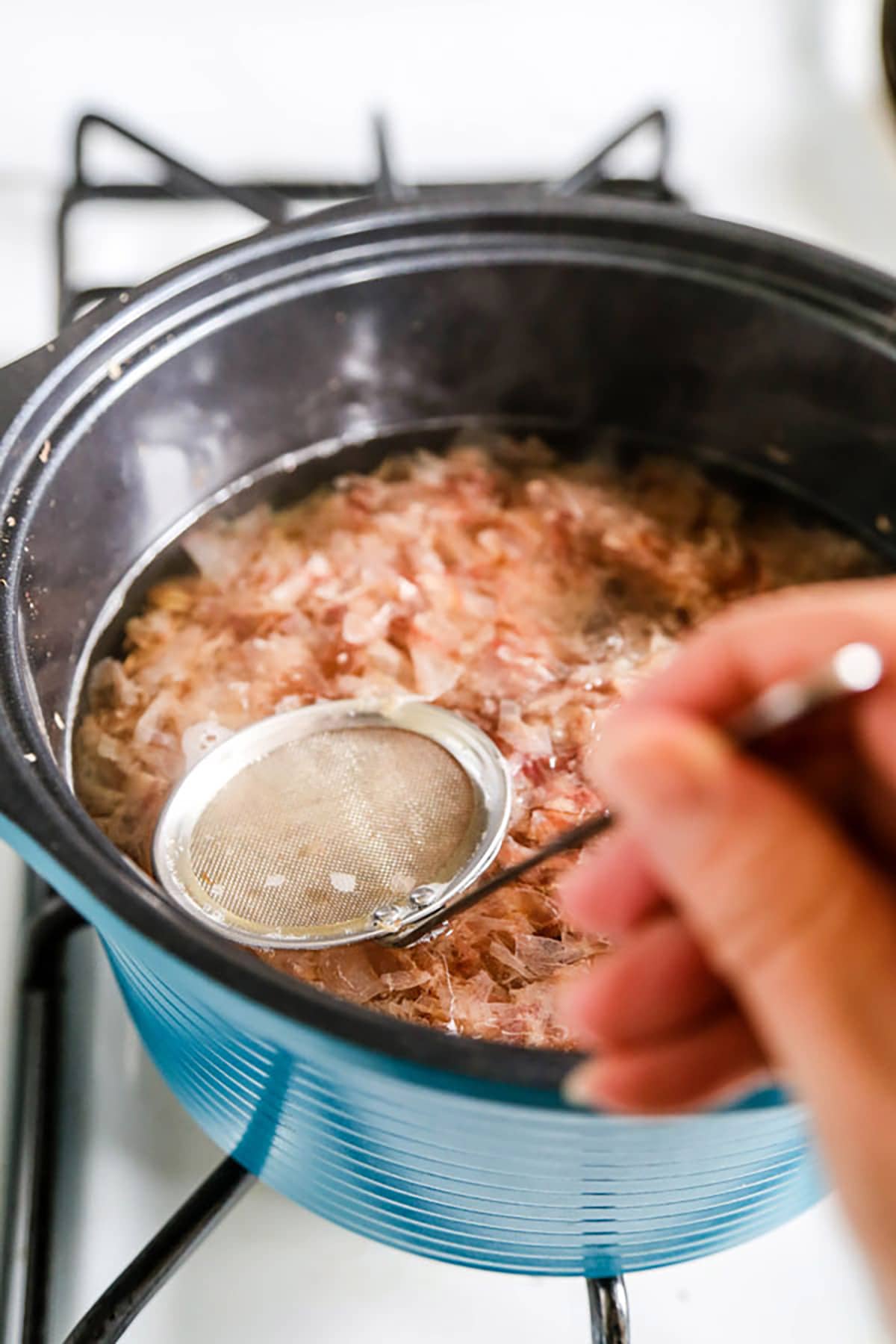
- Add the katsuobushi, bring the water to a gentle simmer, then turn off the heat. Skim off any foam that rises to the top using a small strainer.
- Turn off the heat and allow the mixture to steep for about 15 minutes. This step is very important in order to let the flavor and umami really develop.
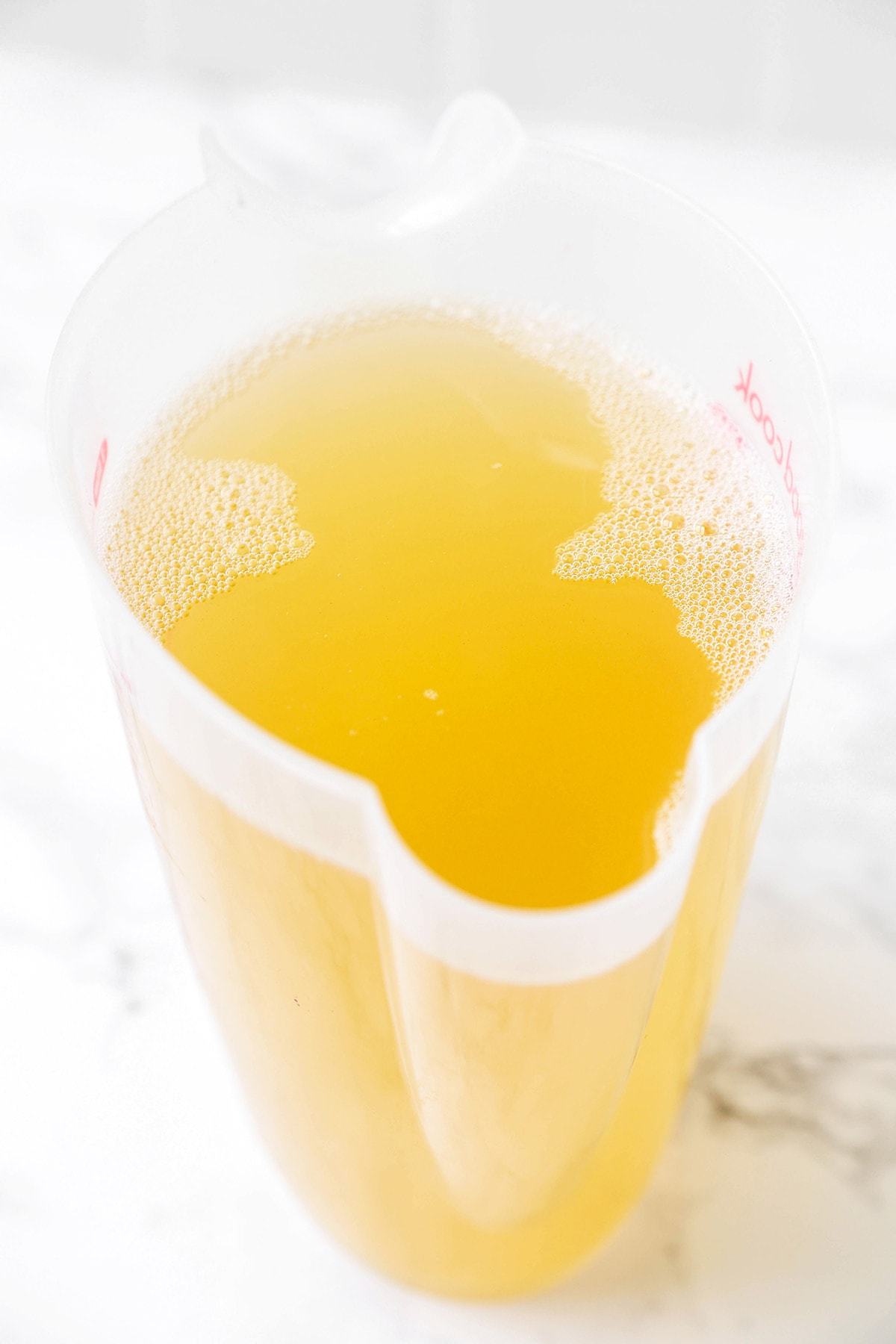
- Strain the broth through a strainer to remove the flakes. Transfer the dashi to a jar or other storage container, or use it immediately.
Scroll down to the recipe card for the full recipe and measurements.
How to Use Dashi
Because it’s mild, dashi pairs well with both simple and bold flavors, making it one of the most versatile ingredients in Japanese cooking.
Dashi is used in a wide range of Japanese recipes, including:
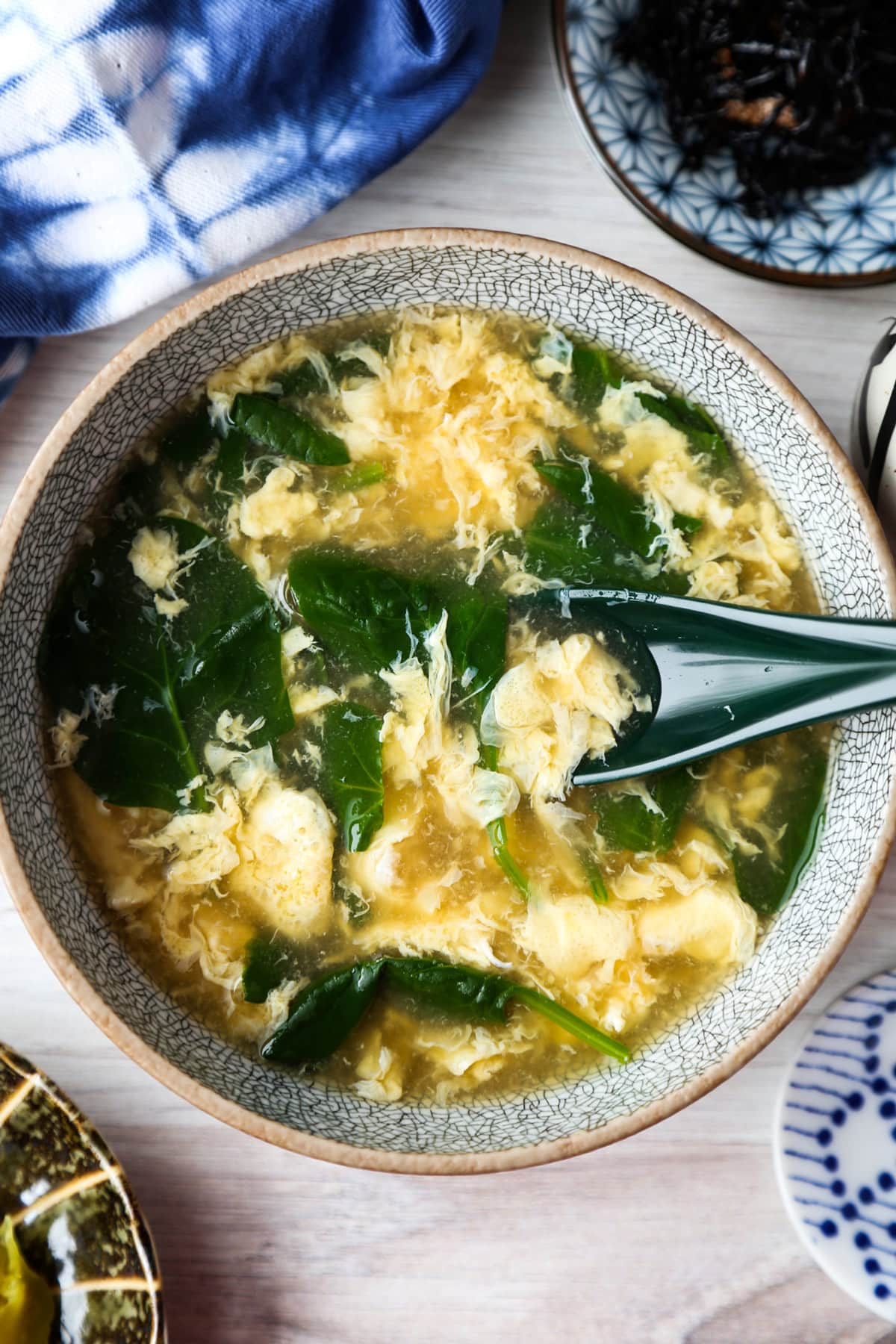
- Soups like eggplant miso soup, cabbage soup with kombu dashi, tofu vegetable soup
- Noodle soups like kitsune udon and toshikoshi soba
- Light sauces and dressings like tempura sauce and mentsuyu
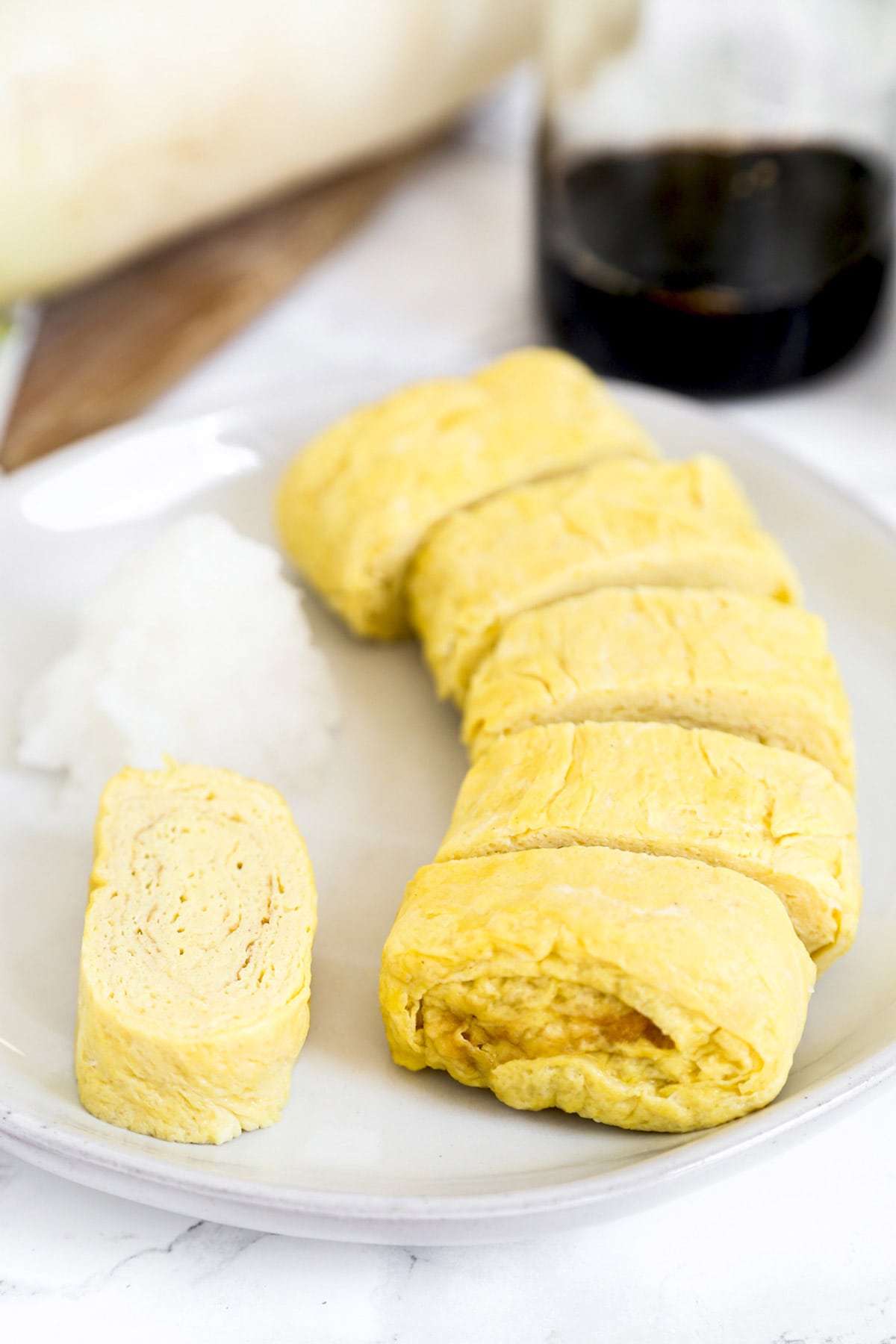
- Popular Japanese dishes like okonomiyaki, yaki udon, yosenabe (Japanese hot pot), and dashimaki tamago
Different Types of Dashi
There are many different types available but the most popular ones used in Japanese cooking are:
- Iriko or niboshi dashi: This broth is made with baby sardines (anchovies) and has a stronger and more assertive flavor.
- Kombu dashi: Made with kombu only, often used in vegetarian and vegan cooking.
- Shiitake dashi: Made from dried shiitake mushrooms, this broth is packed with umami and earthy flavors. It’s also vegan.
Dashi vs Instant Dashi
Instant dashi granules are widely available and convenient, but homemade dashi offers a cleaner, more nuanced flavor. If time allows, making dashi from scratch is worth the effort—especially for dishes where the broth plays a central role, such as miso soup.
That said, instant dashi can still be useful for quick meals and for dishes that are not soup base. Pretty much every Japanese person I know keeps a jar of dashi powder in their fridge at all times. It’s the perfect umami boost to quickly elevate a dish that needs a little something extra.
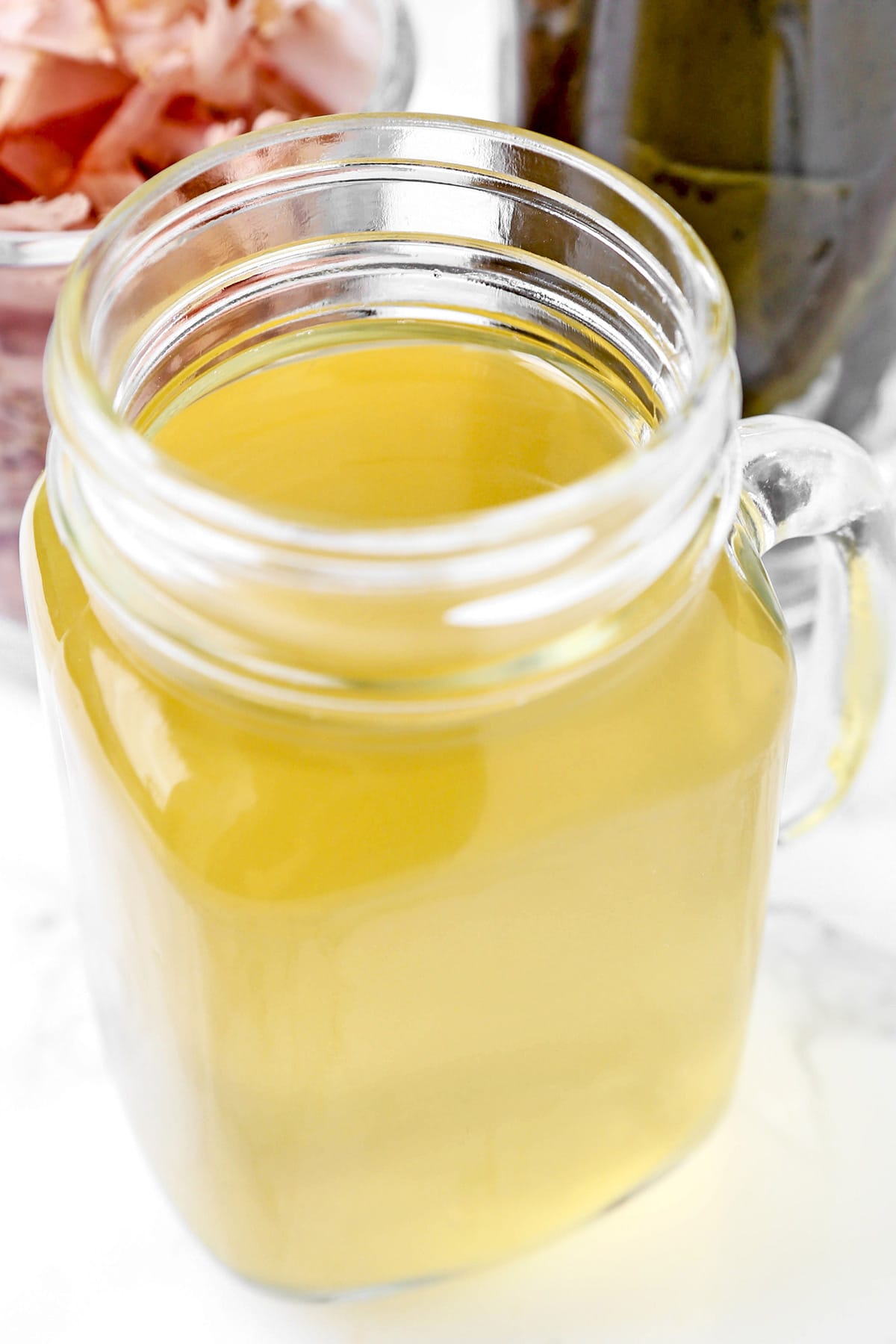
Storage
Fresh dashi tastes best when used the same day but it can be refrigerated or frozen. If you regularly make miso soup or often make Japanese food, keeping homemade dashi on hand makes weeknight cooking much easier.
Fridge: Store dashi in a jar or airtight storage container. It will keep in the fridge for up to 1 week.
Freezer: To make the dashi last longer, freezing it is a great option! First, let it cool down to room temperate and divide it up into small portions (I like to use airtight bags to save on space). Freeze for up to 1 month.
Did you like this tutorial? Are there variations in your own dashi recipe that you would like to share? Share your tips and recommendations in the comments section below!
How to Make Dashi
Dashi is a Japanese soup stock made from kombu and bonito flakes. It adds a clean, savory umami flavor and is commonly used in miso soup and noodle dishes.
- Prep Time: 5 minutes
- Cook Time: 20 minutes
- Total Time: 55 minutes
- Yield: 6 Cups 1x
- Category: Soup
- Method: Boiling
- Cuisine: Japanese
- Diet: Low Calorie
Ingredients
- 6 cups water
- 20 grams kombu (preserved kelp).
- 4 cups katsuobushi (dried, shaved bonito flakes)
Instructions
- Add the water and kombu to a stockpot and let kombu steep at room temperature for at least 30 minutes (you can soak the kombu for up to 6 hours if you have the time to wait).
- Place a medium pot over medium heat and bring to a boil.
- Remove the kombu right before the water reaches full boil.
- Turn the heat off and allow the liquid to cool slightly (you can also add a tablespoon or two of cold water to cool quicker).
- Add the bonito flakes and stir until they soak the water. Bring the dashi to a boil again
- Once boiling, decrease the heat to low and simmer for 5 minutes, skimming off any foam that rises to the top.
- Turn off the heat and let steep for 15 minutes.
- Strain the liquid through a cheesecloth or a fine sieve to remove bonito flakes from the liquid.
- The dashi can be used immediately or stored in the fridge for up to 1 week.
Notes
Vegan dashi: Skip the bonito flakes and use 40 grams of kelp to infuse more kelp flavor. Skip steps 5, 6, and 7.
WHAT TO DO WITH USED BONITO FLAKES AND KOMBU
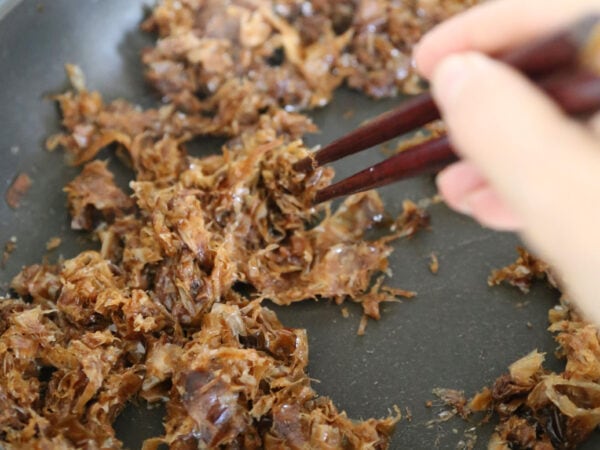
Reusing katsuobushi (bonito flakes)
The best way to reuse bonito flakes is to make this easy furikake recipe. Furikake is extremely easy to make and can be used as a rice topping, for onigiri, and as a seasoning for pasta and other noodles dishes.
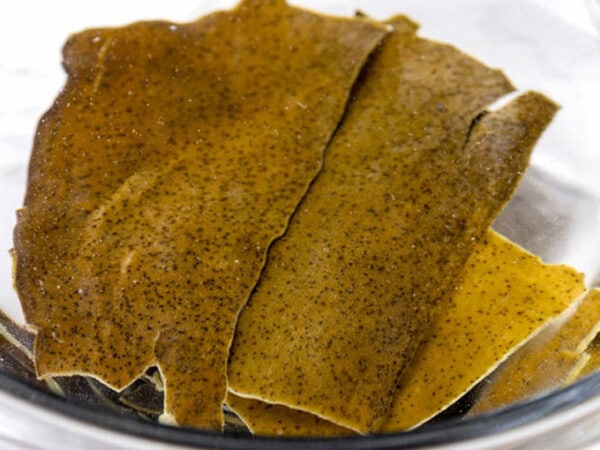
Reusing kombu
I learned this trick from my mother who hates to waste any food.
- Slice the kombu into strips and pan fry for a few minutes.
- Drizzle a little sesame oil and soy sauce and fry for a few seconds. Eat as a side with rice and other pickles.
Nutrition
- Serving Size: 1/2 cup
- Calories: 11
- Sugar: 0g
- Sodium: 266mg
- Fat: 0g
- Saturated Fat: 0g
- Unsaturated Fat: 0g
- Trans Fat: 0g
- Carbohydrates: 0.2g
- Fiber: 0g
- Protein: 0g
- Cholesterol: 5mg
Dashi is different from Western broth or stock. While broth is often simmered for hours, dashi is made quickly and gently to extract umami without heaviness.
You can use a dash of soy sauce or shirodashi (white soy sauce) to impart flavors that are similar to dashi. The taste will not be the same but you will get the umami and slight saltiness.
Yes, the brand is called Kanoya. Kanoya is a brand that has been around since 1893 and offers high quality dashi powder (up to 30 different flavors). Some of their dashi can be found online such as Amazon.








Questions and Reviews
Seems like a huge typo in the dried bonito flakes amount. 20 gr equals about 1/8 of a cup, not 4 cups!!!!!!!
Hi Erica, it’s 20 grams of kelp, not bonito flakes 🙂