Yaki udon is one of my go-to dishes whenever I have a busy schedule and need something quick, comforting, and satisfying. The udon noodles are stir fried in a simple mixture of butter, soy sauce, and dashi powder, and finished with bonito flakes, fresh scallions, and shredded nori. It’s savory, chewy, buttery, and full of umami — and it only takes about 15 minutes from start to finish.
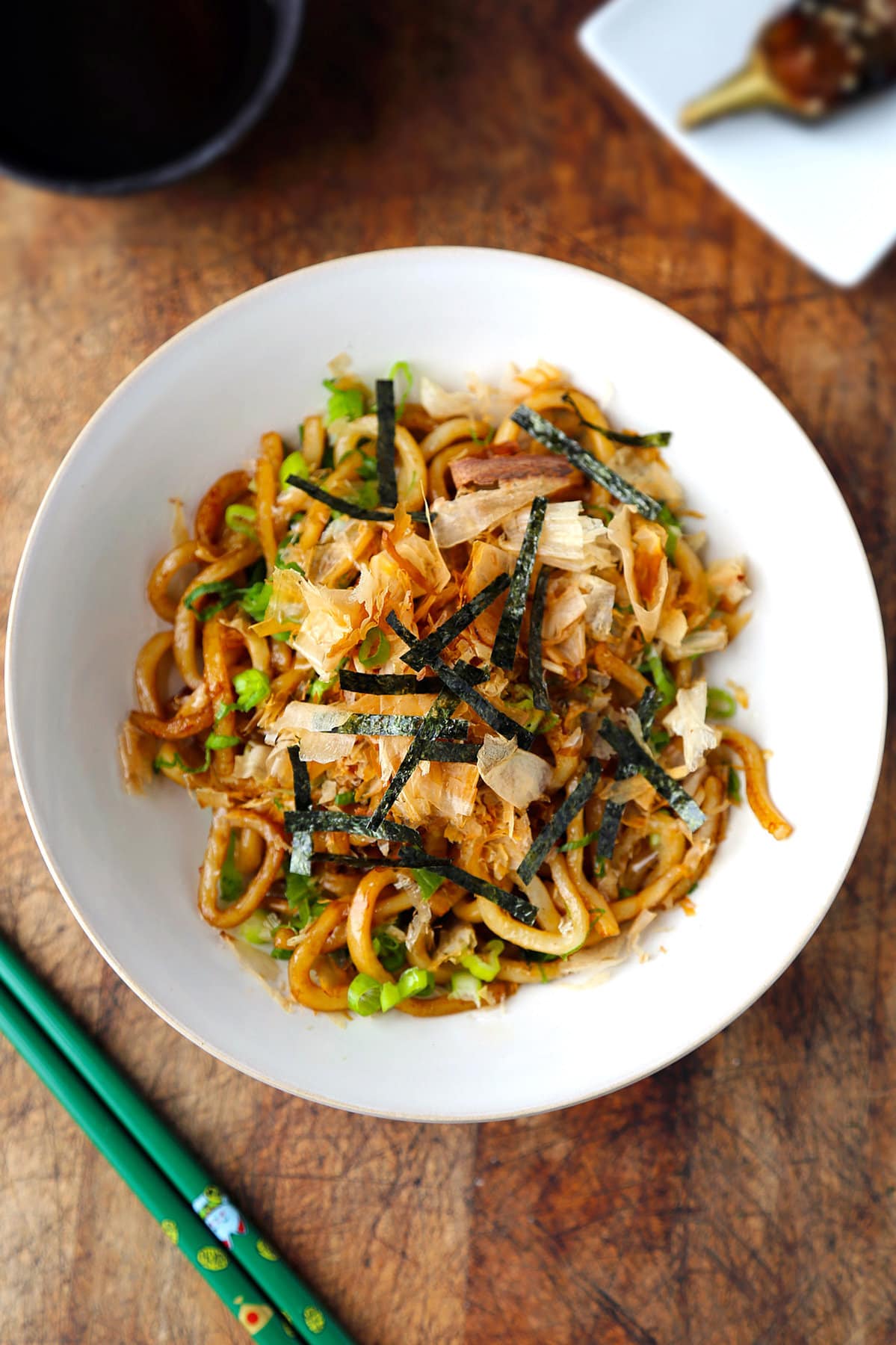
Yaki udon is one of those dishes you can find everywhere in Japan. It’s a cheap and tasty noodle dish served at izakayas, family restaurants, and even sold premade in Japanese convenience stores and supermarkets. It’s also a dish I grew up eating because udon is my mother’s favorite type of noodle. She often made it for lunch and topped her noodles with sliced cabbage and carrots, almost like yakisoba.
My yaki udon recipe is a little different from hers, and quite different from a traditional yaki udon. This version is more minimal: thick udon noodles coated in a buttery dashi soy sauce, with smoky bonito flakes and nori on top. It’s simple, deeply savory, and very easy to make.
Table of contents
What is Yaki Udon?
Yaki udon is a Japanese stir fried noodle dish made with thick, chewy udon noodles. It’s similar to yakisoba in the sense that the noodles are cooked in a hot pan and tossed with seasonings, but the texture is completely different because udon noodles are much thicker and softer than yakisoba noodles.
A more traditional yaki udon often includes vegetables such as cabbage, carrots, or onions, and sometimes pork, seafood, or fish cakes. My version is much simpler, using only butter, soy sauce, dashi, bonito flakes, and nori.
Since the noodles are pan fried, this dish is still considered yaki udon — yaki meaning “fried” or “grilled,” and udon referring to the noodles.
Yaki Udon Ingredients
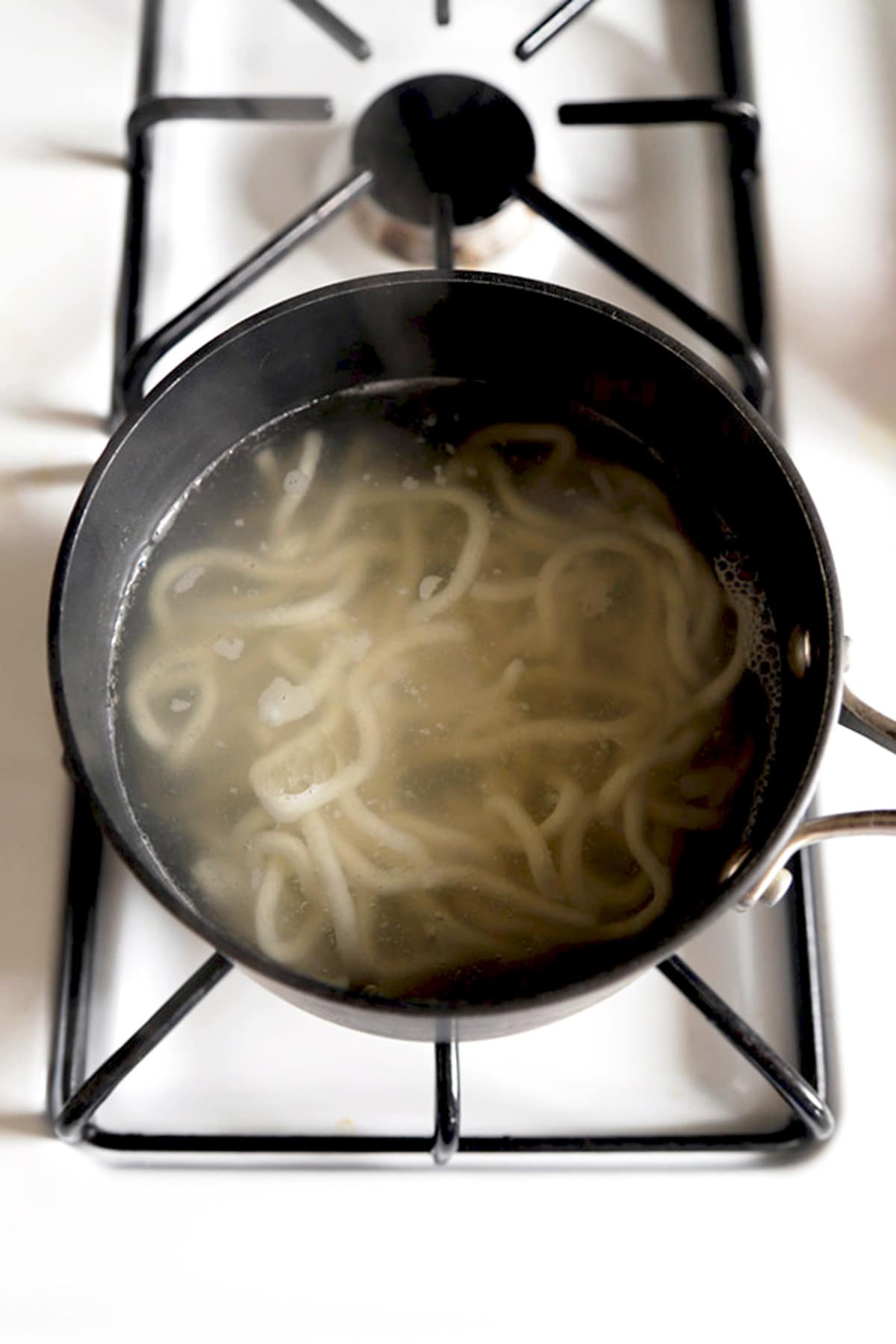
- Udon noodles: Fresh or frozen udon noodles work best because they are thick, chewy, and bouncy. You can read more about how they compare to soba noodles in my soba vs udon noodles guide.
- Butter: The butter adds depth of flavor and makes this simple noodle stir fry taste comforting. I recommend using salted butter (vegan butter also works).
- Dashi powder: Dashi powder is a powder made from a mixture of dried bonito flakes, sardines, sometimes other types of fish, and kelp. It has a pleasant fish taste and is packed with umami. The better the dashi you buy, the more complex your dishes will taste.
- Soy sauce: For this recipe you will need Japanese soy sauce such as Kikkoman or Yamasa. The reason is that Japanese soy sauce is more complex in flavor than dark soy sauce or other types of soy sauce.
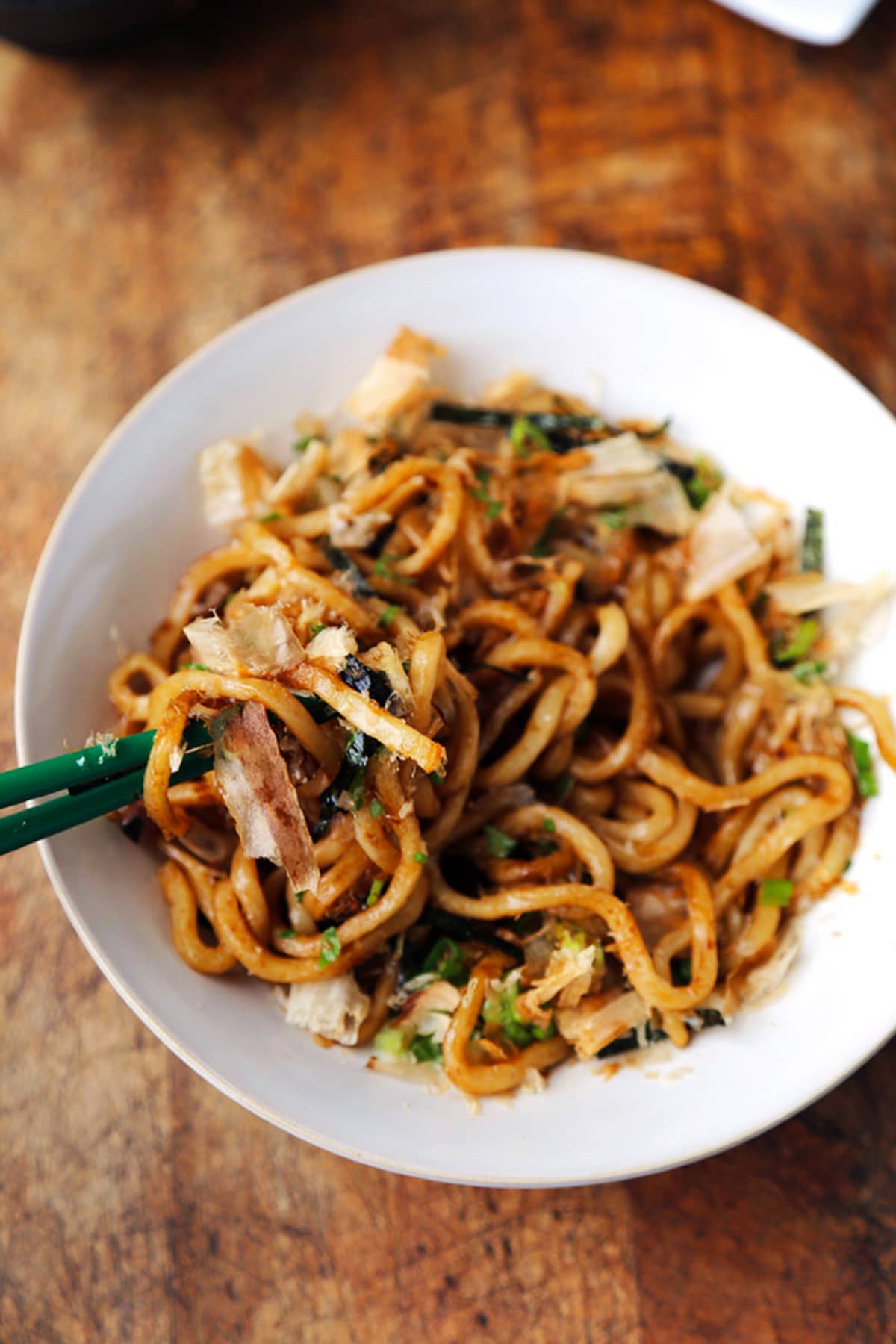
- Bonito flakes: Bonito flakes, called katsuobushi in Japanese, add an extra layer of umami and absorb the flavors of the sauce so that every bite you savor is epic.
- Green onions: Chopped green onions add a nice crunch to the dish and a beautiful green pop of color.
- Nori: These toasted seaweed sheets have a mineral taste that pair beautifully with the overall taste of the dish. They complete the dish and look beautiful too.
How to Make Yaki Udon
Scroll down to the recipe card for the full recipe.
- Prep and gather all of your ingredients.
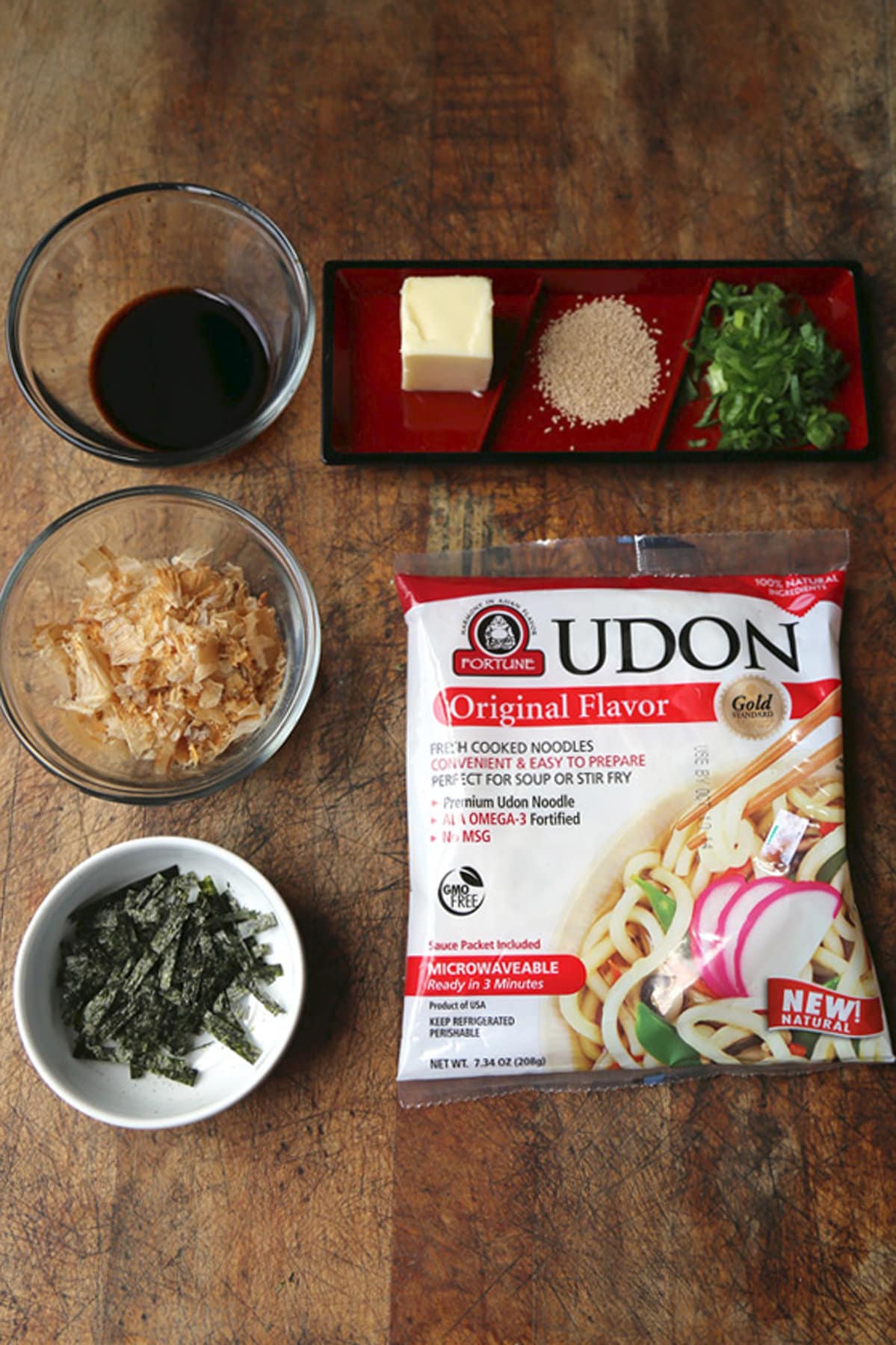
- Fill a small or medium pot with enough water to cook the noodles, and bring to a boil.
- Add the noodles and cook them according the directions on the package. Fresh and frozen noodles usually need 2 to 3 minutes to cook. Drain the noodles and set them aside.
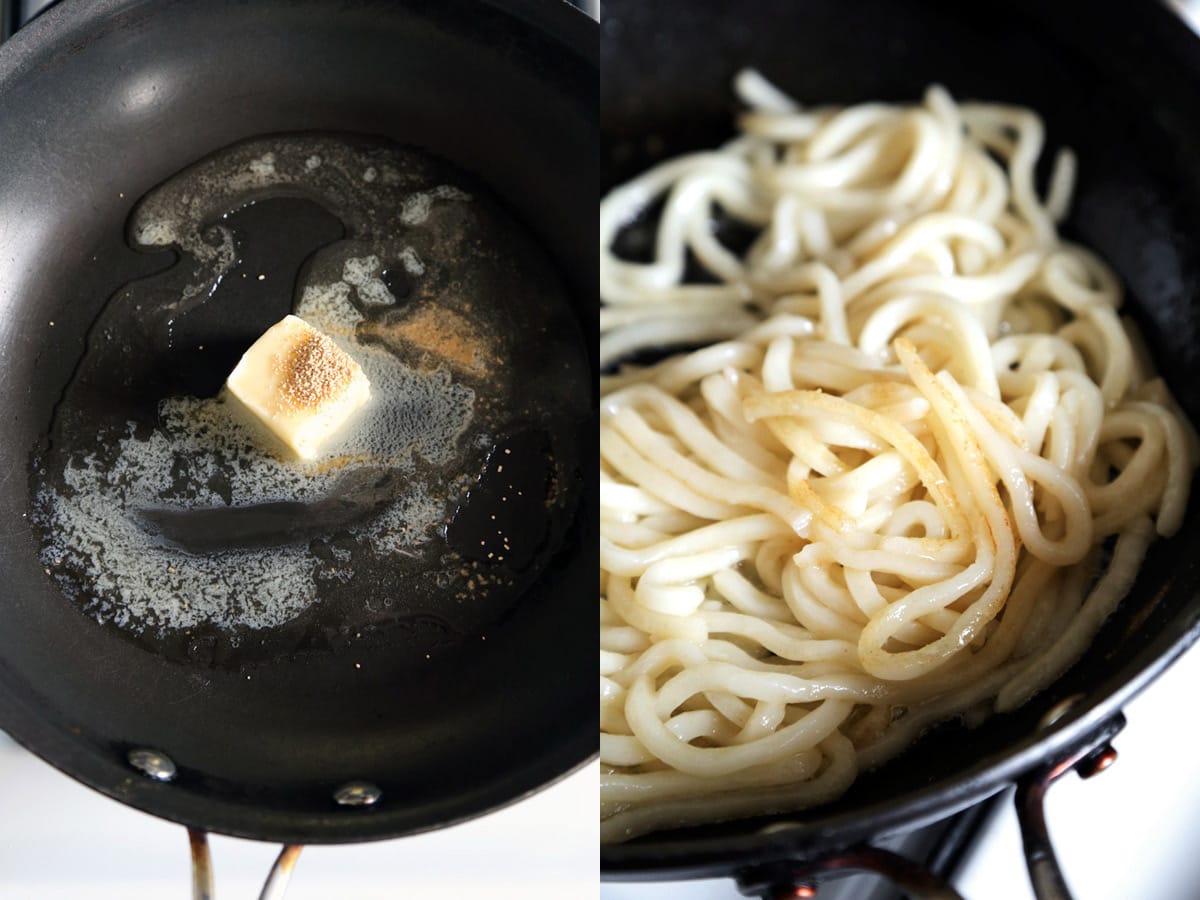
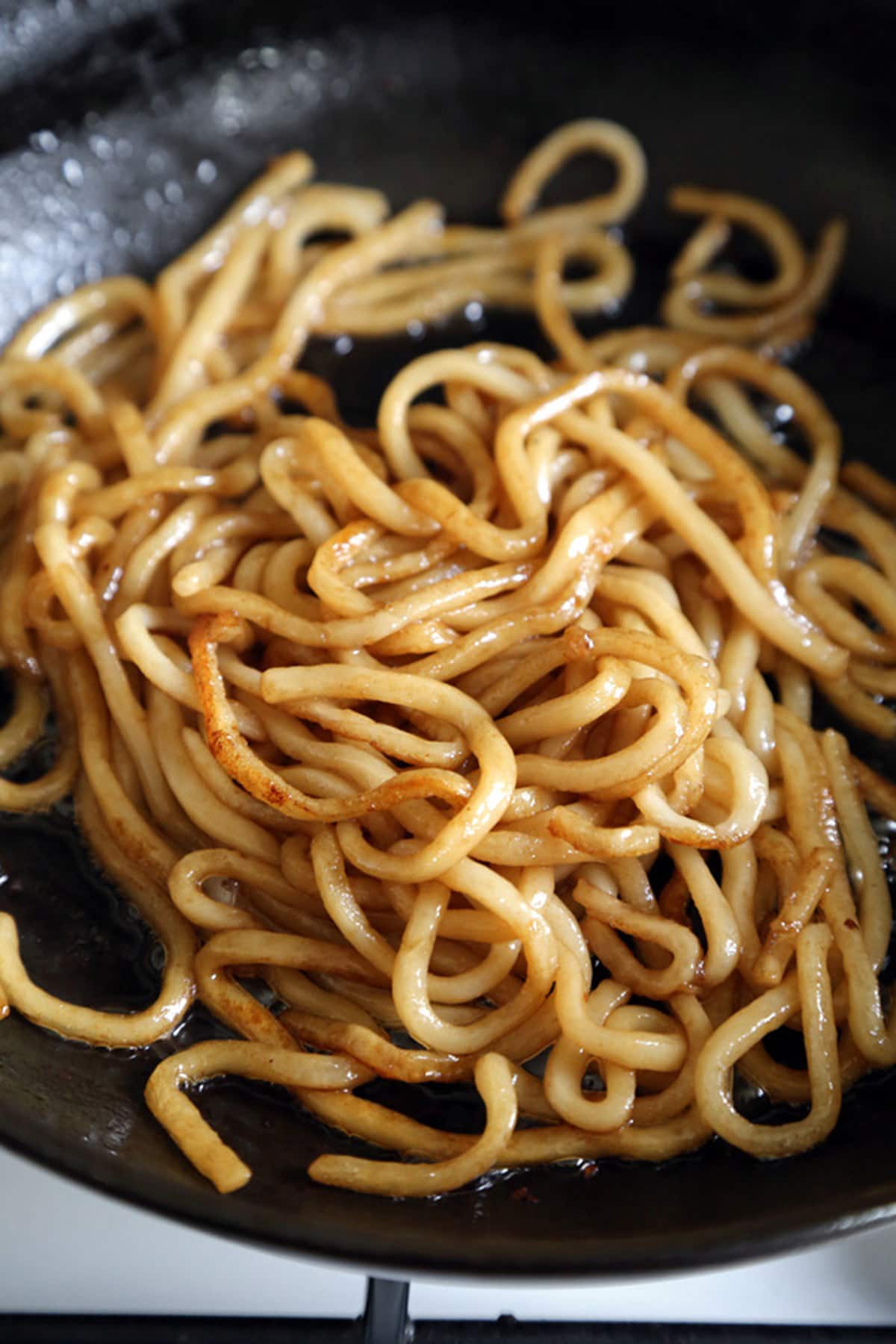
- Add the butter, dashi powder, and water to a skillet over medium high heat, and stir until the butter has melted and is bubbling.
- Add the udon noodles and toss them a few times to coat evenly. Cook the noodles for 2 to 3 minutes, until they are soft but a little crunchy on the outside (light brown in color).
- Stir in the soy sauce, coat the noodles evenly and turn the heat off.
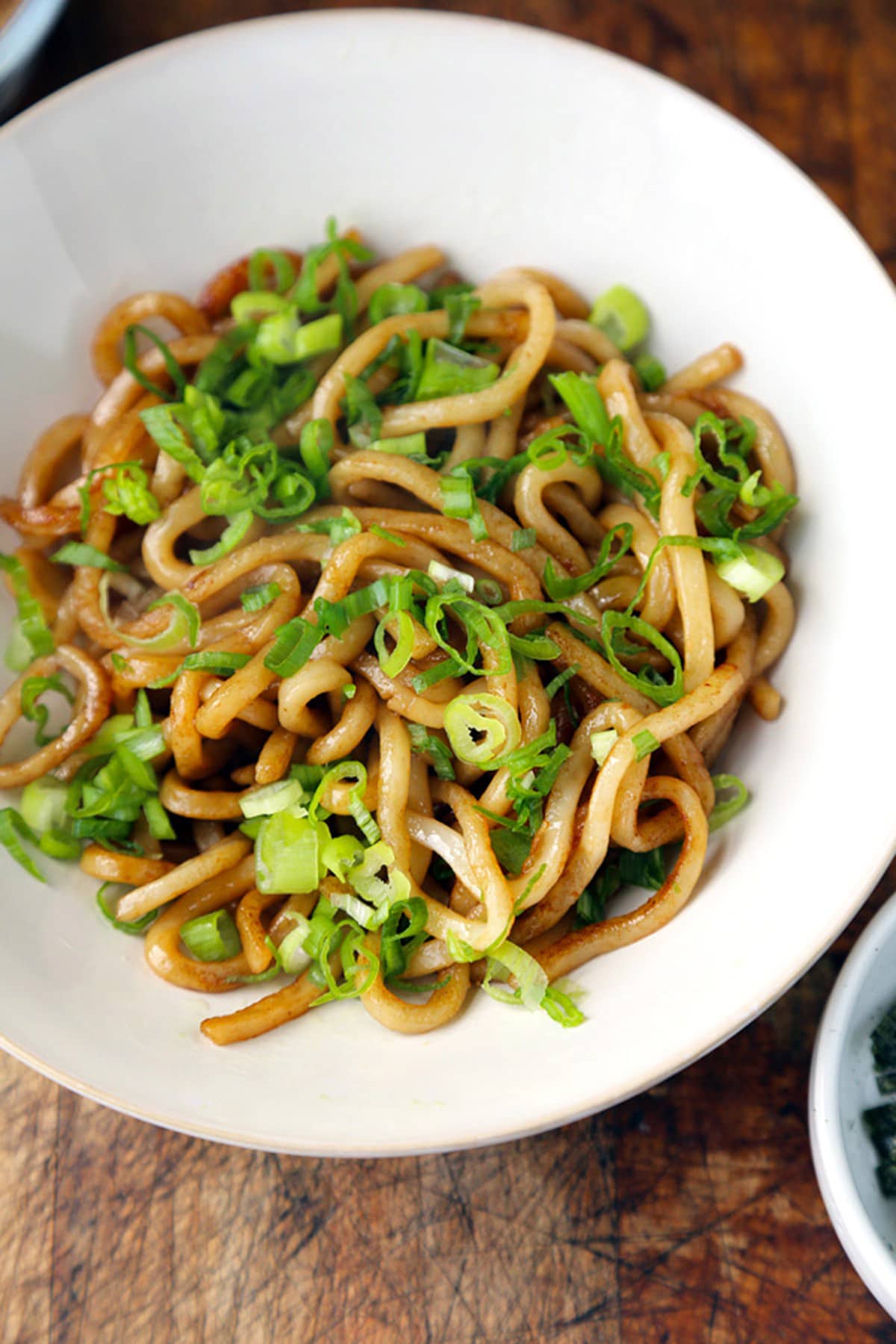
- Transfer the udon noodles to a plate and top with bonito flakes, green onions, and nori. Serve.
Stir Fried Udon Noodles Variations
For more flavor or to make this dish more filling, here are some ideas on how to tweak the recipe:
- Add vegetables: Thinly sliced carrots, cabbage, bean sprouts, or onions are all good options. Add them to the pan before the noodles and stir fry until they are just tender.
- Add protein: Cooked chicken, shrimp, beef, tofu, or a fried egg can make the dish more filling.
- Add sweetness: Add 1/2 teaspoon of sugar if you like a slightly sweeter sauce.
- Add texture: Sprinkle sesame seeds on top to add a nice crunch and extra nuttiness.
- Make it spicy: Add a pinch of red pepper flakes, a drizzle of chili oil, or a small squirt of sriracha.
- Make it vegetarian: Use kombu dashi powder instead of regular dashi powder, and skip the bonito flakes.
Cooking Tips
- Use fresh or frozen udon noodles. They have the best chewy texture. Dry udon noodles also work, but the texture will be a little less bouncy.
- Loosen the noodles gently. To prevent them from breaking during the boiling process, gently shake the noodles using chopsticks to loosen them. Wait about 1 minute after adding them to boiling water to give them a chance to loosen on their own.
- Drain the noodles well. Too much water in the pan can dilute the butter, dashi, and soy sauce.
- Let the noodles develop a little color. A little browning gives the udon a better texture and a more stir fried flavor.
- Add a little oil if you cooked the udon noodles but planning to use them later. Stir the noodles with about 1 teaspoon of oil (I use sesame oil) until they are evenly coated. This will prevent them from sticking together once they cool down.
Storage
Place the leftovers in an airtight storage container and refrigerate for up to 2 days.
Freezing: Freezing yaki udon is not recommended as the texture of the noodles may get mushy. Ultimately, it’s best to eat this dish fresh. Plus, if you are using frozen udon noodles that have been thawed, refreezing them will result in drier noodles and overall loss of quality.
A Different Udon Dish for Every Season
One of my favorite aspects about eating udon is that, in Japan, you will find preparations that match the season. For example, in the hot summer months, cold dishes like bukkake udon ( ぶっかけ うどん) and zaru udon ( ざる うどん) are served with light summery broths. A great way to beat the heat!
However, in the winter months, you can expect to be served more hearty and warming preparations like curry udon and kitsune udon.
Yaki udon and this kimchi udon, on the other hand, has no season and can be served year-round.
What to Serve with Yaki Udon
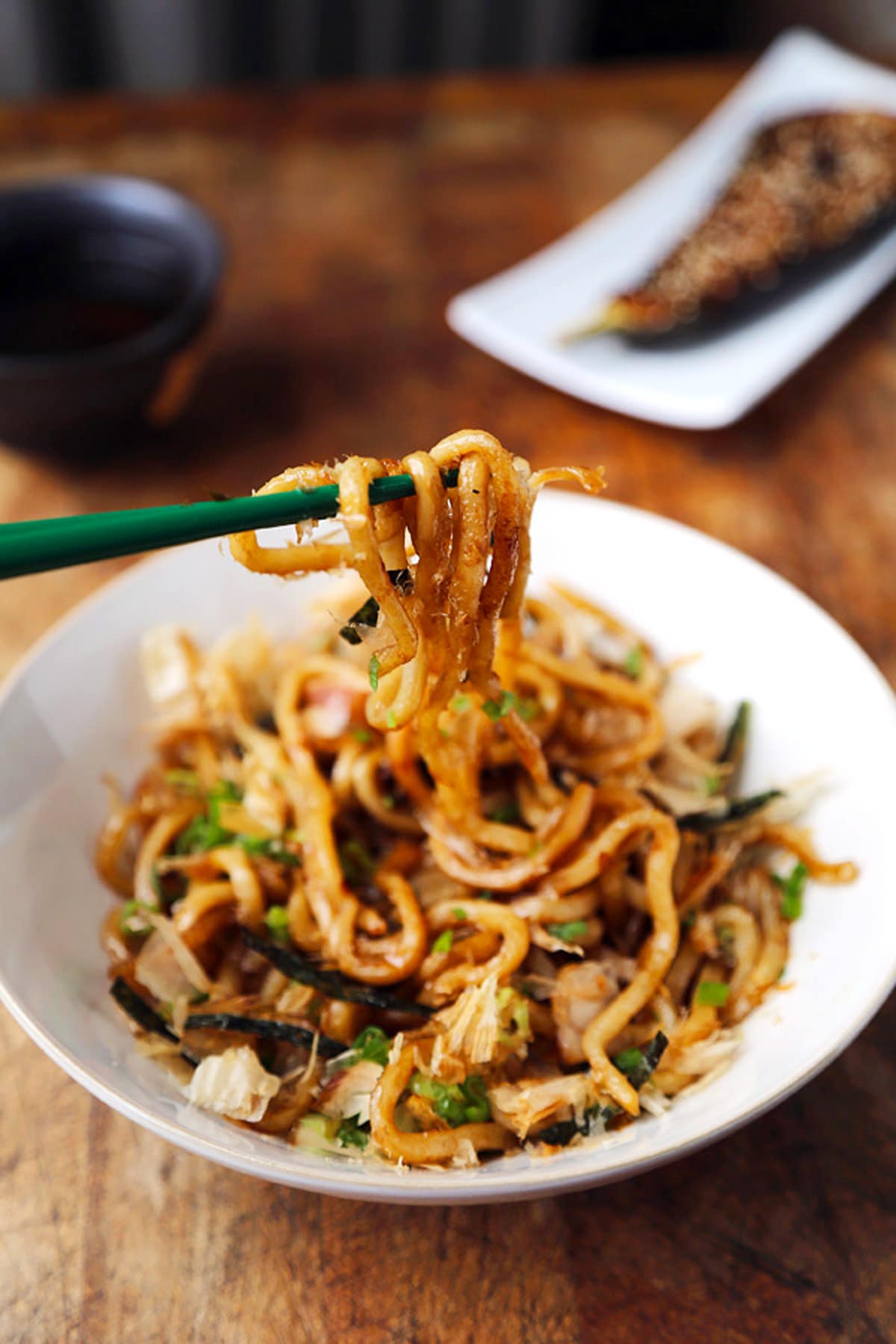
Whenever I make these stir fried udon noodles I like to serve them with a simple soup, some pickles and greens on the side.
Here are some of my favorite side dishes:
- Vegan kimchi
- Nasu dengaku
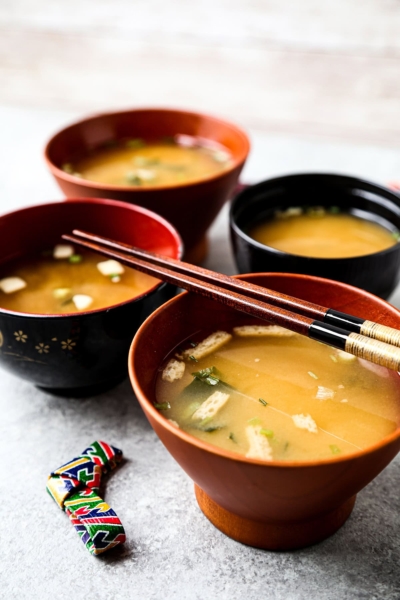
- Miso soup
- Iceberg lettuce with Japanese restaurant style carrot ginger dressing
- Gomae (Japanese spinach and sesame salad)
For more easy noodle dishes, check out this collection of 30 Easy Asian Noodle Recipes.
Did you like this recipe? Are there changes you made that you would like to share? Share your tips and recommendations in the comment section below!
PrintYaki Udon
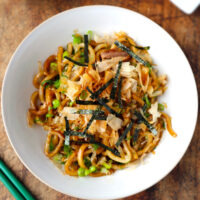
A quick and savory bowl of yaki udon tossed with butter, soy sauce, and dashi, and topped with scallions, nori, and bonito flakes.
- Prep Time: 5 minutes
- Cook Time: 10 minutes
- Total Time: 15 minutes
- Yield: 1 1x
- Category: Noodles
- Method: Stir frying
- Cuisine: Japanese
Ingredients
- 1 package fresh or frozen udon noodles (or 3 ounces dry udon noodles)
- 1 tablespoon butter (salted)
- 1 tablespoon water
- 1/2 teaspoon dashi powder
- 1 tablespoon soy sauce
- 3 green onions, finely chopped
- shredded nori
- bonito flakes (katsuobushi)
Instructions
- Bring a pot of water to boil and add the udon noodles. Cook according to the directions on the package (usually around 2-3 minutes for fresh and frozen noodles, 4-6 minutes for dried udon). Drain well and set aside. If you are not planning to use the noodles right away, toss them in a little bit of sesame oil to prevent them from sticking together.
- In a pan over high heat, add butter, dashi, and water, and stir until the butter is bubbling.
- Add the udon noodles and toss them a few times to coat well. Cook for 3 to 4 minutes, until the noodles are soft but slightly crunchy on the outside (light brown in color).
- Add the soy sauce, turn off the heat, and coat well.
- Transfer to a plate, and top with green onions, bonito flakes, and nori.
- Serve yaki udon immediately.
Notes
Refrigerate the leftovers in an airtight storage container for up to 2 days.
Nutrition
- Serving Size: 1 bowl
- Calories: 413
- Sugar: 1.5g
- Sodium: 731.2mg
- Fat: 12.2g
- Saturated Fat: 7.2g
- Unsaturated Fat: 0.4g
- Trans Fat: 0g
- Carbohydrates: 68.7g
- Fiber: 0.1g
- Protein: 9.6g
- Cholesterol: 30.5mg
Frequently Asked Questions
Yes you can! Yaki udon is good hot and at room temperature so it doesn’t need to be served fresh. However, I don’t recommend making them more than a day ahead to prevent the noodles from getting too hard or mushy.
Microwaving them for about 1 minute is the fastest way to thaw them. The second option is to let them sit in boiling hot water for 1 to 2 minutes while gently loosening the noodles with chopsticks.
While it is an option, it’s not something I would recommend you do. The flavors of this dish are quite delicate and simple and adding something salty and sweet like oyster sauce can overpower it.
No they are not. Udon noodles are primarily made from wheat flour which makes them unsafe to eat for those suffering from celiac disease and gluten intolerance.








5 stars
Making it for the second time. So simple and so utterly delicious. Thank you for sharing! ❤️
Thank you Daniel! 🙂
I just made this for the first time last night and it was delicious! I made no modifications to the recipe other than including sauteed mushrooms towards the end. The ingredients and process was so simple for such a flavorful dish. This is the first time I’ve tried one of your recipes and I’m looking forward to trying more. 🙂
Thank you so much Mariam, and welcome to Pickled Plum! 🙂
My family loves this recipe so much! My picky toddler loves it too!
I love this recipe so much! So tasty! I added some thinly chopped carrots though. 🙂 Thank you so much for sharing.
I’ve never tried upon before, but this recipe was both really easy and so tasty!
Thank you Brooks! 🙂
My new favorite dish!
This was delicious! It’s the first Japanese recipe I’ve ever tried and it was quick and easy. Thank you!
You are so welcome Constance! 🙂
Delicious!! So full of umami and satisfying chewiness, and ready in minutes! I didn’t have any dashi powder so I used a tsp of shiradashi instead which worked perfectly. I’ve made a few of your recipes now and this is the first time I’ve gotten round to commenting. I really enjoy reading your posts as I’m also half Japanese and can really relate to your memories of Japan (like of okosan hanbāgu at Kotobukiya!!) as well as South East Asia (as I grew up in Hong Kong!). That plus your excellent recipes that always turn out great makes your blog one of the only ones I will read regularly. So thank you! And keep it coming ^^ x
Now I’m dying to see what you look like Jo! I can’t believe you also had the okosoma lunch at Kotobukiya, that’s crazy and hilarious at the same time! And thank you for the beautiful, encouraging words, I will keep on churning tasty recipes for as long as I can 😉
Made this twice already. But I bump up the serving size to 100 g udon per person – it’s too delicious to eat so little of it!
Thank you Angela! 🙂
This looks AMAZING – perfect for a quick and delicious weekday dinner! Thanks for sharing!
Wow, what an absolutely beautiful dish! I love that it is relatively simple to make too!
Thank you Ashley! Who doesn’t like a savory bowl of noodles right? 😉
Udon noodles are one of my faves! This dish looks stunning and I can’t wait to try it! 🙂
Thank you Shawn, I also love udon noodles, cold, hot, dry or in a soup. Delish!
Yakisoba is one of my favorite Japanese foods of all time. It always reminds me of the summer festivals. I can’t wait to try this udon version. It sounds delicious!
Thank you Alexis! Keep in touch and let me know how it turns out!