I’ve always been a huge fan of Japanese seaweed salad! With its tangy and briny taste, it’s the perfect side to serve with Japanese classics such as sushi and grilled fish. And it only takes about 15 minutes to make from start to finish!
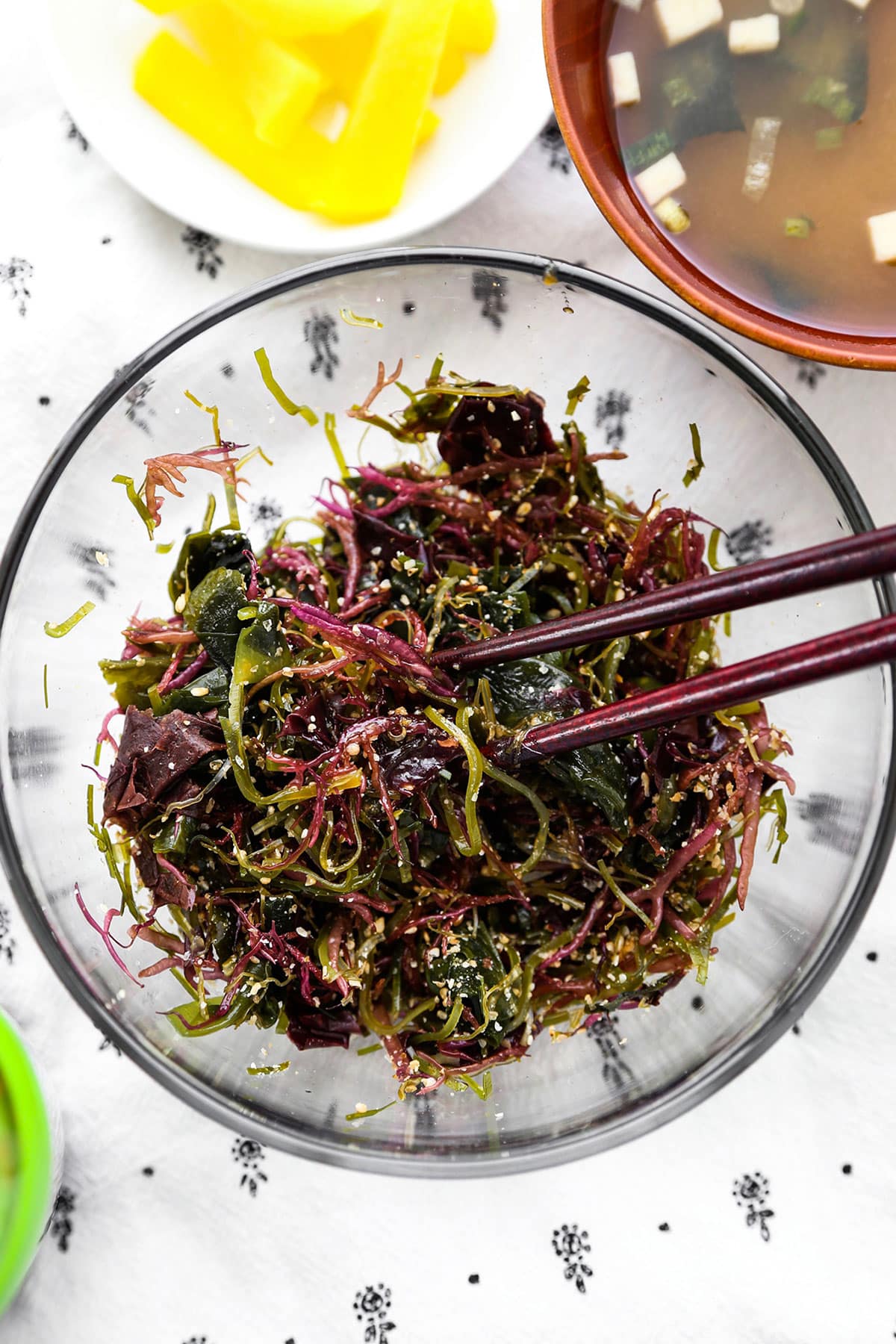
Japanese seaweed salad is incredibly easy to make at home. With just a handful of ingredients – dried seaweed, ginger, mirin, rice vinegar, soy sauce, sesame oil, and a sprinkle of sesame seeds – and about 15 minutes of prep time, the same restaurant-style dish can be recreated, with flavors that you can tweak to your liking.
The dressing is bright, tangy, and just sweet enough to enhance the natural briny flavor of the seaweed without overpowering it. It’s the kind of simple side dish that quietly elevates a meal. Whether you serve it alongside grilled fish, fried dishes such, or a bowl of steamed rice, wakame salad brings freshness and balance to the table.
Table of contents
What is Wakame Salad?
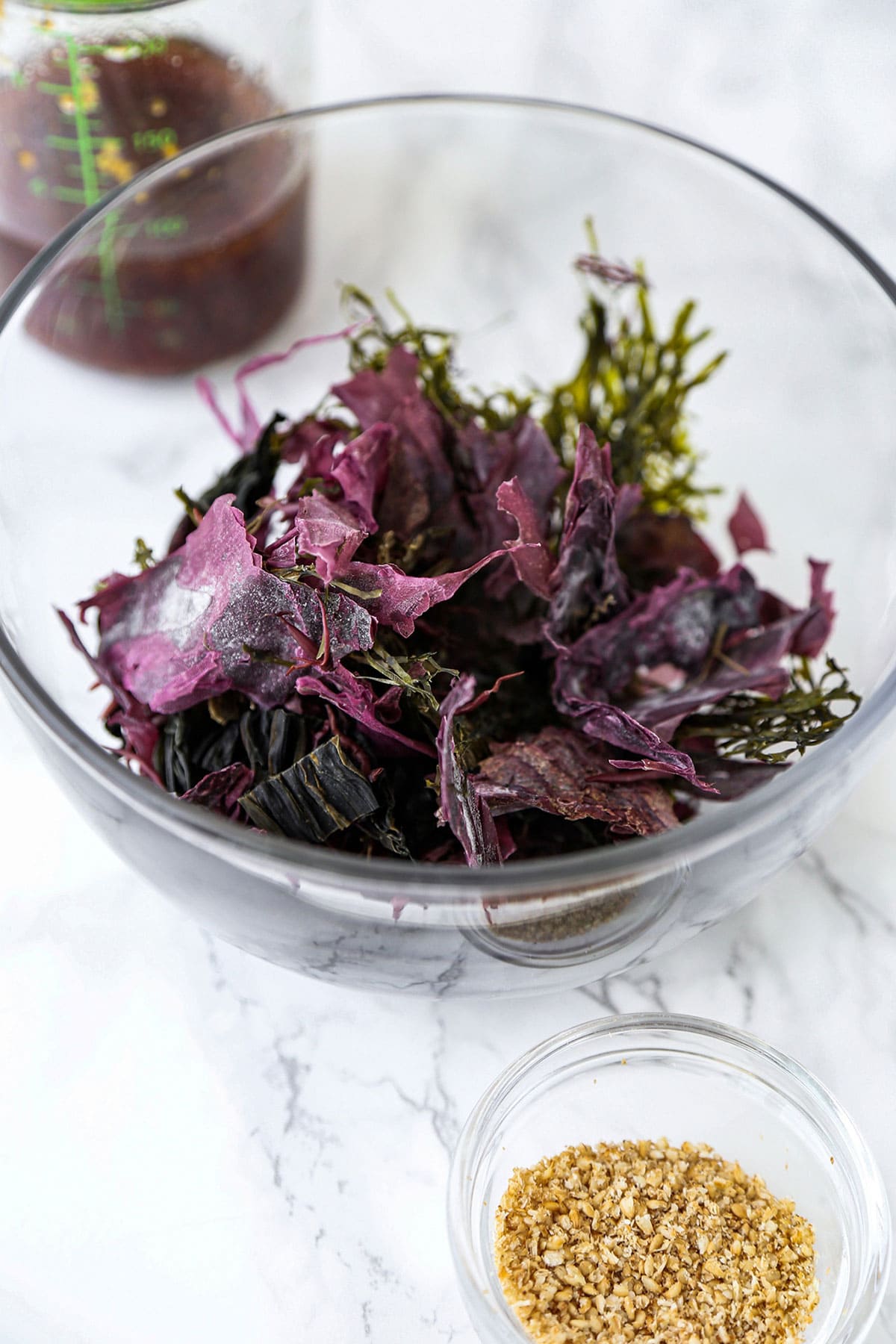
Wakame salad is a classic Japanese side dish made of a variety of dried seaweed that have been rehydrated, served with a simple soy sauce, rice vinegar, and sesame oil based dressing. It’s usually served as a side dish to sushi and other traditional Japanese dishes.
A Note on Wakame
Wakame is most often sold dried. Once soaked in water, the thin dark strands quickly expand and soften, developing a silky texture and a mild, slightly briny flavor.
In Japan, wakame is used in many everyday dishes, including:
- miso soup
- sunomono (vinegared salads)
- noodle soups
- rice bowls
Why some wakame salads are so bright green
If you’ve eaten seaweed salad at sushi restaurants, you may have noticed that it often has a very bright green color.
That color doesn’t usually come from the seaweed itself. Natural wakame is actually a darker olive green. Many restaurant versions are pre-seasoned and colored to create the vibrant green appearance that people associate with seaweed salad.
When you make wakame salad at home using dried wakame, the color tends to be more natural and slightly darker.
Ingredients
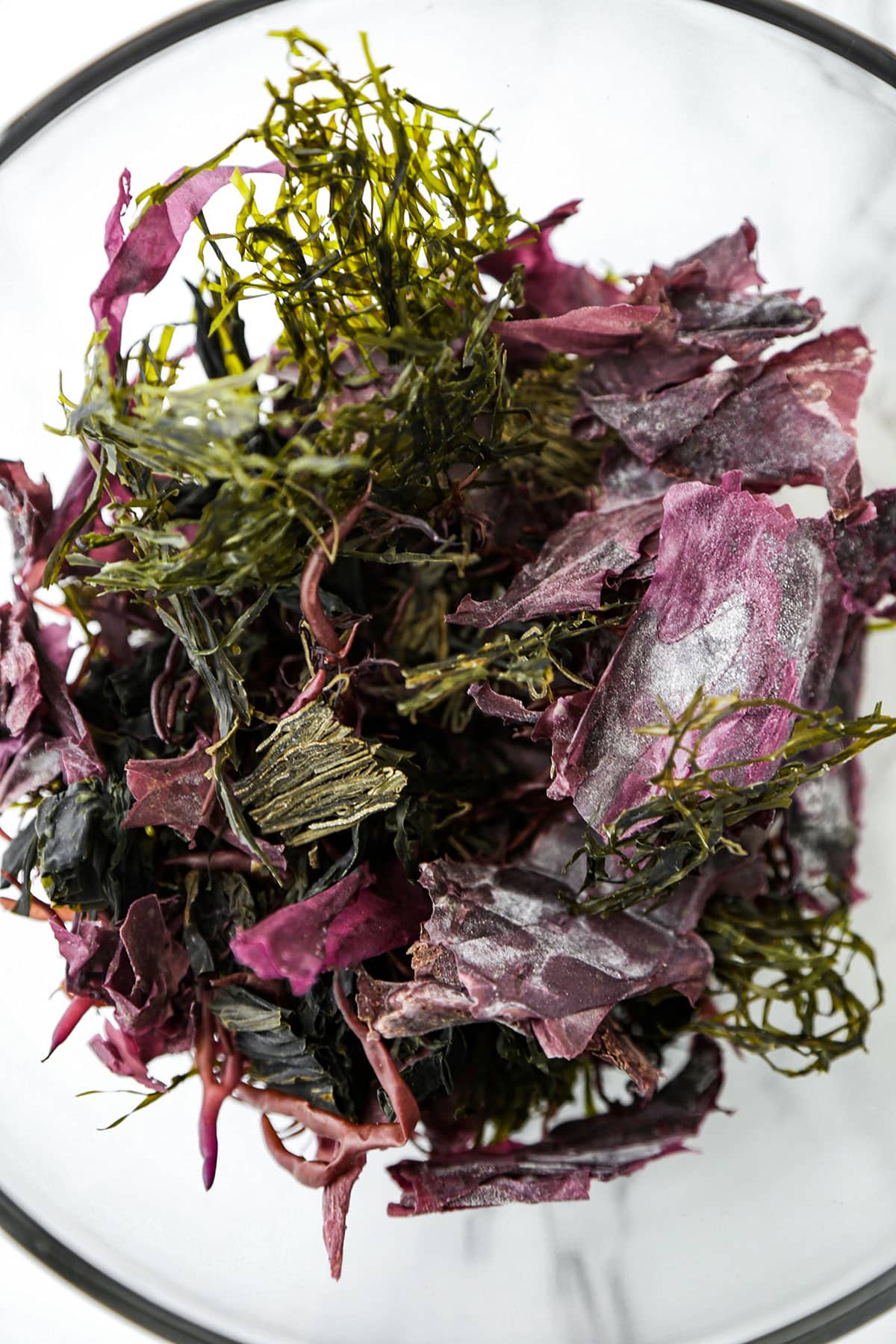
- Seaweed: I recommend using a mixture of dried seaweed so there is more variety in texture and color. Some of the more seaweed used in kaisou salad are wakame, red and green tsunomata, seaweed stem, mafunori, and agar. No need to purchase them separately as mixed seaweed packages can easily be found in Japanese supermarkets (sometimes in Chinese grocery stores too). If you cannot find it, you can still make this salad using only wakame.
- Toasted sesame oil: Make sure to use toasted sesame oil and not just regular sesame oil. That’s because the flavor of toasted sesame oil is much more concentrated and will give the vinaigrette a deep nutty taste.
- Soy sauce: Use regular Japanese soy sauce if you can. Korean soy sauce and Chinese soy sauce are also okay.
- Rice vinegar: Use plain rice vinegar to infuse tartness and a little fruitiness. Apple cider vinegar can be used as an alternative.
- Mirin: Mirin has a slight sweetness and is rich in umami. It helps balance the salty and acidic flavors of the dressing.
- Sugar: A little sugar is added to also balance the salty and acidic flavors.
- Ginger: Only fresh ginger should be used to infuse the dressing with some warmth and a little heat.
- Ground sesame seeds (optional): You can buy ground sesame seeds or crush them yourself. Simply use a pestle and mortar or a Japanese sesame grinder (that’s what I use) to grind them.
Variations
- Spicy: Top the salad with some thinly sliced dried red chilis, or a sprinkle of ichimi togarashi.
- Sweet: Add a little extra sugar to the dressing or a drop of honey for sweetness and a floral element.
- Creamy: Add 2 to 3 tablespoons of Kewpie mayonnaise or regular mayonnaise to the dressing.
- More filling: Add sliced cucumber, cubed tofu, and/or crab sticks. Or top it with some canned tuna or shredded chicken.
- More greens: Add crispy lettuces leaves to lighten up the salad and make it more interesting texture wise.
How to Make It
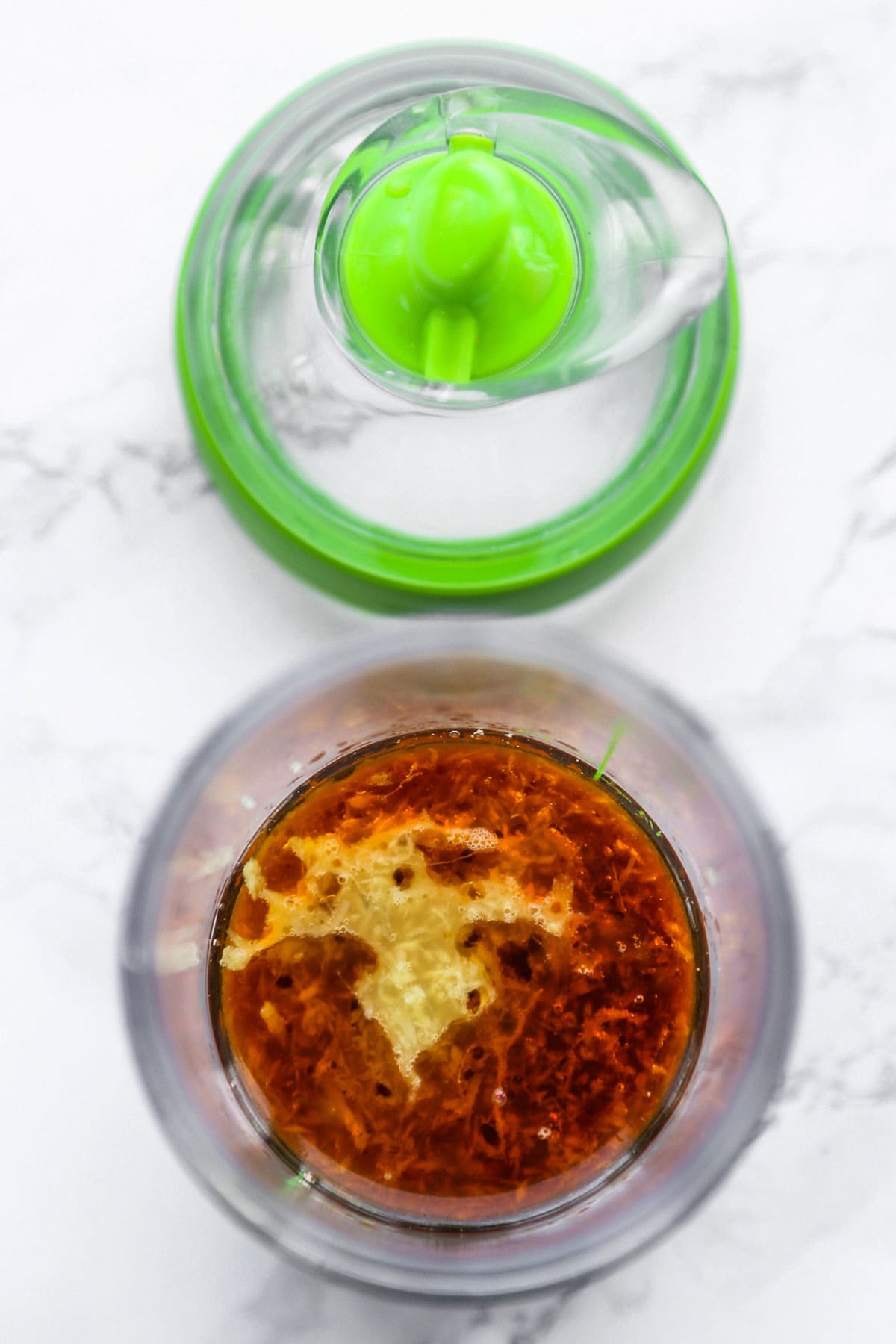
- Make the seaweed salad dressing by whisking the sesame oil, soy sauce, rice vinegar, mirin, sugar, and ginger.
- Place the dried seaweed in a bowl of water and let pieces soak for 5 to 10 minutes – or follow to the directions on the package.
- Drain the seaweed well and gently squeeze out the excess water using your hands.
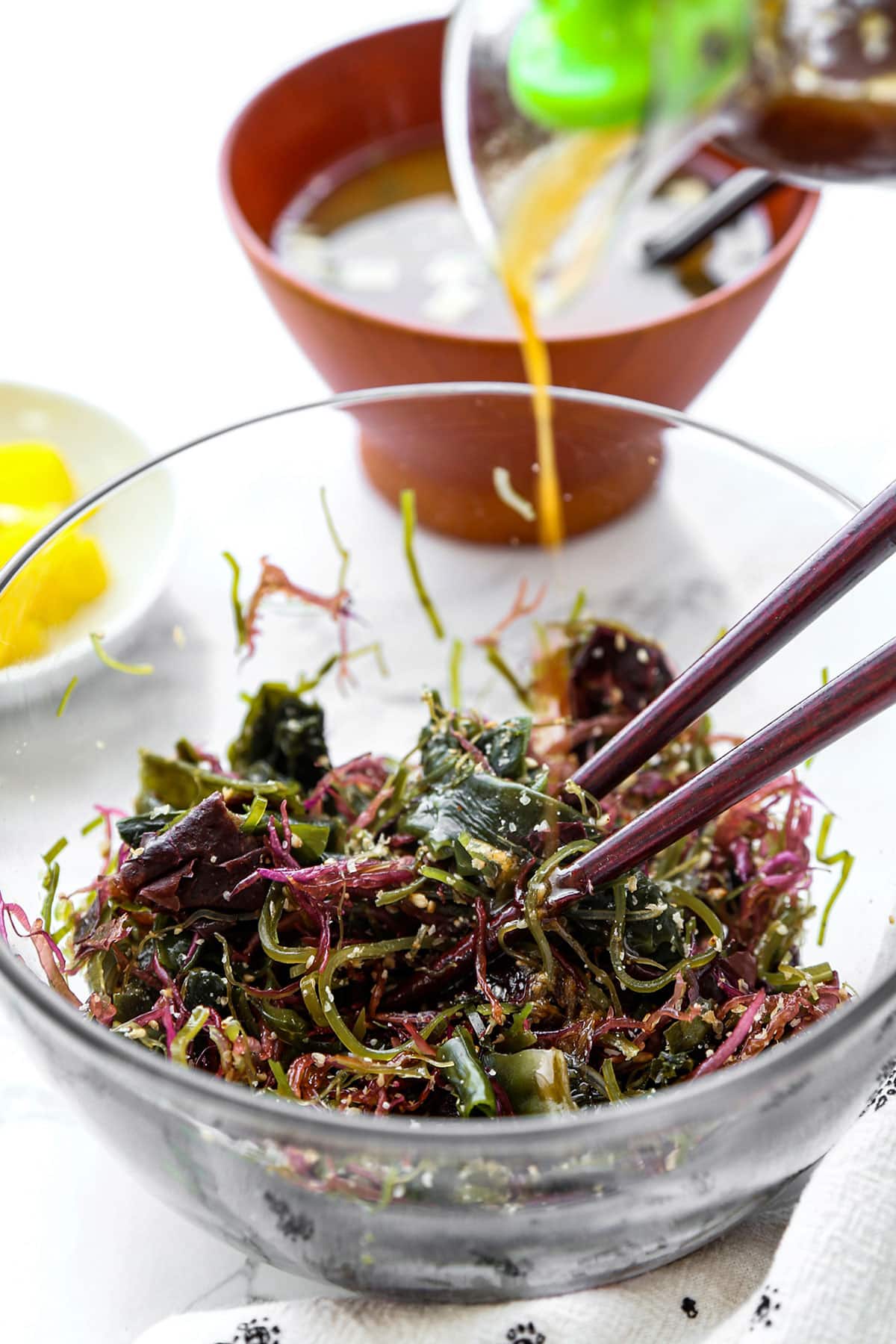
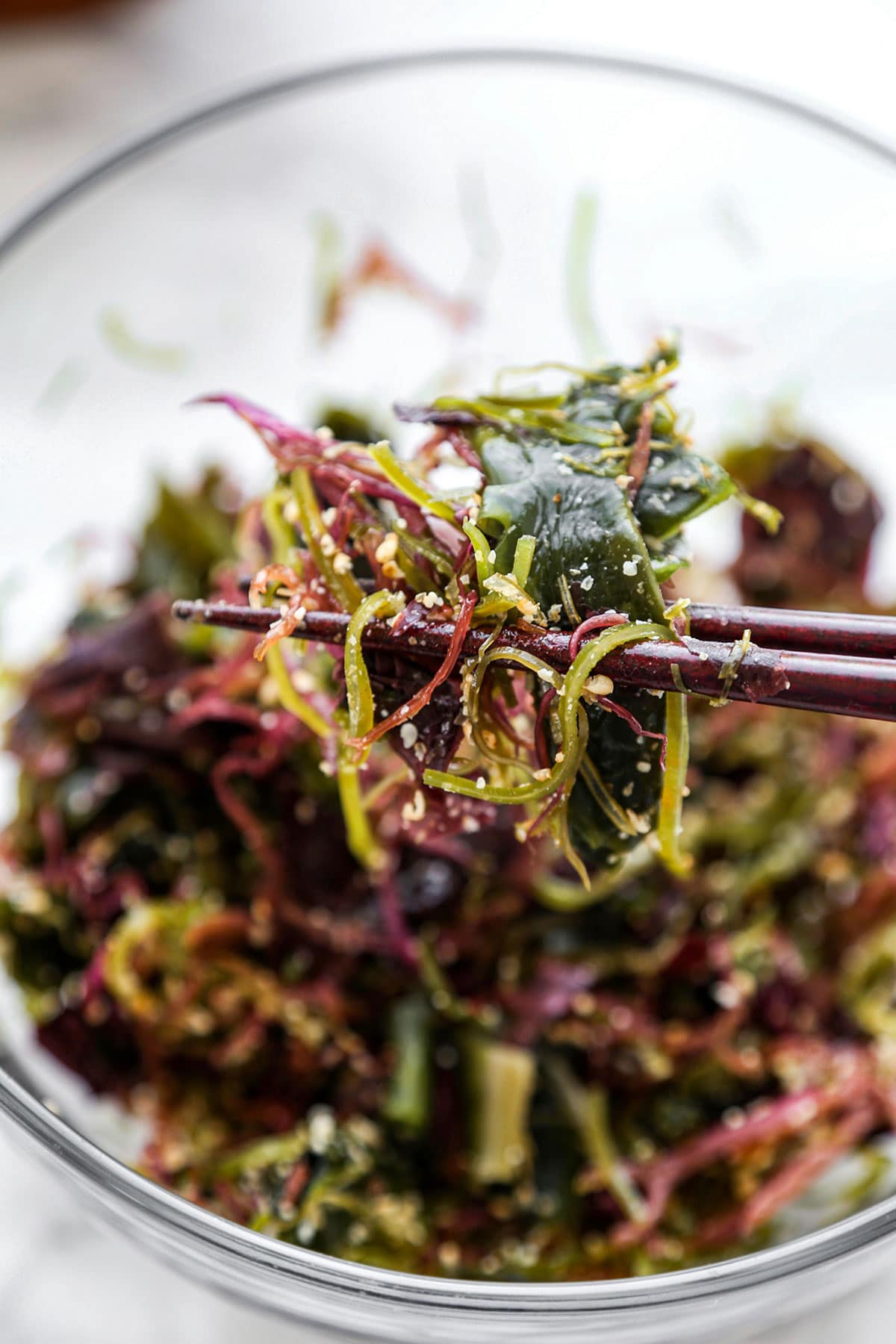
- Toss the seaweed with the dressing and add the ground sesame seeds. Toss again and enjoy!
Recipe Tip
Drain and rinse the seaweed a few times: Once the seaweed is rehydrated, drain and rinse it a few times in cold water to remove some of the fishy smell. Some seaweed can have a strong odor that can unfortunately ruin the overall dish if it’s not handled properly. Using cold water will also make the salad taste more fresh.
Don’t oversoak the wakame
A few minutes is enough. Soaking it too long can make the texture overly soft.
Balance the dressing
Wakame has a delicate flavor, so the dressing should remain light and slightly tangy rather than overly sweet.
Storage
- Seaweed salad doesn’t keep well because the texture of algae gets slimy after it’s been rehydrated for a few hours. For the freshest salad I recommend serving it within 2 hours after it’s been mixed with the dressing.
- Make ahead: The dressing can be made ahead of time and keeps well in the fridge for up to 1 week.
If you enjoy Japanese salads, take a look at these other classic dressings in my Japanese Salad Dressings Guide.
What to Serve with Japanese Seaweed Salad
I personally think that wakame salad pairs well with just about anything! But for the sake of this post I will give you some of my favorite pairings:
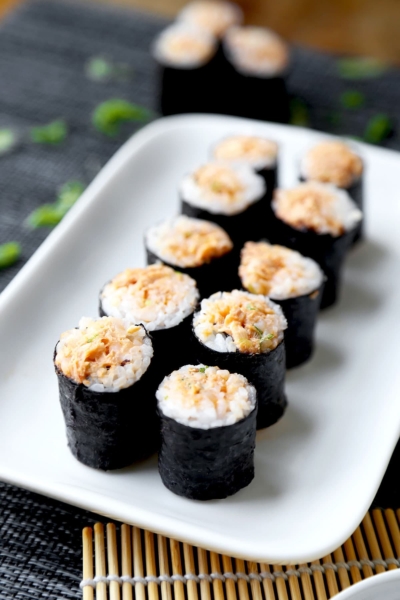
- Sushi and rolls: Classic combination because the flavors marry so beautifully! Nigiri sushi, inari sushi, maki roll, California roll, spicy tuna roll, and the list goes on.
- Fried dishes: I also enjoy having a small seaweed salad with a deep fried dish such as chicken katsu because it cuts through the heaviness of it.
- Noodle soups: Shoyu ramen, miso ramen, kake udon, champon, or chilled soba noodles.
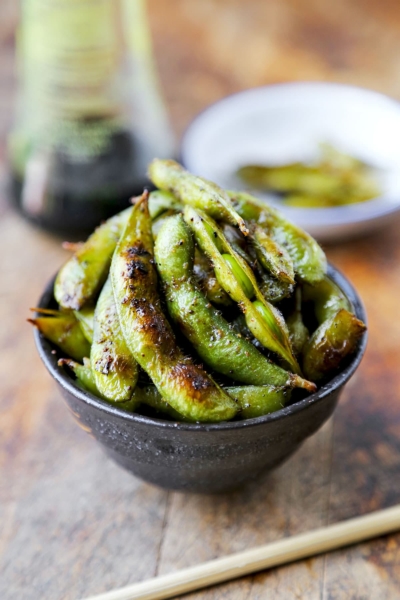
- Other sides: Other popular sides like nasu dengaku, edamame, onigiri, and miso soup.
Did you like this recipe? Are there changes you made that you would like to share? Share your tips and recommendations in the comments section below!
PrintSeaweed Salad (海藻サラダ)
This Japanese seaweed salad is tangy, savory, and refreshing, and makes a delicious side to other traditional Japanese dishes.
- Prep Time: 10 minutes
- Cook Time: 0 minutes
- Total Time: 10 minutes
- Yield: 2 sides 1x
- Category: Salads
- Method: Mixing Bowl
- Cuisine: Japanese
- Diet: Vegetarian
Ingredients
- 15g mix of different types of dried seaweed such as wakame, red and green tsunomata, mafunori, and agar (mixed dried seaweed bags are sold at Japanese supermarkets), or just wakame
- 1 teaspoon ground sesame seeds (optional)
Dressing
- 1/2 tablespoon toasted sesame oil
- 1 1/2 tablespoon soy sauce
- 2 tablespoons rice vinegar
- 1 teaspoon mirin
- 1 teaspoon sugar
- 1 tablespoon ginger, peeled and grated
Instructions
- Make the dressing: Whisk all the ingredients for the dressing in a bowl and set aside.
- Rehydrate the seaweed: Place the dried seaweed in a bowl of cold water and soak for 5-10 minutes (follow the instruction on the package).
- Rinse the seaweed: Drain and rinse well under cold water. Drain again and squeeze out excess water from the seaweed using your hands.
- Mix the salad: Place the seaweed in in a bowl and pour the dressing on top. Toss well and sprinkle ground sesame seeds on top. Serve on its own or topped with slices of fresh cucumber and tomato.
Notes
Seaweed salad tastes best when eaten fresh because seaweed gets slimy over time. Eat within 2 hours for the freshest taste and texture.
Nutrition
- Serving Size: 1 bowl
- Calories: 71
- Sugar: 3.9g
- Sodium: 407.3mg
- Fat: 4.3g
- Saturated Fat: 0.6g
- Unsaturated Fat: 1.8g
- Trans Fat: 0g
- Carbohydrates: 6.5g
- Fiber: 0.3g
- Protein: 1.5g
- Cholesterol: 0mg
Frequently Asked Questions
Yes, this salad is 100% vegan.
No, this salad isn’t gluten-free because the dressing is made with ingredients that contain gluten. However, it can easily be made gluten-free! Instead of regular soy sauce, use gluten-free soy sauce or tamari, and make sure that the mirin and rice vinegar used is also gluten-free (some of them are made in facilities where cross contamination may happen, so it’s always good to check the label or information about the brand).
Yes you can but keep in mind that the overall taste will not be exactly the same. Perilla seed oil and walnut oil can be used as substitutes, and make sure to use plenty of ground sesame seeds to increase the level of nuttiness!












I can’t wait to try it and to tell my son to make this a he and his girlfriend have decided to go vegan so this would be perfect to start off with, also, because we have Japanese heritage. I miss seeing my mom eating wakame seaweed with nori, rice, and hot water!
Any chance of learning the potassium content? On a low sodium/low potassium diet.
Hi Chris, it looks like the potassium content is 8%. I hope this helps!:)
Can you list the ingredients and proportions in the seaweed mix? I would rather make it myself with seaweeds I have at home. Thanks
There is a way to make the Amazon link use the Amazon store for the destination country. I don’t know how to do it, I am not a blogger but that serve your readers well and you still get benefit. The link for the salad mix went to the USA store. I am in Canada. I can see only products that ship to Canada. The link showed one item that was not available. On Amazon.ca, the only salad available is for aquarium fish. I have no access to Japanese or Asian markets. No Thrive store either. iHerb lists the salad but it is unavailable. All the remaining seaweed items seem to be snacks; I am not hopeful but I asked to be notified when the salad comes in.
Hi Paula! For Canada I would suggest looking for stores in Toronto, Montreal, or Vancouver that can ship to you. I just did some digging and found these: https://suzuya.ecwid.com/ and https://www.sayweee.com/en/groceries/ok/canadian/japanese I hope this helps!
This is a lovely recipe, and one I would definitely try. This particular combination sounds delicious. Thanks for sharing!