These Japanese ramen eggs are savory, salty, and creamy in the center. Known as ajitsuke tamago or ajitama in Japan, they are made with five ingredients and turn a simple bowl of noodles or rice into something much more luxurious. It’s one of Japan’s most popular toppings and only requires 5 ingredients to make.
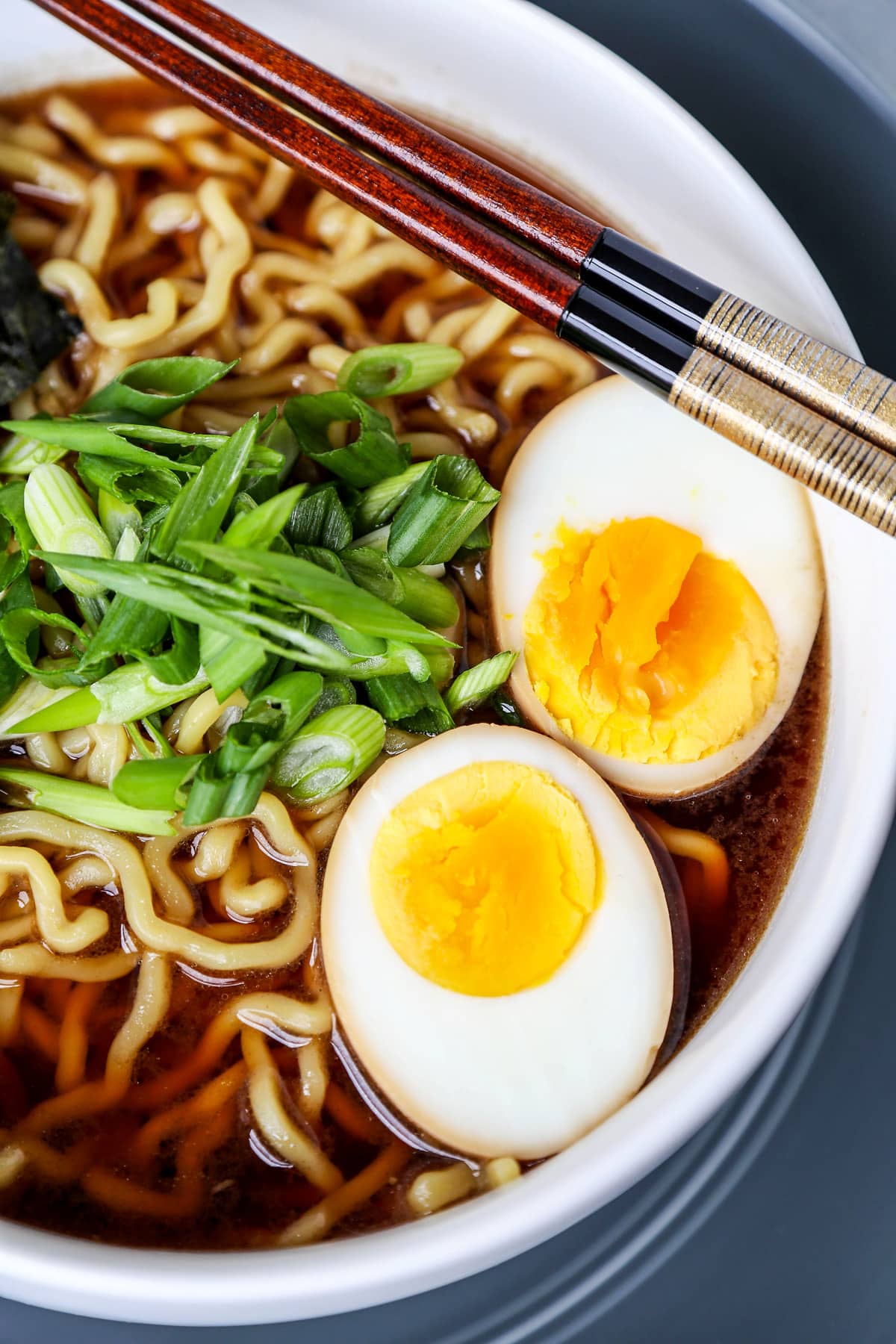
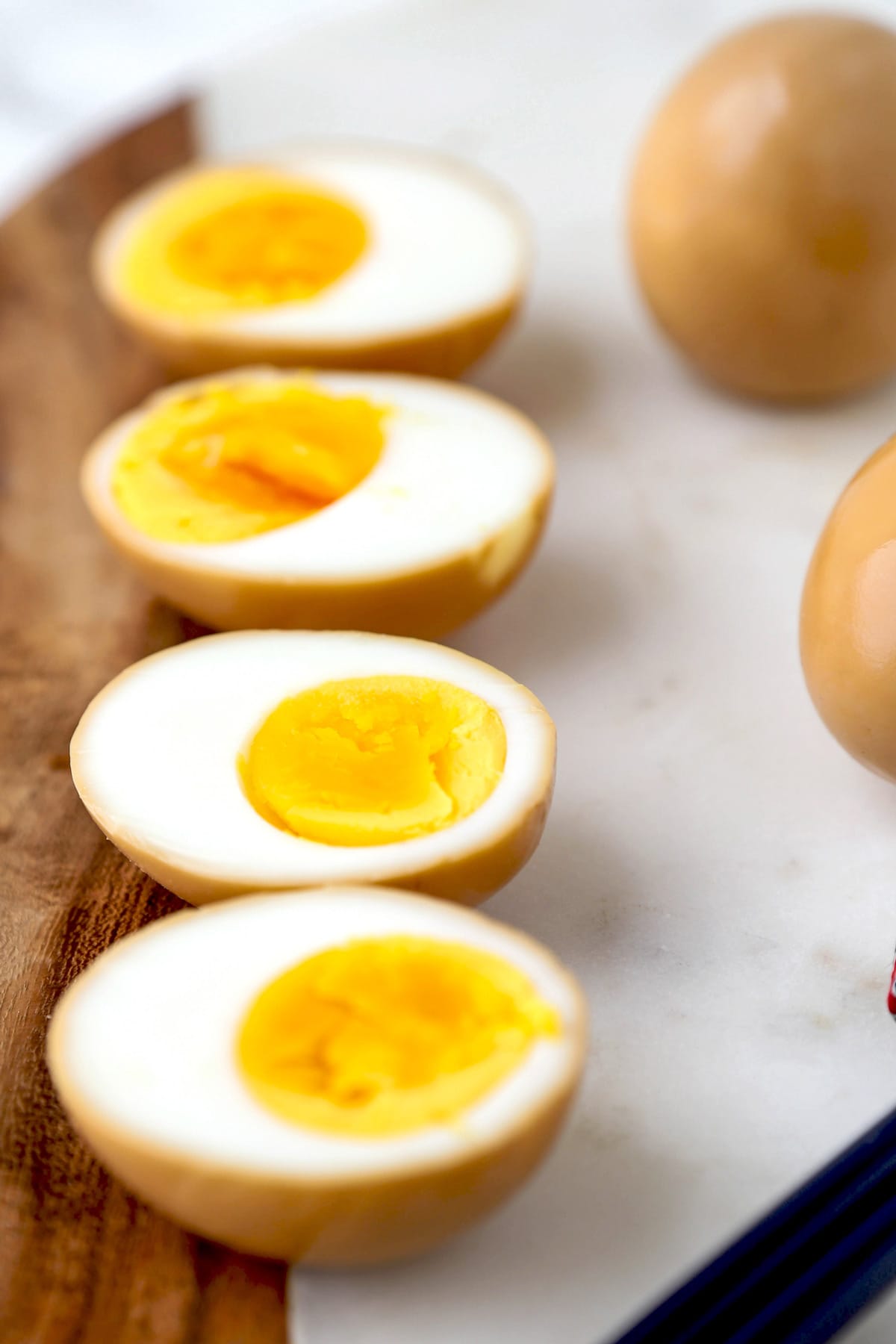
There’s something wonderfully dramatic about slicing into a ramen egg and finding a jammy golden yolk waiting inside. The whites are savory from a quick soy sauce marinade, while the center stays soft enough to melt into a hot bowl of noodles.
And you don’t need a complicated technique or a long list of ingredients to make them. A few minutes on the stove, an ice bath, and a simple marinade are all it takes to transform ordinary eggs into one of the best parts of the meal.
Table of contents
What is a Ramen Egg?
A ramen egg is a soft-boiled egg marinated in a savory soy sauce mixture. In Japanese, it is called ajitsuke tamago (味付け玉子), which means “seasoned egg,” or ajitama (味玉) for short. You may also see ramen eggs referred to as nitamago.
As the eggs marinate, the whites absorb the salty and lightly sweet flavor of the sauce and develop a brown exterior. The yolks remain rich and creamy, which makes them especially delicious in a hot bowl of ramen.
Although they are best known as a ramen topping, ajitama can also be served with rice, packed in a bento, or eaten on their own as a snack.
Ingredients for Japanese Ramen Eggs
- Eggs: You will need 4 to 6 fresh eggs, preferably pasture raised. I recommend pasture raised because they taste significantly better. Use large eggs straight from the refrigerator. Starting them in room-temperature water allows them to heat gradually and helps reduce the chance of cracking.
- Soy Sauce: Use a standard Japanese soy sauce, such as Kikkoman or Yamasa. It gives the marinade its salty, savory base, with a more complex taste than other types of soy sauce.
- Mirin: True mirin is a traditional sweet rice wine whose sweetness and alcohol develop naturally through fermentation. Many commercial mirin-style products, however, rely on added sweeteners such as corn syrup and contain little or no alcohol. While you can use mirin-style products, I highly recommend finding the real thing. You won’t believe the difference!
- Sake: Sake adds subtle sweetness and depth. An inexpensive cooking sake is all you need for this recipe.
- Ground Black Pepper: Totally optional but so good! If you love a little heat with your food, you will love the addition of ground black pepper here.
Ingredient Substitutions
For gluten-free ramen eggs, replace the soy sauce with tamari or liquid amino and check the labels on the mirin and cooking sake.
For less salt, use a reduced-sodium Japanese soy sauce. Keep in mind that the eggs will still need enough time in the marinade to develop flavor.
Tips to Make the Best Ramen Eggs
- Start with room-temperature water. Place the eggs in the pot before turning on the heat so they warm gradually and are less likely to crack.
- Lower the eggs into the water gently. Handle the eggs carefully to prevent them from hitting the bottom of the pot and cracking them.
- Use an ice bath immediately. This stops carryover cooking and helps preserve the texture of the yolks.
- Peel the eggs in the ice bath. Gently crack the shells, then peel the eggs submerged in the cold water. This helps loosen the shells and makes peeling easier.
How to Make Ramen Eggs
Scroll all the way down to the recipe card for the full recipe.
- Cook and cool the eggs. Cook the eggs to your preferred consistency, then transfer them to an ice bath and peel.
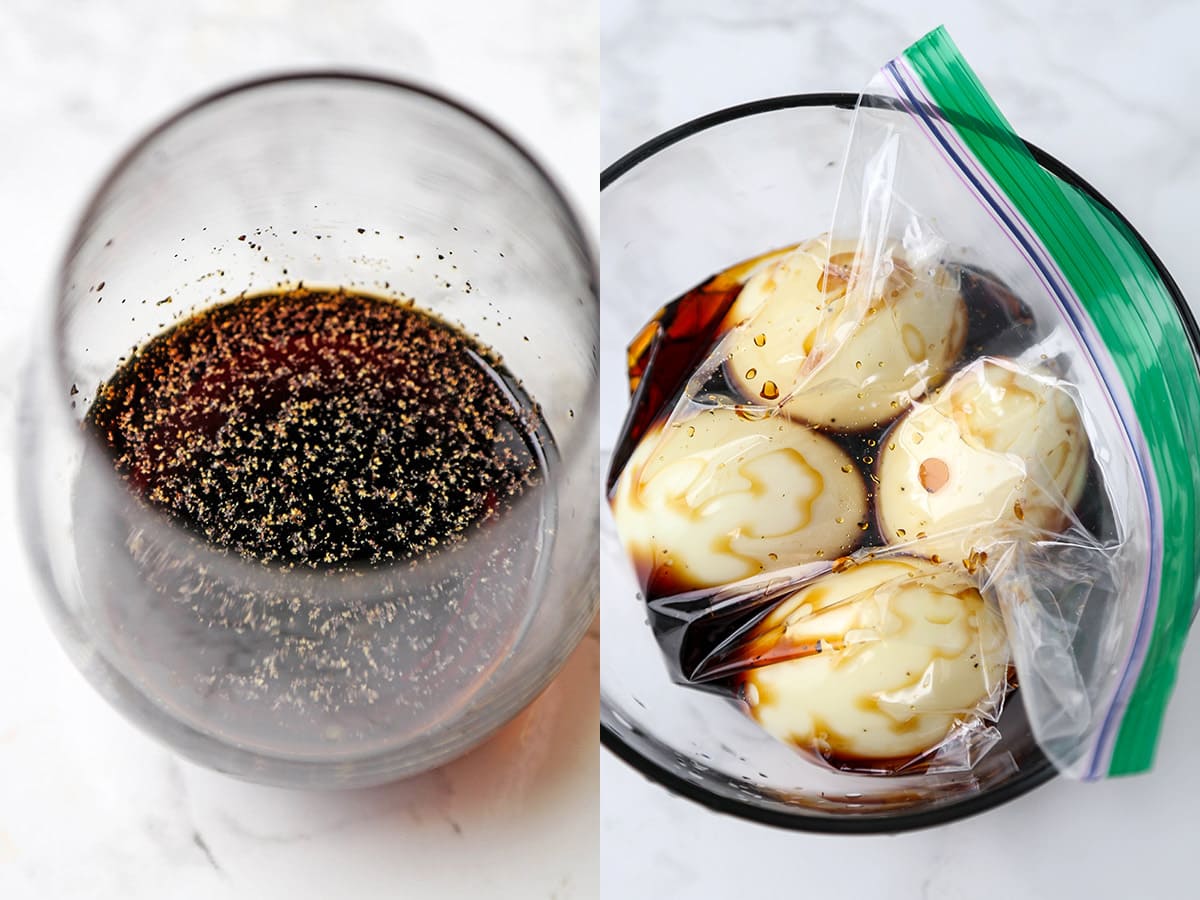
- Prepare the marinade. Mix the soy sauce, mirin, cooking sake, and black pepper.
- Marinate the eggs. Add the eggs to the marinade and refrigerate, turning them occasionally so they season evenly. Slice and serve with ramen, rice, or as a snack.
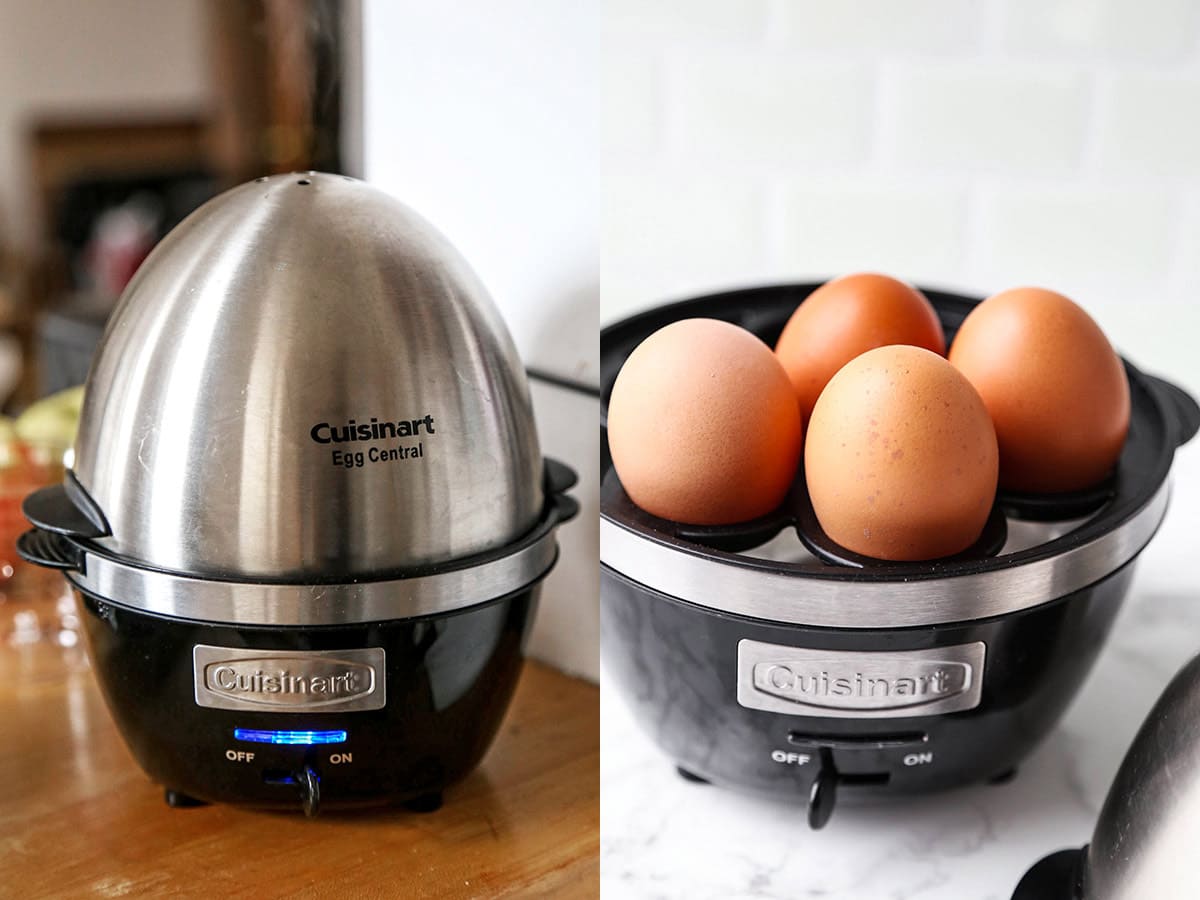
Using an Egg Cooker
I love using an egg cooker because it produces perfectly cooked eggs every time.
For those using an egg cooker: Use the designated measuring cup and add water to the medium marker, or just under it for a softer consistency. Place the eggs in the cooker, put the lid on, and start steaming.
Best Marinating Time for Ramen Eggs
- 2-4 hours – Light soy sauce flavor.
- 24 hours – Stronger taste, darker color.
I don’t recommend leaving the eggs in the marinade for longer than 24 hours. The whites can become overly salty and develop a firmer, slightly rubbery texture. Once the flavor is strong enough for you, remove the eggs from the marinade and store them separately.
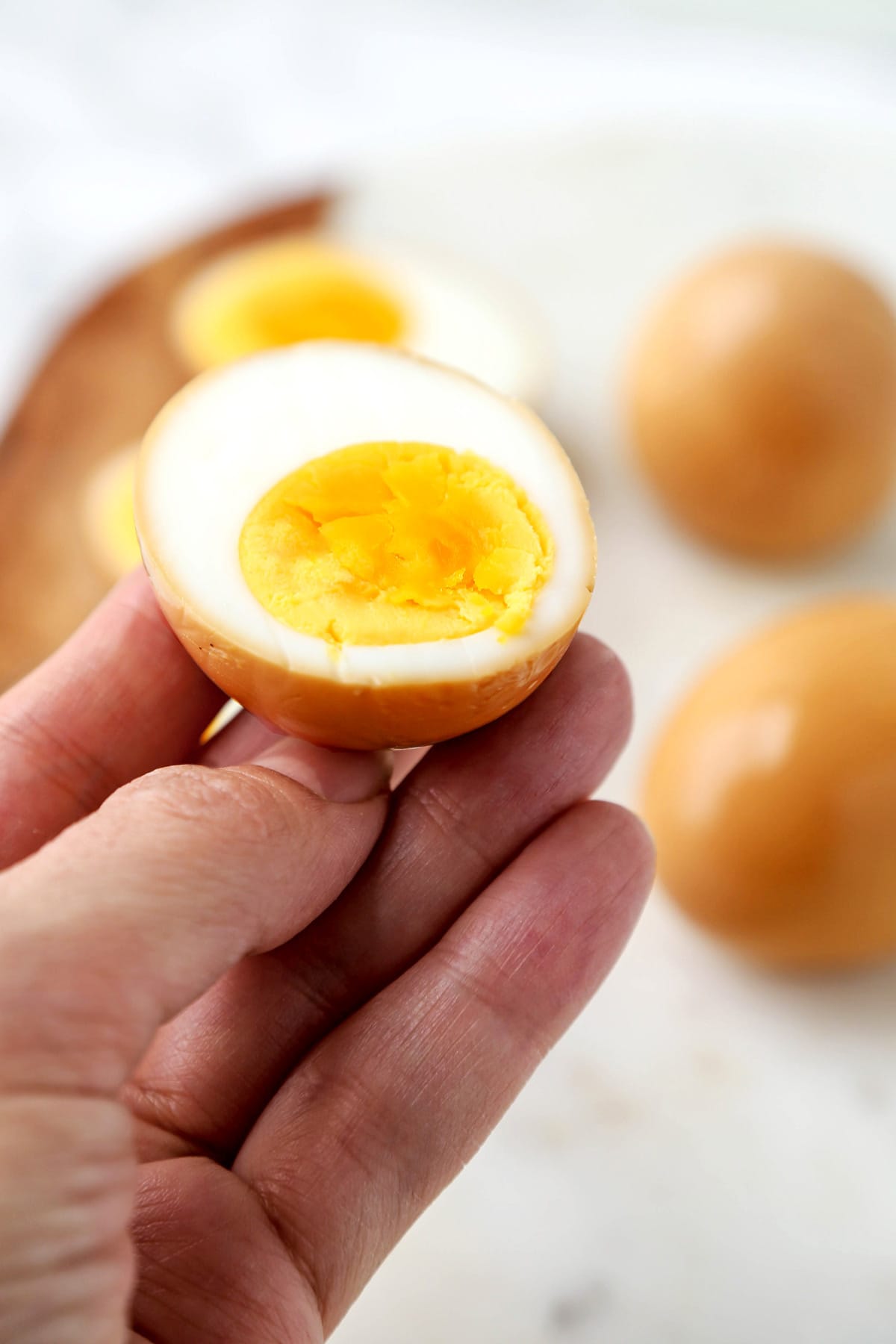
How to Serve Ramen Eggs
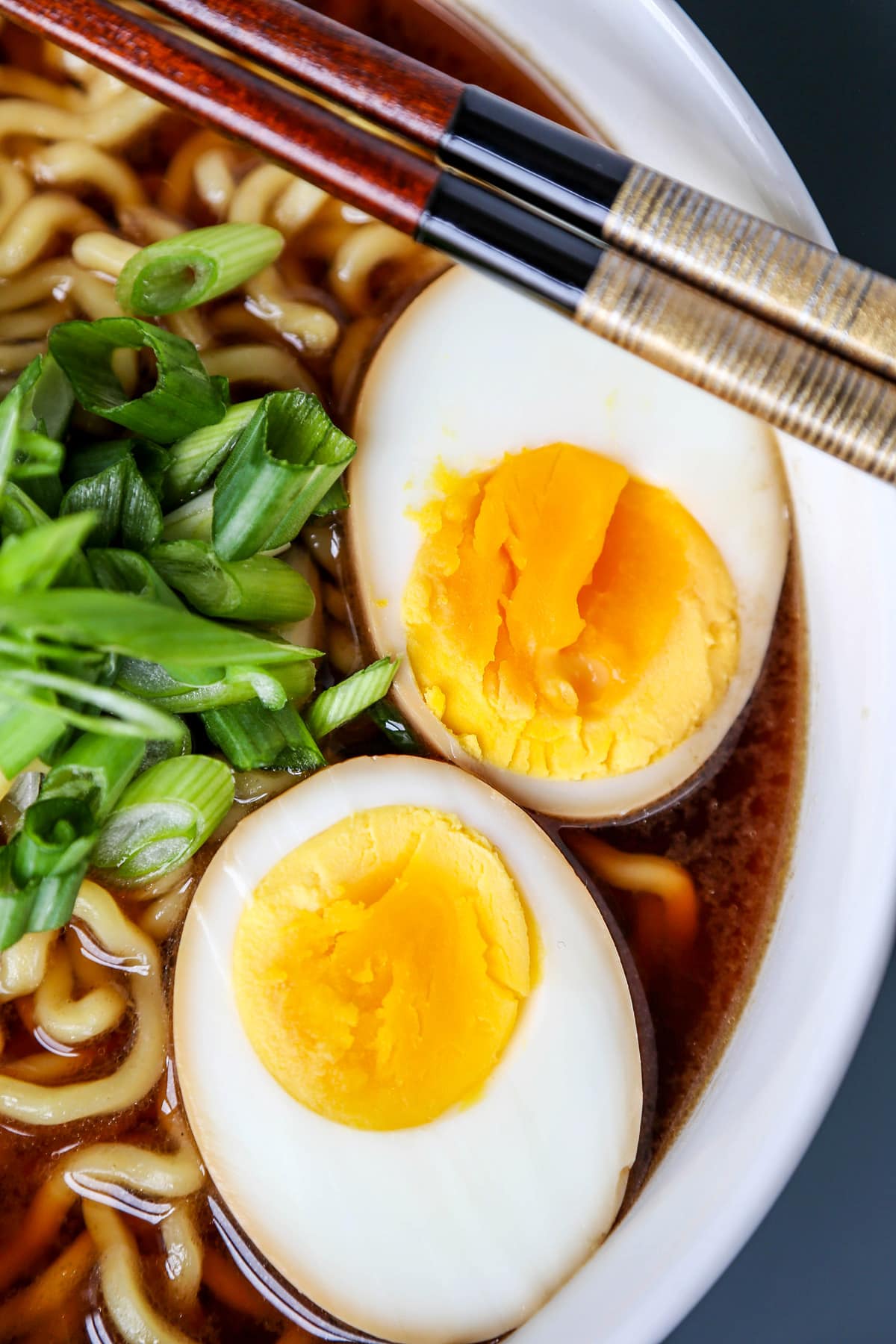
The classic way to serve ramen eggs is sliced in half and placed on top of a hot bowl of miso ramen, shoyu ramen, or shio ramen. For more ramen flavors, take a look at my collection of easy ramen recipe.
Other toppings such as chopped scallions, nori, menma, corn, and bean sprouts are also classic ramen toppings you can pair with ramen eggs.
They are also delicious served with plain steamed rice or Japanese fried rice. I sometimes add a little Japanese chili oil when I want a smoky, spicy element.
Storage
Remove the eggs from the marinade once they have reached your preferred flavor. Transfer them to an airtight container and refrigerate for up to three days from the day they were cooked. Ramen eggs do not freeze well because the whites develop a tough, watery texture after thawing.
Because ramen eggs have intentionally soft yolks, use pasteurized eggs or cook the yolks until firm when serving someone who needs to avoid undercooked eggs. The FDA’s egg-safety recommendations provide additional handling information.
Ramen Side Dishes:
- Nasu dengaku (Japanese broiled eggplant with sweet miso glaze)
- Kani salad (Japanese crab salad)
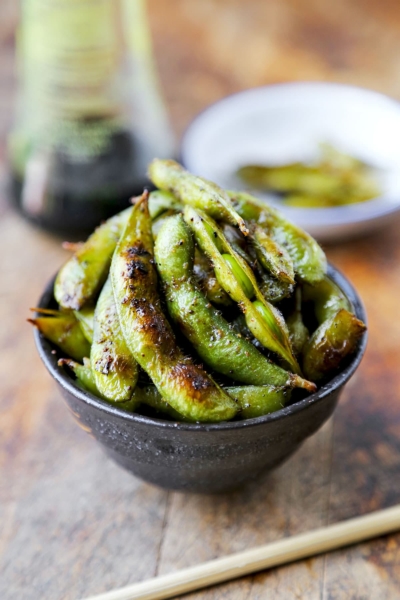
- Edamame with soy and sesame sauce
- Japanese fried rice (yakimeshi)
Did you like this recipe? Are there changes you made that you would like to share? Share your tips and recommendations in the comments section below!
PrintRamen Eggs (Ajitsuke Tamago)
These easy Japanese ramen eggs have creamy yolks and a savory soy-mirin flavor. Make them ahead and serve them with ramen, rice, or as a snack.
- Prep Time: 5 minutes
- Cook Time: 6 minutes
- Total Time: 11 minutes
- Yield: 4 to 6 eggs 1x
- Category: Side
- Method: Marinating
- Cuisine: Japanese
Ingredients
- 4–6 large eggs
Marinade:
- 3 tablespoons regular Japanese soy sauce
- 2 tablespoons mirin
- 1 tablespoon cooking sake
- Pinch ground black pepper, optional
Instructions
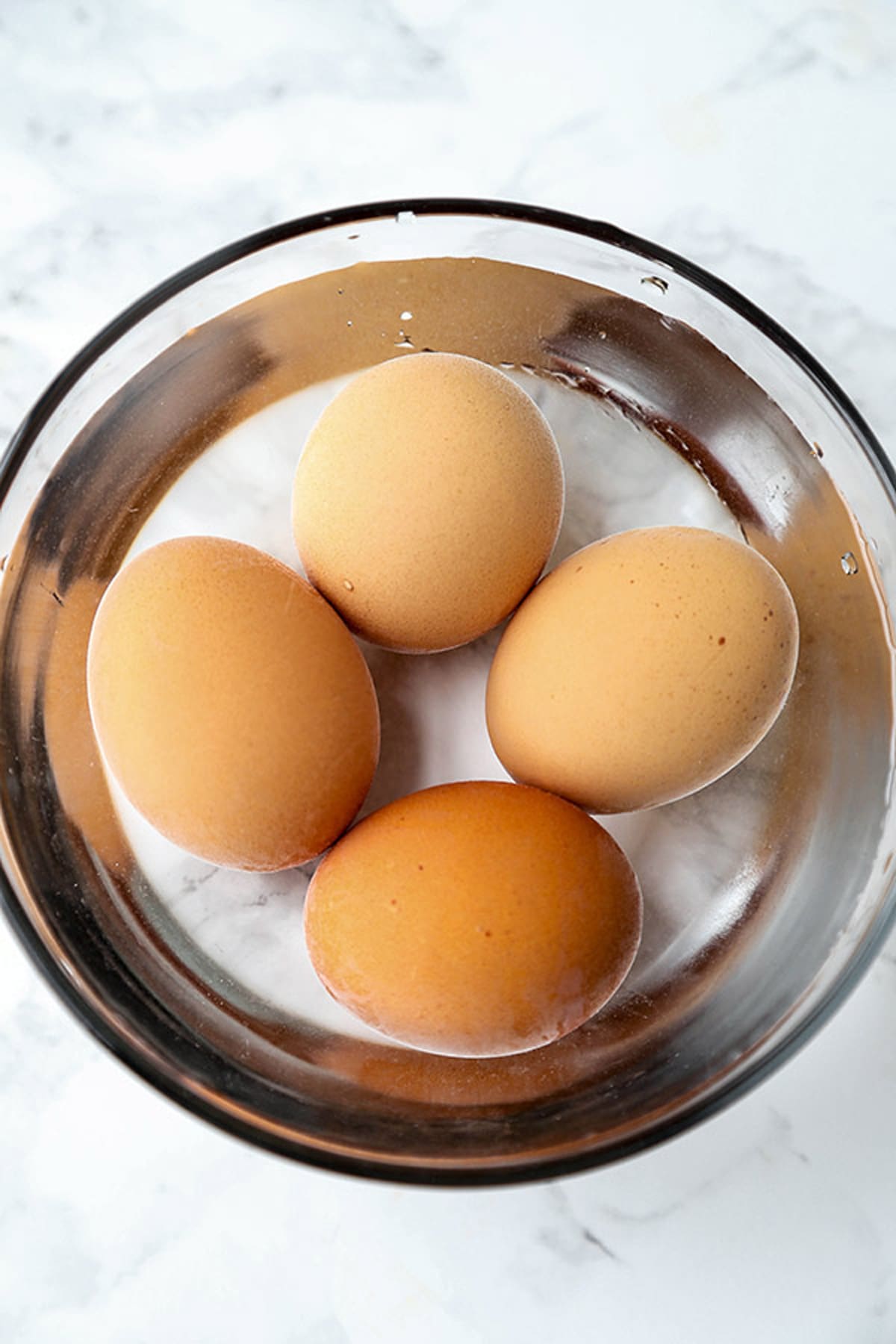
- Add the eggs to a pot filled with water. Fill a small pot with room temperature water and place it on a burner. Gently lower the eggs (to prevent them from cracking) and turn the heat on.
- Boil the eggs. Bring the water to a boil, lower the heat to a bubbling simmer and cook for 6 minutes for a runny center, or 7 minutes for a firmer, jam-like center.
- Make the marinade. While the eggs are boiling, whisk the ingredients for the marinade in a bowl and set aside.
- Cool the eggs in an ice bath. Once the eggs are cooked, submerge them in a bowl filled with ice and cold water. Let them cool for about 5 minutes. Keep the water for peeling the eggs!
- Peel the eggs. Crack the shells by gently tapping them on the counter and return the eggs to the ice bath. Peel them submerged in water. I find this method to be the easiest and most successful.
- Marinate. Place the eggs in a storage bag and add the marinade. Close the bag and put the bag on a plate or in a bowl, in case it leaks. Refrigerate and let the eggs marinate for 2-4 hours. Rotate the eggs every 30 minutes so they are evenly flavored. You can let them marinate for up to 24 hours for a stronger taste.
- Serve. Slice in half and serve with ramen or rice.
Using an Egg Cooker. If you are using an egg cooker, use the designated cup and add water to the medium marker, or just under it for a softer consistency. Put the lid on and start steaming.
Notes
Storage: Keep the ramen eggs refrigerated in an airtight storage container. They will keep for up to 1 week.
- The cooking time is based on large eggs used directly from the refrigerator.
- Set the bag inside a bowl or container in case it leaks.
- Do not leave the eggs in the marinade for longer than two days.
- Once cooked, refrigerate the drained eggs in an airtight container and use within three days.
Nutrition
- Serving Size: 1 egg
- Calories: 82
- Sugar: 0.3g
- Sodium: 250mg
- Fat: 4.8g
- Saturated Fat: 1.6g
- Unsaturated Fat: 1g
- Trans Fat: 0g
- Carbohydrates: 0.9g
- Fiber: 0g
- Protein: 6.3g
- Cholesterol: 186mg
Frequently Asked Questions
Two days but I don’t recommend going over 24 hours. Remember that the longer you let them marinate, the stronger the flavor.
Yes, you absolutely can. Save the marinade in an airtight container and refrigerate it until it’s time to make the eggs. It should last for up to 6 weeks in the fridge.
I don’t recommend saving used marinade as it takes on some of the sulfuric taste of the eggs, which ends up changing the overall flavor of the sauce.
White patches appear when part of the egg is not touching the marinade. Placing the sealed bag on its side helps the liquid cover a larger area.
Yes. Cook the eggs to your preferred hard-boiled consistency, cool and peel them in the ice bath, and then follow the same marinating instructions. The flavor will be similar, but the center will be firm rather than creamy.









The recipe for marinade has 5 stars from me! But unfortunately I have no egg cooker and followed the recipe for making soft eggs. Unfortunately in the end were not the consitency that was suitable for marinating. I had to boil eggs once again. I followed the method when you submerge eggs into cold water, smth like these: https://freefoodtips.com/how-to-make-soft-boiled-eggs-on-the-stove/
But eggs after that sauce were yummy! Easy recipe with so few ingredients!
These have become a huge hit with my son for his school lunch, so much so I am having to do six at a time lol.
One thing I am having trouble with and that is getting an even colour form the marinade, quite often I will have eggs that still have a white patch on them after soaking overnight. Any ideas?
Hi Alex, I’m so glad your son likes them! I would suggest soaking them a couple of hours early before bedtime so you can flip them over every 30 minutes or so to help the color even out. I usually do it in the afternoon and drain the liquid after 5-6 hours since I don’t like them too strong. Keeping an eye on them gives them a nice, uniform color 🙂
Hi! How did you calculate the nutrition value of these ramen eggs? 🙂