Learn how to make two delicious matcha drinks at home in 5 just minutes! A creamy iced matcha latte with milk and sugar, and a lighter plain iced matcha made with water. Both are cold, refreshing, earthy, and easy to customize.
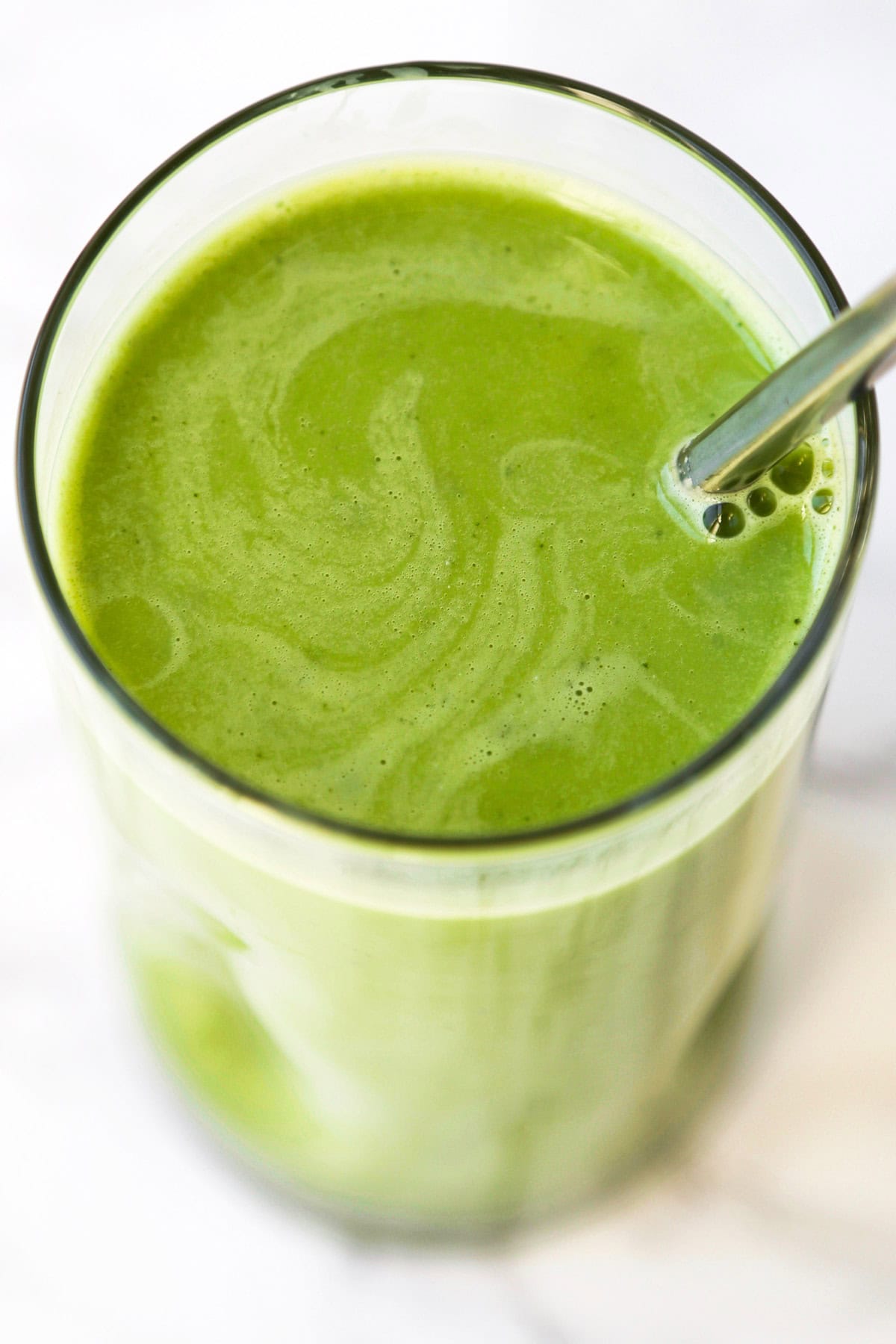
I love a good iced matcha latte from a coffee shop because it feels like a small treat: it’s energizing and tastes like a dessert, without being too heavy. But the price always makes me pause — especially when it’s so quick and easy to make at home, and costs so much less.
This post includes two simple options. The first is an iced matcha latte, made with matcha powder, milk, sugar, and ice. The second is plain iced matcha, which is lighter, cleaner, and more refreshing.
Why This Recipe Works
- It’s very easy and fast to make
- Only 3 easy-to-find ingredients are needed
- It’s customizable. You can make it sweet or not, vegan or not, and you can dress it up or down with other added flavors.
Table of contents
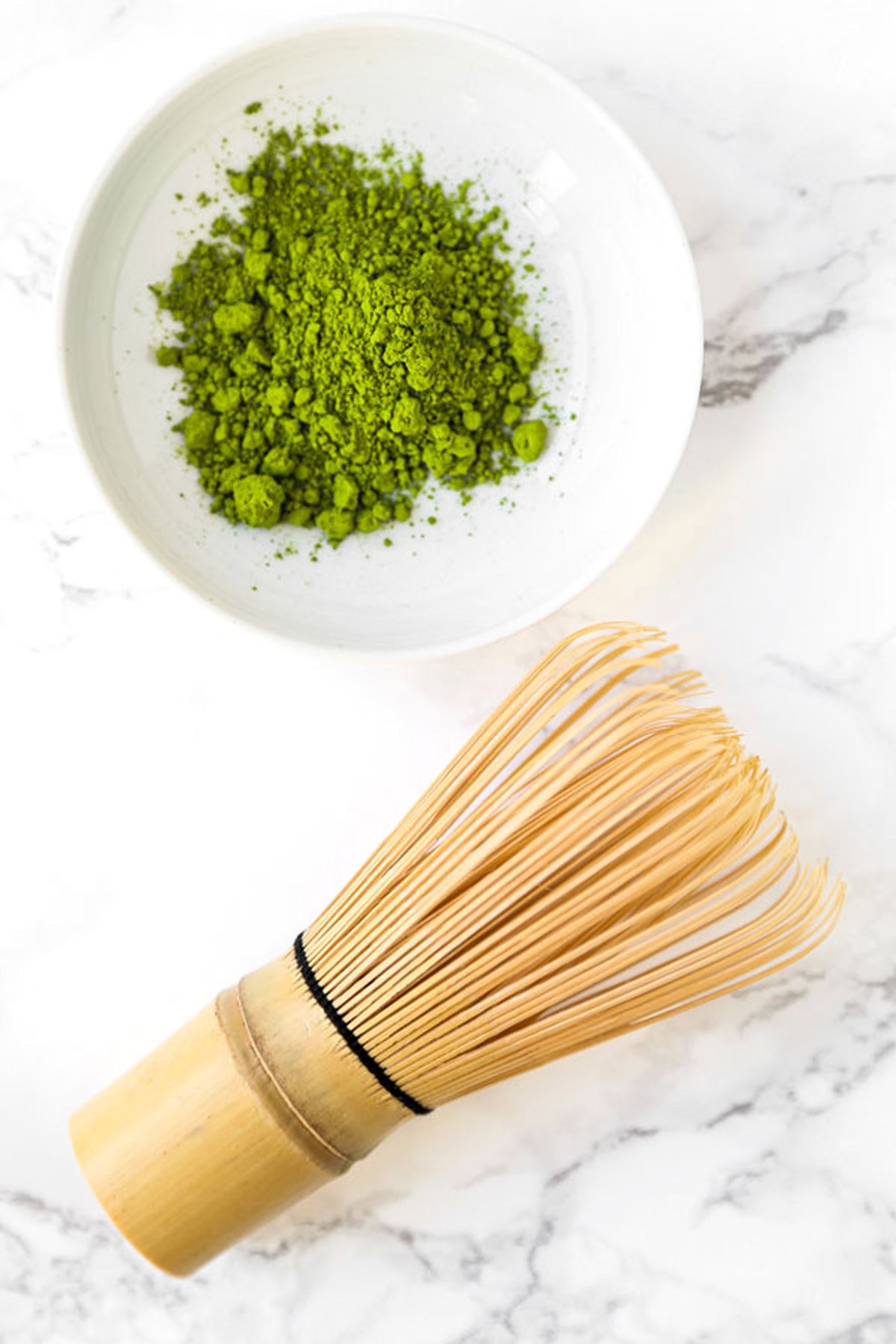
What is Matcha?
Matcha (抹茶) is a fine powder made from shade-grown tea leaves. It has a grassy, slightly bitter, and mildly sweet taste.
What sets matcha powder apart from other traditional green teas is that it’s normally comprised of only the best quality tea leaves. And, unlike regular green tea, where the leaves are steeped and then removed, matcha is whisked directly into water or milk. This gives it a stronger flavor, a brighter green color, and a fuller texture.
Types of Matcha
- Ceremonial grade: This is the best and most expensive of the three grades of matcha because it uses the youngest spring-harvested leaves, which are the most tender and green. The stems and veins are also carefully removed before being stone ground. The powder is a bright, vibrant green and has the most complex flavor palate.
- Premium grade: This grade comprises of leaves that are a bit older, picked from the first and second harvest. Premium grade matcha is what’s mostly used in coffee shops and tea shops. A good premium matcha can taste almost as good as ceremonial grade matcha.
- Culinary grade: Culinary grade matcha is better for baking and desserts, such as matcha roll cake or matcha ice cream. It has a strong and bitter taste that can be overwhelming when used in drinks, so it’s rarely used for that purpose.
Which Matcha to Use for This Recipe
For drinking, I recommend using ceremonial grade or premium grade matcha. These types are usually smoother, brighter in color, and less bitter than culinary grade matcha.
When buying matcha, look for a powder that is bright green and smells fresh. If it’s in a sealed silver bag, look at where it’s made (it should only be from one place. Famous areas such as Yame and Uji are a good sign) and if it’s slow stone ground (uji-midori in Japanese). A dull or yellowish green color can be a sign that the matcha is older or lower quality.
Iced Matcha Latte Ingredients
- Matcha powder: As previously mentioned, use either ceremonial grade matcha or a good premium grade matcha.
- Sugar: A little sugar to add sweetness. You can use more or less depending on how sweet you like your latte. Or, you can swap it for honey or pure maple syrup for an added floral element.
- Milk: The type of milk or plant based milk used is up to you. I personally prefer using soy milk or oat milk over regular milk or cream, for a lighter and more refreshing taste.
- Ice: Ice cubes are optional but recommend to keep your drink as cold and cooling as possible.
Variations
- Vanilla matcha latte: Add a splash of vanilla extract or use vanilla syrup instead of sugar.
- Chocolate matcha latte: Add 1 teaspoon (or more) of chocolate syrup.
- Caramel matcha latte: Add 1 teaspoon (or more) or caramel syrup.
- Stronger matcha latte: Use 1 ½ teaspoons of matcha powder instead of 1 teaspoon.
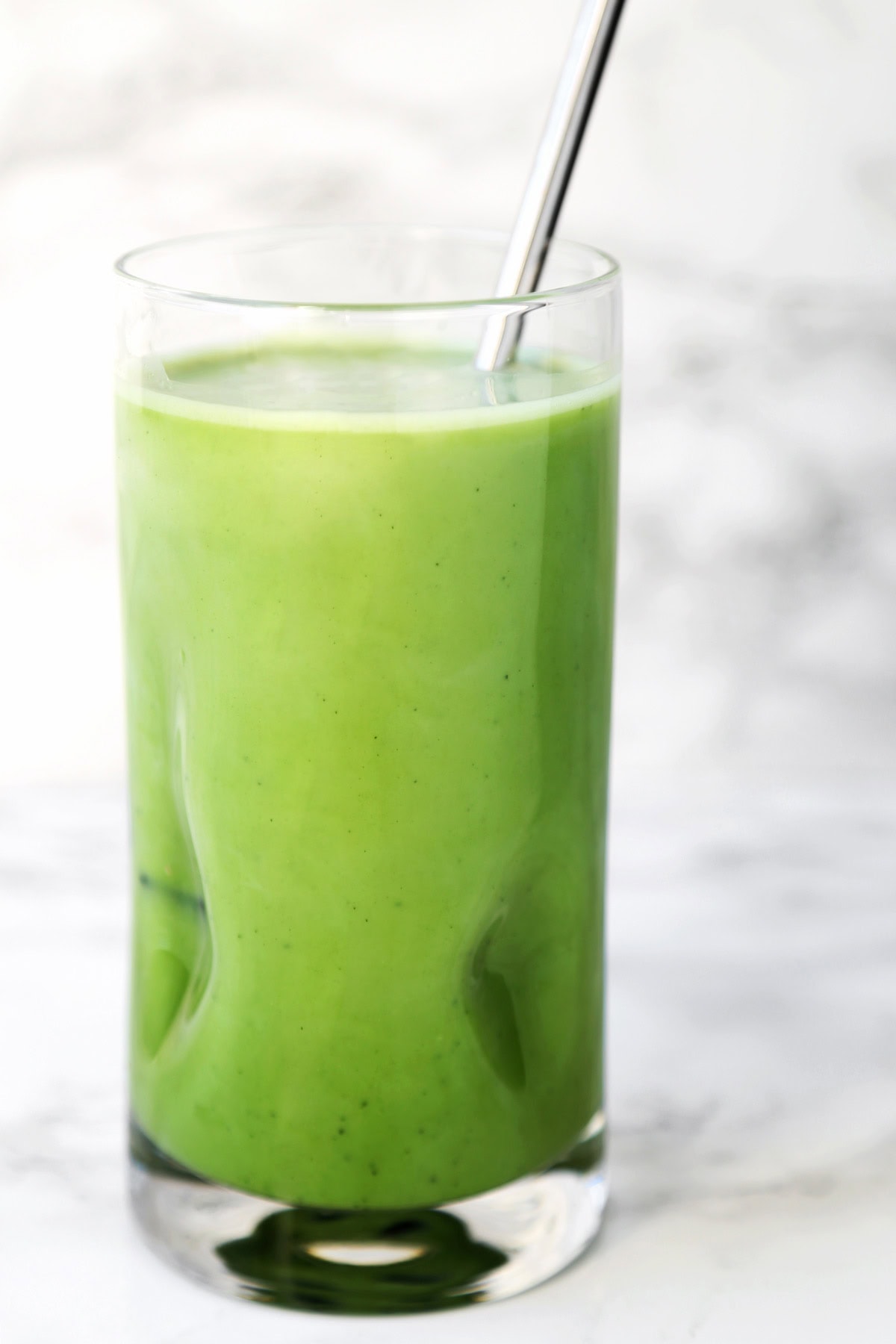
How to Make an Iced Matcha Latte
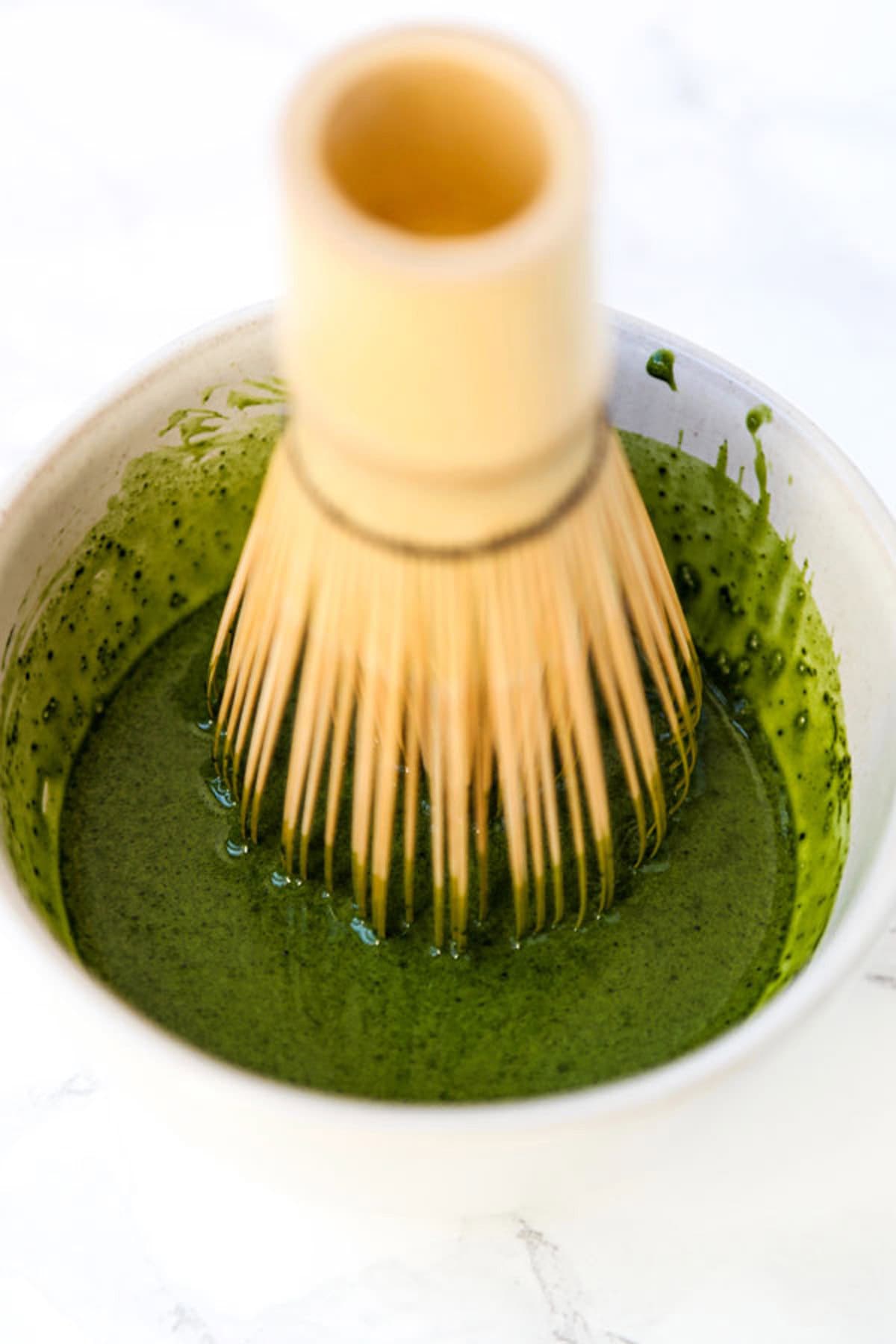
Start by adding the matcha powder and sugar to a small bowl. Add 1-2 tablespoons of warm water and whisk until the matcha and sugar dissolve. This creates a smooth green paste and helps prevent clumps. From there whisk in about a quarter of the milk.
Pour the mixture into a glass and stir in the remaining milk or plant based milk. Add ice cubes and enjoy!
How to Make Plain Iced Matcha
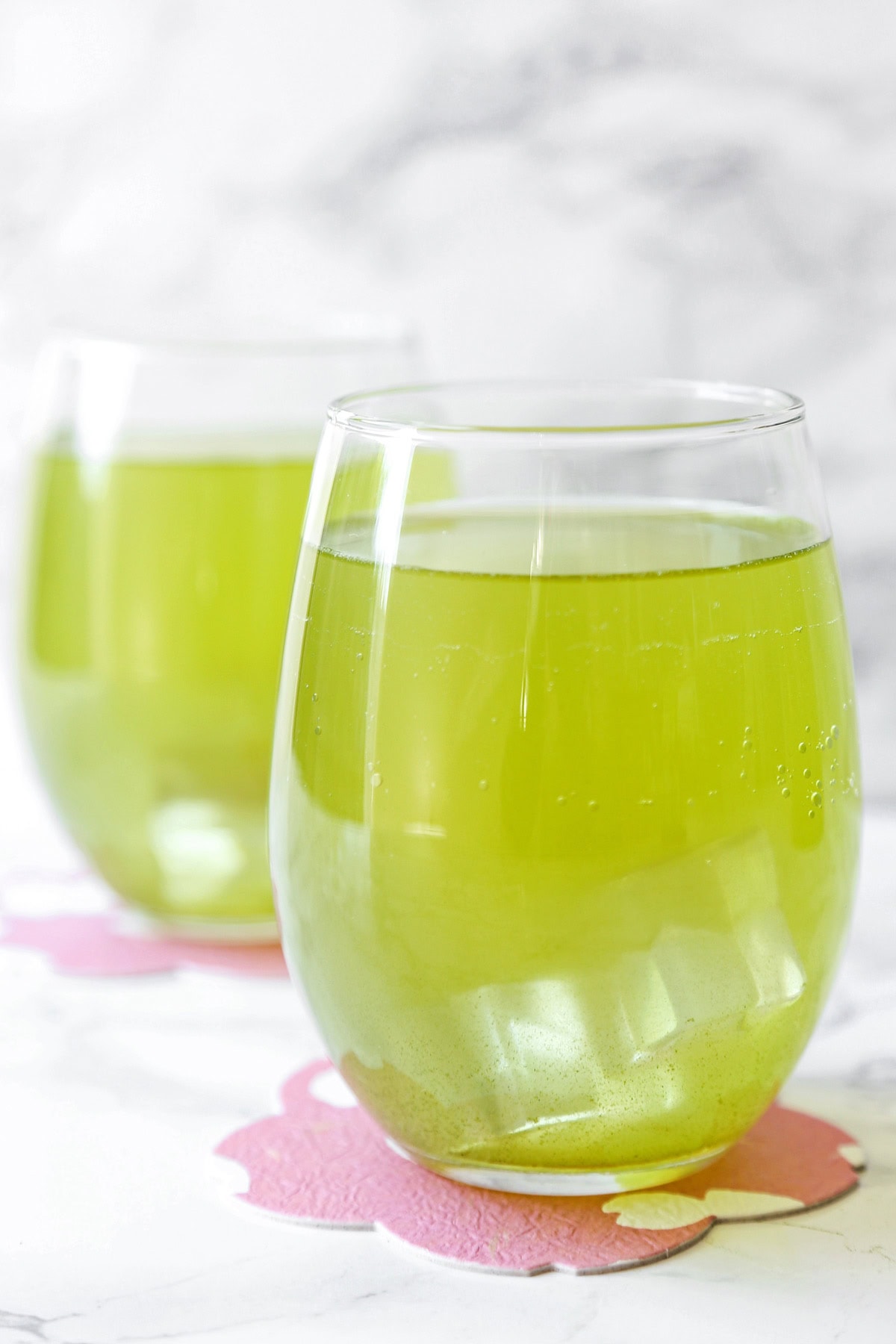
Whisk 1 teaspoon of matcha powder with 1-2 tablespoons warm water. Keep whisking until a smooth paste forms and slowly add some cold water to it. Pour the mixture into a glass and add a few ice cubes.
Plain iced matcha is clean, grassy, refreshing, and less creamy than the latte. I like it on hot days or when I want something energizing but not sweet.
Serve both drinks right away. Matcha settles as it sits, and the ice will eventually water down the drink. If that happens, just give it a quick stir before drinking.
How to Get Rid of Clumps
- Use a matcha whisk (called chasen). Start by whisking the matcha powder with a small amount of liquid to create a smooth paste, and add more water or milk as you keep on whisking.
- Sift the matcha powder if it looks clumpy. Before adding the matcha powder to your cup or glass, sift it through a small strainer. This can help prevent clumps from forming as you add liquid.
What to Serve with Matcha Latte
I like serving this iced matcha latte with a sweet treat such as mitarashi dango, matcha mochi cookies, or taiyaki.
It also works surprisingly well with savory Japanese recipes such as onigiri, inari sushi, and Japanese egg salad sandwich.
Did you like this recipe? Are there changes you made that you would like to share? Share your tips and recommendations in the comments section below!
PrintIced Matcha Latte + Plain Iced Matcha
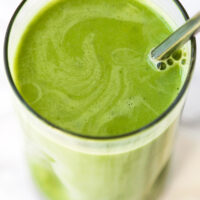
Make this creamy Iced Matcha Latte at home with just 3 ingredients! Plus, instructions on how to make unsweetened matcha iced tea.
- Prep Time: 5 minutes
- Total Time: 5 minutes
- Yield: 1 matcha latte 1x
- Category: Drink
- Method: Whisked
- Cuisine: Japanese
Ingredients
Iced matcha latte
- 1 teaspoon ceremonial grade or premium grade matcha powder
- 2 teaspoons granulated sugar
- 1 cup milk or plant based milk such as unsweetened oat milk or soy milk
Plain iced matcha
- 1 teaspoon ceremonial grade or premium grade matcha powder
- 1 cup water
Instructions
Iced matcha latte
- In a bowl, add the matcha powder, sugar, and a little bit of warm water. Use a matcha whisk to whisk the the ingredients until a paste forms. Slowly add about 1/4 cup of milk and whisk.
- Transfer the mixture into a glass and add the remaining milk.
- Mix well, add some ice cubes and enjoy!
Plain iced matcha
- Mix matcha powder with a little warm water and whisk – using a matcha whisk – until a smooth paste forms.
- Slowly add 1/4 cup water and keep whisking.
- Pour the mixture into a glass and add the remaining the water. Mix well, add ice cubes, and serve immediately.
Notes
These drinks are best served right away. Matcha naturally settles as it sits, so stir before drinking if needed.
Nutrition
- Serving Size: 1 cup
- Calories: 77
- Sugar: 8.4g
- Sodium: 186mg
- Fat: 2.9g
- Saturated Fat: 0g
- Unsaturated Fat: 0.6g
- Trans Fat: 0g
- Carbohydrates: 9.9g
- Fiber: 1g
- Protein: 1.5g
- Cholesterol: 0mg
Frequently Asked Questions
Matcha can taste bitter if the powder is low quality, if too much is used, or if it isn’t balanced with enough milk or sweetener. For a smoother flavor, use ceremonial or premium grade matcha and start with 1 teaspoon per drink. If it still tastes too strong, add more milk or a little more sugar.
Yes. A handheld milk frother works really well for iced matcha drinks. Add the matcha powder and a small amount of milk or water to a cup, froth until smooth, then add the rest of the liquid and ice.
Yes, but it’s easier to dissolve matcha powder in a small amount of warm water first. If you want to use cold water only, sift the matcha powder first and whisk it very well, or use a handheld frother to break up the clumps.
The amount of caffeine depends on the matcha powder, but 1 teaspoon of matcha usually has less caffeine than a cup of coffee. It still gives a nice energy boost, but it tends to feel gentler and less jittery for many people.